Tuesday, June 30, 2026

Top 150 Olympic Athletes: #137 - Mitsuo Tsukahara


Mitsuo Tsukahara

Japan

Artistic Gymnastics


Overall Ranks

#25 among Gymnasts

#15 among Male Gymnasts

#8 among Japanese Olympians

#7 among Japanese Gymnasts


Olympic Results

1968

Team - Gold

1972

Team - Gold

Horizontal Bar - Gold

Rings - Bronze

1976

Individual All-Around - Bronze

Team - Gold

Vault - Silver

Parallel Bars - Bronze

Horizontal Bar - Gold

Total

Events - 24

Gold - 5

Silver - 1

Bronze - 3


Mitsuo Tsukahara was born on December 22, 1947 in Tokyo, Japan. He didn't begin training in gymnastics until he was 13 years, old, which is considered old in gymnastics, but he picked it up quick, and by the time he was 21, he made the Japanese national team, which was no small feat, as they had won the past 2 Olympic Team gold medals.

The Japanese team was again victorious in 1968, winning their third consecutive gold medal in the team event. It was the only medal Tsukahara would earn in Mexico City, but he came close in two individual events, coming in 4th in the Floor Exercise, behind 3 of his teammates, and also coming in 4th in the Rings.

During the 1970 World Championships, he became a gymnastics legend when he invented his own move on the vault, which is now named the Tsukahara after him. He entered the vault with a backward somersault with a half twist, then did a 1.5 twist on dismount. The move is still used today.

He made a bigger impact at the 1972 Olympics, first earning another gold medal in the team event, the 4th straight for Japan, then earning his first individual medal with a bronze in the rings. His biggest accomplishment came in the Horizontal Bar, where he had the highest score in both the qualifying and the final round, dismounting with a double somersault with a full twist to earn the gold medal, with 4 teammates coming in right behind him.

He was one of the biggest stars at the 1976 Olympics, leading the Japanese team to a 5th straight gold medal in the team event, and taking the bronze medal in the Individual All-Around, his best finish in that event. He successfully defended his gold medal in the horizontal bar, and also earned a silver in the vault and a bronze in the parallel bars. That gave him 5 total medals in Montreal, and 9 for his Olympic career.

Tsukahara married fellow Japanese gymnast Chieko Oda, and they had a son named Naoya, who was born in 1977. Naoya followed his parents into gymnastics, also representing Japan in 3 Olympics, and he also won a team gold medal in 2004 in Athens. Tsukahara won 5 gold medals in his 3 Olympic appearances, but only 2 came in individual events, which puts him a bit behind several of his teammates, but still makes him one of the greatest Olympians of all time.


Monday, June 29, 2026

Top 150 Olympic Athletes: #138 - Georg Fleischhauer


Georg Fleischhauer

Germany

Bobsled


Overall Rankings

#5 among German Olympians

#2 among Bobsledders


Olympic Results

2026

Two Man - Gold

Four Man - Gold

Totals

Events - 2

Gold - 2


Georg Fleischhauer was born on October 21, 1988 in Halberstadt, East Germany, a few years before Germany was reunified. He began his athletic career as a hurdler, and won the German championship twice, but never qualified for the Olympics.

He switched his focus to bobsled in the early 2020s, and won his first world championship in the two-man sled in 2023. He was chosen for the German Olympic team in 2026, competing as a brakeman in both the two-man and four-man events. He was paired with experienced pilot Johannes Lochner in the 2-man, and the pair was the fastest in all four runs, and was the only team to break 55 seconds in a run, which they did 3 times. Overall, they won by 1.34 seconds, the largest margin in that event since 1980.

In the 4-man event, the winning pair added Thorsten Margis and Jorn Wenzel, and had an easy time, winning the competition by just over half a second over another German foursome, posting the fastest time in 3 of their 4 runs, coming in #2 in their second run by .01 of a second. Their margin of victory was the largest since 1998.

Since Fleischhauer was the newcomer on both sleds, his presence has to be viewed as a large part of the reason that they were so dominant in both events, and therefore he has already established himself as one of the greatest Olympians of all time.


Sunday, June 28, 2026

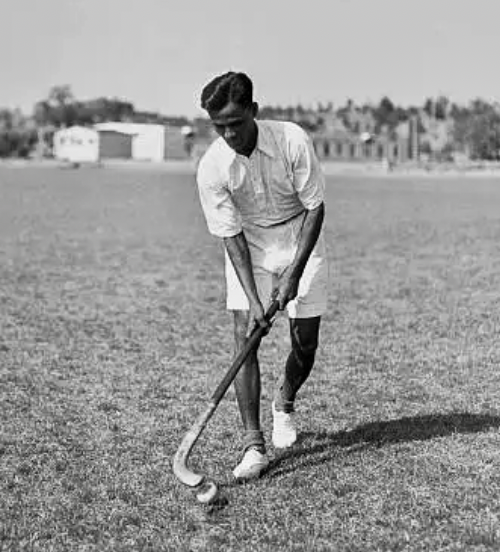
Top 150 Olympic Athletes: #139 - Dhyan Chand


Dhyan Chand

India

Field Hockey


Overall Ranks

#1 among Indian Olympians

#1 among Field Hockey players


Olympic Results

1928

Men - Gold

1932

Men - Gold

1936

Men - Gold

Total

Events - 3

Gold - 3


Dhyan Chand was born Dhyan Singh Bais in Allahabad, Indian on August 29, 1905. His father played field hockey in the British Indian army, and when Dhyan turned 17, he joined the Army as well and played field hockey for them.

Field hockey was popular in India, but they had never fielded an Olympic team before 1928, when they decided to put together the best players from 5 different teams around the country to travel to Amsterdam, and Chand was given permission by the Army to join one of those teams in order to try out. He scored a goal within 3 minutes of the first game of the national tournament, and it quickly became apparent that he would make the team.

He made his Olympic debut against Austria, scoring 4 goals in a 6-0 victory, then repeated the feat in other group games against Denmark and Switzerland, and India advanced to the championship game undefeated and unscored upon. They defeated the home Dutch team 3-0 in the gold medal game, with Chand scoring 2 more times, giving him a total of 15 goals in 5 games.

India returned to defend its title in the 1932 Olympics, but due to the Great Depression, only 3 countries were able to send teams. India beat Japan 11-1, then the host USA 24-1, to win another easy gold medal. Chand scored 12 goals between the 2 games, and his younger brother Roop scored 13.

The Indian team was just as dominant in 1936, not allowing a goal in group play, which put them in the semifinals. There they beat the French team 10-0, with Chand scoring 4 of those goals, then beat the host Germans 8-1, with another 3 goals from Chand. He scored 15 goals in the 5 games that year, giving him a total of 40 goals across 12 Olympic matches.

World War II cancelled the next 2 Olympic Games, and when they returned in 1948, Chand was offered a spot on the Indian team once again, which he declined. He appeared in the Olympics 3 times, and all 3 times led all players in goals, winning gold medals each time, and has scored more Olympic goals than any other player in history, making him the greatest Olympic field hockey player of all time, and one of the greatest Olympians.


Saturday, June 27, 2026

Top 150 Olympic Atheletes: #140 - Davit Chakvetadze


Davit Chakvetadze

Russia

Wrestling


Overall Rankings

#6 among Russian Olympians

#4 among Wrestlers

#3 among Russian Wrestlers


Olympic Results

2016

Greco-Roman Light-Heavyweight - Gold

Total

Events - 1

Gold - 1


Davit Gochaevich Chakvetadze was born on October 18, 1992 in Kutaisi, Georgia (the country, not the state), and while he learned to wrestle in his home country, he moved to Russia in 2013 due to the stronger Greco-Roman wrestling program.

In 2015, he took first place at the European Championships, and second place in the World Championships, in addition to winning the Russian National Championship, thus earning himself a spot on the Russian Olympic team for 2016.

Competing in the Light-Heavyweight class, he entered the Olympics ranked #3 in the world in his weight class, but didn't receive a first-round bye, as these were decided randomly. After winning his first match 3-0, he achieved a pin in the second round, the only one in the entire tournament for his weight class.

He then shut out his third opponent as well, before winning his semifinal match 7-1 to move on to the final against Zhan Beleniuk of Ukraine, who was the defending world champion and was ranked #1 in the world. Beleniuk took a 2-0 lead in the first period, but Chakvetadze shut him out in the second period, scoring 9 consecutive points to win the gold medal.

He suffered through multiple injuries in the years after winning his gold medal, but still attempted to compete again in 2021, but he did not qualify after losing in the European championships. Though he only competed in one Olympic event, he was completely dominant throughout, only trailing in the final match, which he ended up winning decisively, and that makes him one of the greatest Olympians of all time.


Friday, June 26, 2026

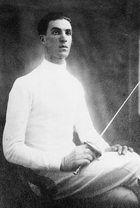
Top 150 Olympic Athletes: #141 - Giulio Gaudini


Giulio Gaudini

Italy

Fencing


Overall Rankings

#9 among Fencers

#8 among Italian Olympians

#8 among Male Fencers

#4 among Italians Fencers

#3 among Male Italian Fencers


Olympic Results

1928

Individual Foil - Bronze

Team Foil - Gold

1932

Individual Foil - Bronze

Team Foil - Silver

Individual Sabre - Silver

Team Sabre - Silver

1936

Individual Foil - Gold

Team Foil - Gold

Team Sabre - Silver

Total

Events - 11

Gold - 3

Silver - 4

Bronze - 2


Giulio Gaudini was born on September 28, 1904 in Rome, Italy. He began fencing at a young age, and immediately showed promise, so much so that he made Italy's very competitive Olympic fencing team when he was just 19 years old.

In his first Olympics, he was only entered in the team foil event. The team made it through pool play and the quarterfinals with no issue, reaching the final group of 4, but in their first match, against France, they disagreed with the final point that was awarded to the French and left the competition in protest, which gave the team a 4th place finish by default.

By 1928, he was one of the stars of the Italian team, and there would be no repeat of their 1924 result, as they won every match en route to a dominant gold medal. He then competed in the individual foil event for the first time, and advanced easily into the final group of 12, where he finished with a 9-2 record, which put him in a 3-way tie for first. The tie was broken by scoring margin, which earned Gaudini the bronze medal.

In 1932, he returned to compete in the foil events, but added the sabre events as well. The Italian team was favored to repeat their title in the team foil event, but after a 3-way tie in the final pool, Italy was awarded the silver medal based on having fewer overall touches than France. In the individual foil, he repeated his bronze medal performance from 4 years earlier.

Hungary was the defending champion in the team sabre and was the heavy favorite, and they did not disappoint, wiping out every opponent in the tournament. Gaudini and the Italians won silver, easily defeating Poland and the USA in the final pool, but falling 9-2 against Hungary. Hungary was expected to take all 3 individual sabre medals, but Gaudini surprised everyone by taking the silver after losing only 2 matches in the final pool, leaving him with 3 silvers and a bronze in 1932.

Gaudini qualified for the same 4 events in 1936, and this time Italy would return to form, going undefeated through the tournament and beating France 9-4 in the decisive match to take back the gold medal. In the individual foil, Gaudini came in first place in his pool in every round of the tournament, and won all 7 matches in the final pool to finally earn his first individual gold medal.

The team sabre event was a repeat of the 1932 event, except that Italy made their final match with Hungary a bit closer this time, losing 9-6 to earn a repeat silver. In the individual sabre, Gaudini reached the final pool, just as he always had, but finished 3-5 among that group and ended up in 6th place, the worst finish of his Olympic career.

The next two Olympic games were not held due to World War II, and before he could compete again, Gaudini passed away from cancer on January 6, 1948 in his hometown of Rome. He was undoubtedly one of the greatest fencers of his time, reaching the final pool in all 11 events in which he competed, and earning a total of 9 medals, 3 of which were gold, capped off with his first and only individual gold in 1936.


Thursday, June 25, 2026

Top 150 Olympic Athletes: #142 - Lee Evans


Lee Evans

USA

Athletics


Overall Rankings

#42 among American Olympians

#38 among Track & Field Athletes

#29 among Males Track & Field Athletes

#24 among American Track & Field Athletes

#19 among Male American Track & Field Athletes


Olympic Results

1968

400m - Gold

4x400m Relay - Gold

Total

Events - 2

Gold - 2


Lee Edward Evans was born on February 25, 1947 in Madera, California. He was undefeated in high school, then won 4 straight AAU championships in the 440 yard race, and also won the 400m NCAA title in 1968.

His first world record came as part of a 4x400m relay team in 1966, the first team to break 3 minutes in the event. In 1967, he set a world record in the 400m at the Pan Am Games, becoming the first man to break 45 seconds.

He qualified for both events in the 1968 Olympics, setting a world record of 44.06 seconds in the 400m at the Olympic trials. After his teammates Tommie Smith and John Carlos were kicked out of the Olympics for raising their fists during the 200m medal ceremony, Evans wanted to withdraw in protest, but they convinced him to stay, and he set another new world record in winning the gold medal, finishing in 43.8 seconds, a record that would stand for 20 years.

A couple of days later, in the 4x400m relay, he anchored the team that tied the Olympic record in the preliminary round, then they shattered the record in the final, finishing in 2 minutes, 56.1 seconds, 3.5 seconds ahead of the silver medalists from Kenya, which was about 30 meters on the track. That record stood until 1992.

He won the AAU title again in 1972, then qualified for the Olympic team as part of the relay, having just fallen short in the trials for the individual event. However, he never got to run in those Olympics, as two other members of the team were kicked out after refusing to pay attention to the flag during the medal ceremony of the 400m a couple of days earlier.

He turned pro after the 1972 Olympics, and even set the world record in the indoor 600m race, but he would never race again in the Olympics. He went on to become the head of track programs for 6 different African nations before returning to the US to coach college track. He later went to Nigeria to coach, and it was there that he passed away on May 19, 2021 at age 74.

Evans only competed in two Olympic events in his career, but in both he set new world records that would stand for decades, and for that he deserves to be remembered as one of the greatest Olympic athletes of all time.


Wednesday, June 24, 2026

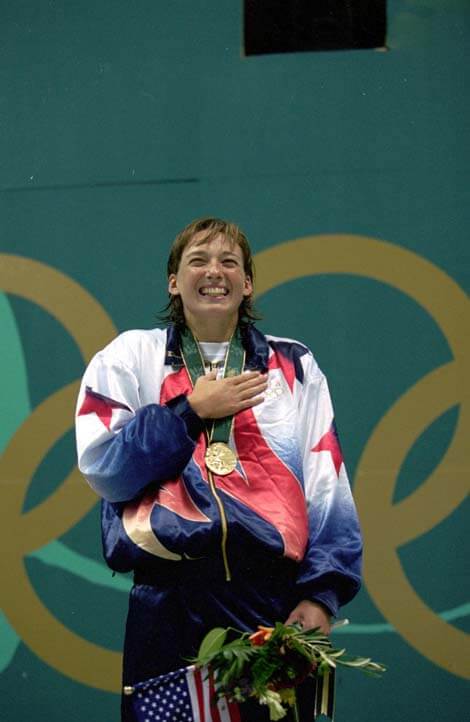
Top 150 Olympic Athletes: #143 - Amy Van Dyken


Amy Van Dyken

USA

Swimming


Overall Rankings

#43 among American Olympians

#10 among Swimmers

#9 among American Swimmers

#3 among Female Swimmers


Olympic Results

1996

50m Freestyle - Gold

4x100m Freestyle Relay - Gold

100m Butterfly - Gold

4x100m Medley Relay - Gold

2000

4x100m Freestyle Relay - Gold

4x100m Medley Relay - Gold

Total

Events - 8

Gold - 6


Amy Deloris Van Dyken was born on February 15, 1973 in Englewood, Colorado, and attempted to make the Olympic team right out of high school, but fell just short of making the team for the 1992 Olympics in the 50m Freestyle.

In 1994, she set a national record in the 50 yard freestyle at the NCAA Championships, and also took second place in two other events. In 1995 she broke the world record in the 50m butterfly, which had stood for nearly 3 years, but she held it for only 12 days before it was broken by Angela Kennedy of Australia.

She easily made the 1996 Olympic team, and after finishing in a close 4th place in her first event, she rattled off 4 consecutive gold medals, beginning with the 4x100m relay, where she swam the fastest leg as the USA beat China by more than a second. She followed that with an upset over the favored Liu Limin in the 100m Butterfly, which she won by one hundredth of a second.

Next, she swam the anchor freestyle leg in the 4x100m Medley Relay, starting out with a full second lead and extending it to more than two seconds by the time she finished. Her final event was the 50m Freestyle, where she came from behind in the final 5 meters to overtake Le Jingyi to win by 3 hundredths of a second. That win made her the first American woman ever to win 4 gold medals in a single Olympics.

She suffered a shoulder injury not long after her Olympic breakthrough, and multiple surgeries caused her to lose more than a year of training, but she worked hard to make it back and earned a spot on the 2000 Olympic team.

She started off with the 4x100m freestyle relay, where she swam the leadoff leg. She had the USA in second place behind Australia at the handoff, but each of her 3 teammates swam faster times as the Americans set a new Olympic record and won by more than 3 seconds. In the 4x100m Medley Relay, she swam the anchor leg in the heat round, which qualified the Americans for the final, where Dara Torres took the freestyle leg and the USA set a World Record and again won by more than 3 seconds. 

In her final event, the 50m Freestyle, she caused some controversy in the semifinal heat when she finished second to eventual champion Inge de Bruijn, then spit in her opponents lane and accused her of being a man, which, unfortunately, is the same kind of crap that we still hear today from sore losers. She ended up finishing in 4th place in the final, just short of another medal.

She retired after the 2000 Olympics, and afterward has spent time competing in triathlons, coaching high school swimming, and hosting radio shows. She was in a serious ATV accident in 2014, which left her temporarily paralyzed, but she was able walk again after several months of rehab. Based on her performance in the pool, where she earned 6 gold medals and two 4th place finishes in her 8 events, she is obviously one of the greatest Olympians of all time.


Tuesday, June 23, 2026

Top 150 Olympic Athletes: #144 - Kennedy McKinney


Kennedy McKinney

USA

Boxing


Overall Rankings

#44 among American Olympians

#5 among Boxers

#2 among American Boxers


Olympic Results

1988

Bantamweight - Gold

Total

Events - 1

Gold - 1


Kennedy McKinney was born on January 10, 1966 in Hernando, Mississippi, and took up boxing as a young adult while serving as a Private First Class in the US Army. He competed in the US Amateur Championships every year from 1985 to 1988, finishing second or third each time.

At the 1988 Olympic Trials, he faced the two men who had beaten him in the two most recent Amateur Championships, and got his revenge on both, which earned him the USA bantamweight spot on the team headed to Seoul.

At the Olympics, he won his first bout by TKO in just one minute and 44 seconds. His second opponent forfeited, so he was very fresh heading into the quarterfinals, where he defeated his opponent by unanimous decision, advancing to the semifinals.

His semifinal bout was another quick one, with another TKO in 2:32, which put him in the gold medal match against Aleksandar Hristov of Bulgaria, and the American won again by unanimous decision, meaning that he had won the gold medal without a single judge picking his opponent as the winner.

He turned pro the following year, but his star fell soon after, as we went to jail for attempting to abduct a teenage girl and spent time in drug rehab to deal with his addiction to cocaine. By 1992, he was able to win the IBF Super Bantamweight title, which he defended successfully 7 times over the next 2 years before losing it in 1994. 

He finished his pro career in 2003 with a 36-6-1 record, and now works as a boxing coach at a gym in Southaven, Mississippi, near his hometown. He only competed in the Olympics once, which was very common in the era when only amateurs were allowed to compete, but he completely dominated the tournament, which makes him one of the greatest Olympians of all time.


Monday, June 22, 2026

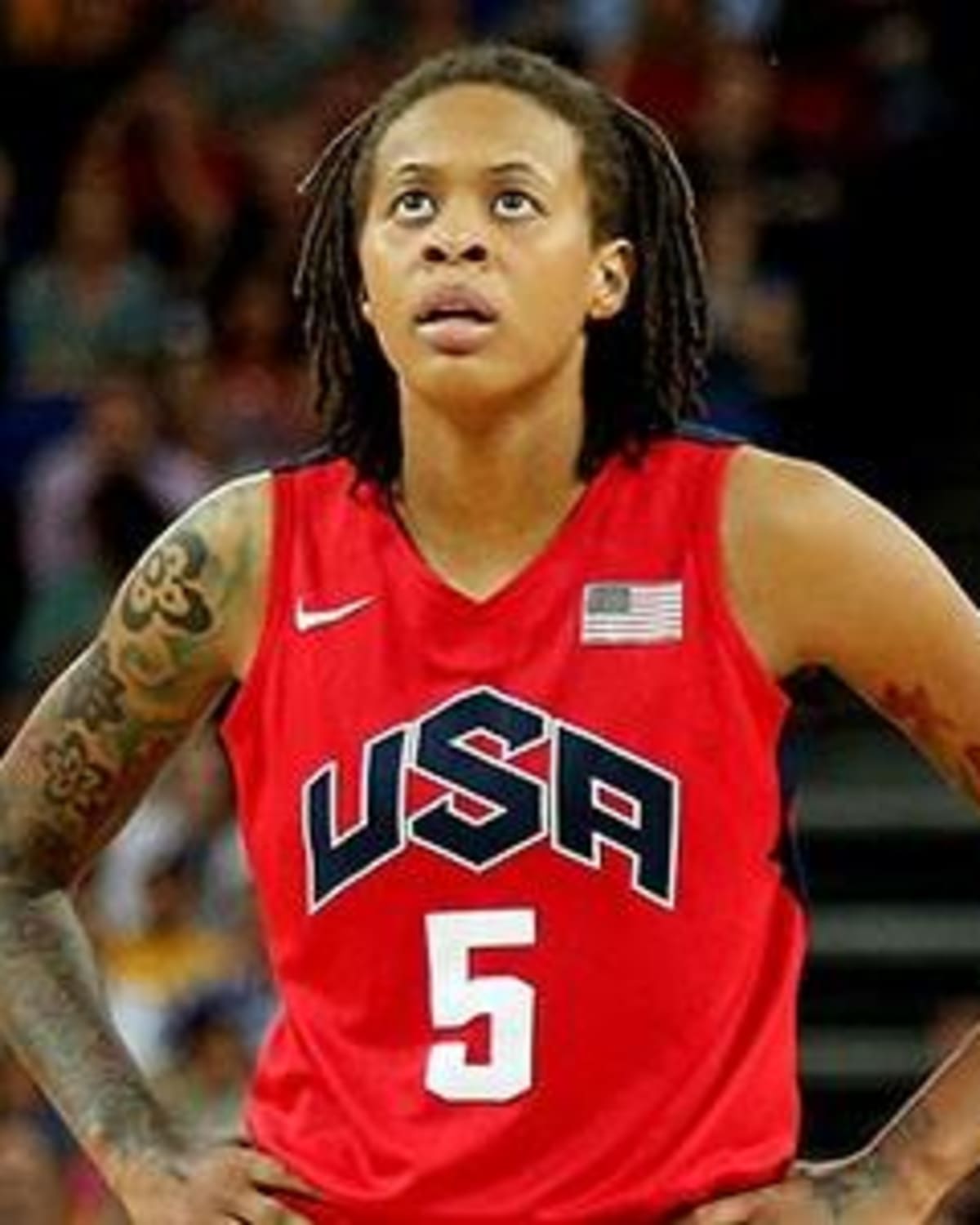
Top 150 Olympic Athletes: #145 - Seimone Augustus


Seimone Augustus

USA

Basketball


Overall Rankings

#45 among American Olympians

#4 among Basketball players


Olympic Results

2008

Women - Gold

2012

Women - Gold

2016

Women - Gold

Total

Events - 3

Gold - 3


Seimone Delicia Augustus was born on April 30, 1984 in Baton Rouge, Louisiana, where she attended high school and college. While at LSU, she led the Tigers to 3 straight appearances in the Final Four, and then was the #1 pick in the 2006 WNBA Draft.

She finished as the #2 scorer in the league as a rookie and was named Rookie of the Year, then set a career-high with 22.6 points per game in 2007. She made the 2008 Olympic team, which ran through the tournament, winning their games by an average of over 37 points each and earned her first gold medal.

She tore her ACL in 2009, missing most of that season, but when she was back at full health in 2011, she led the Minnesota Lynx to a championship and was named the Finals MVP. This helped her make the Olympic team again in 2012, and that team again swept their way to the gold medal, winning by an average of almost 35 points per game.

She won another WNBA title in 2013, then missed much of the 2015 season to a knee injury before returning in time for the playoffs, where she earned her 3rd league title. She was back on the Olympic team in 2016, and that team again won every game they entered by an average of more than 37 points, and Augustus had her third gold medal.

In 2017, she and the Lynx reached their 6th WNBA Finals in 7 years, and won it for the 4th time, giving her one more WNBA title than Olympic gold medal. She played 3 more years before retiring in early 2021, taking a role as an assistant coach with the LA Sparks. She is currently an assistant coach at LSU, her alma mater.

Augustus was not the top scorer on any of her Olympic teams, but she was always one of the biggest contributors, and the 3 Olympic teams she belonged to were the three most dominant women's teams in history, which earns her a spot as one of the greatest Olympic athletes of all time.


Sunday, June 21, 2026

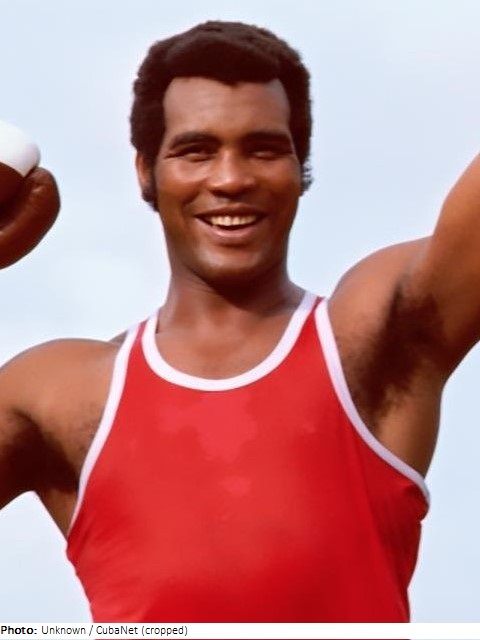
Top 150 Olympic Athletes: #146 - Teofilo Stevenson


Teofilo Stevenson

Cuba

Boxing


Overall Rankings

#6 among Boxers

#3 among Cuban Olympians

#2 among Cuban boxers


Olympic Results

1972

Heavyweight - Gold

1976

Heavyweight - Gold

1980

Heavyweight - Gold

Total

Events - 3

Gold - 3


Teofilo Stevenson Lawrence was born on March 29, 1952 in Puerto Padre, Cuba. His father was an immigrant from Saint Vincent, and his mother's parents had immigrated from Saint Kitts. His father had boxed briefly as a young man, and Teofilo began training at the age of 9, and began his career at age 17.

In 1972, at age 20, he made the Cuban Olympic team, and he won each of his first three bouts by TKO, including an opening bout that only lasted 3 minutes. He advanced to the final, where he was to face Ion Alexe of Romania, but he was unable to fight due to an injury from his previous fight, and Stevenson won the gold medal by default.

After winning the World Championship in 1974, he returned to defend his title in 1976 in Montreal, and he was even more dominant, winning two bouts by knockout and one by TKO on his way to the final, where he faced another Romanian, Mircea Simon, who bowed out in the third round, earning Stevenson his second straight gold medal.

After that win, he was offered $5 million to face Muhammad Ali for the world heavyweight title, but it would mean giving up his amateur status, which would make him ineligible for the Olympics, so he declined, saying that the love of 8 million Cubans was worth more than a million dollars.

He began the 1980 Olympics with a pair of knockouts, after which he won his semifinal by unanimous decision, the first time in his Olympic career that a match had gone the full length. He advanced to the final, where he faced Soviet Pyotr Zayev in front of the Soviet crowd, but still managed to win the bout by split decision, becoming the second man in history to win 3 gold medals in boxing.

Stevenson lost in the 1982 World Championships, ending an 11-year unbeaten streak, and then lost another bout in 1983, but was still expected to contend for the gold medal in 1984, until Cuba decided to join the Soviet boycott of the Olympics. He continued fighting, winning another World Championship in 1986, but after Cuba decided to boycott the 1988 Olympics as well, Stevenson retired from boxing.

Following his retirement, Stevenson worked as a boxing trainer and as Vice President of the Cuban Boxing Federation, before passing away in 2012 of a heart attack. He is considered by many to be the greatest boxer to never turn pro, and his three dominant gold medal runs through the Olympics make him one of the greatest Olympians of all time.


Saturday, June 20, 2026

Top 150 Olympic Athletes: #147 - Ding Ning


Ding Ning

China

Table Tennis


Overall Ranks

#10 among Chinese Olympians

#7 among Table Tennis athletes

#5 among Female Chinese Table Tennis Athletes


Olympic Results

2012

Singles - Silver

Team - Gold

2016

Singles - Gold

Team - Gold

Total

Events - 4

Gold - 3

Silver - 1


Ding Ning was born on June 20, 1990 in Daqing, China, and by the age of 5 had begun training for a career in table tennis. She was assigned to study at Xiannongtan Sports School, and by age 19 had made the national team.

She had her first major individual victories in 2011, when she won both the World Championship and the World Cup of table tennis. She entered the 2012 Olympics as the #1 ranked player in the world, and the favorite to win the gold medal, with her Chinese teammate Li Xiaoxia picked to win the silver.

Individual matches in the Olympics are played in a best of 7 format, and Ding lost only 3 games on the way to the final, while Li lost 4. In the final showdown, Li won the first two games by a small margin, then lost the third to Ding, before taking the final two games to take the gold and leave Ding with the individual silver.

The two finalists teamed up with Guo Yue in the team competition next, and the three Chinese swept through the entire tournament without losing a single game, earning the trio gold medals, the second for Guo and Li, but the first for Ding.

Leading up to the 2016 Olympics, Ding again won the World Championship in 2015, and was again the #1 seed in the singles tournament, where she dominated the competition on her way back to the gold medal match, losing only a single game along the way. The final was a rematch with Li, and it was an extremely close match, going all the way to 7 games, with Ding winning the final 2 to take the gold medal 4-3.

The two finalists again competed in the team event with a new teammate, first-time Olympian Liu Shiwen, but the result was exactly the same, with the Chinese winning every single game on its way to another gold medal.

Ding won another World Championship in 2017, but did not make the Chinese team for the 2020 games, as only 2 are allowed from each nation. She retired in 2021 to pursue a masters degree in physical education, and last year she was appointed the principal of the same sports school she attended as a child.

China has dominated the table tennis events at the Olympics since they were added, and Ding Ning is one of the best athletes to come from the country during that time, with her only loss coming in an Olympic final to a fellow countryman, making her one of the greatest Olympic athletes of all time.


Friday, June 19, 2026

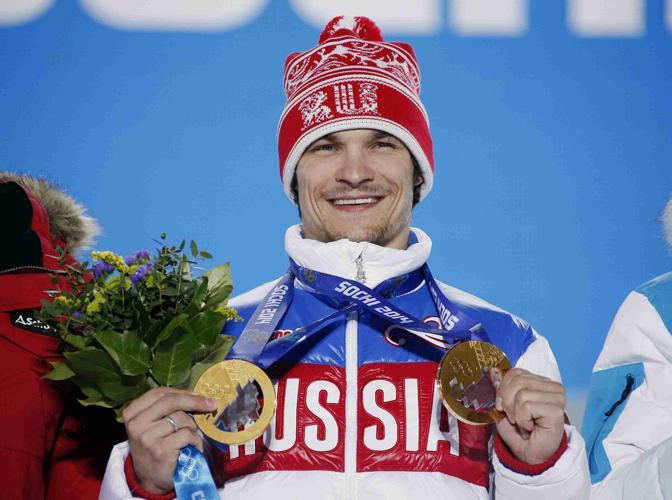
Top 150 Olympic Athletes: #148 - Vic Wild


Vic Wild 

Russia

Snowboard


Overall Ranks

#7 among Russian Olympians

#1 among Snowboarders


Olympic Results

2014

Parallel Giant Slalom - Gold

Parallel Slalom - Gold

2022

Parallel Giant Slalom - Bronze

Total

Events - 4

Gold - 2

Bronze - 1


Victor Ivan Wild was born in White Salmon, Washington on August 23, 1986, and originally competed for the United States in international competitions, but after the US Olympic Committee decided to stop funding snowboard racing in 2010, and after his marriage to Russian snowboarder Alyona Zavarzina in 2011, he moved to Russia and applied for citizenship.

He made his Olympic debut in 2014, competing in the Parallel Slalom and Parallel Giant Slalom. He posted the second-best qualifying time in the Parallel Giant, which moved him to the round of 16. Starting in that round, matches consisted of 2 snowboarders racing at the same time, with the best overall time after 2 races determining the winner. Wild won all but one race in the competition, taking the gold medal just hours after his wife won the bronze medal in the same event.

He earned the best qualifying time in the Parallel Slalom a few days later, getting him the top seed in the 16-man field, and again he won the competition while losing only a single race, a loss which came by 0.04 of a second to a 2-time world champion in the event. His win made him the first snowboarder ever to win multiple gold medals at the same Olympics, and he is still the only one to do it in 2 individual events.

The Parallel Slalom did not return after the 2014 Olympics, but Wild came back to defend his title in the Parallel Giant in 2018, but after placing 9th in qualifying, he lost in his first race and was eliminated.

Despite getting divorced in 2021, he decided to continue living in and competing for Russia, and he again competed in the Parallel Giant Slalom in 2022, again taking 9th place in the qualifying round. After upsetting fellow Russian Dmitry Loginov in the first round, he took down the #1 seed in the next, advancing to the semifinals. He lost his next race, then finished off the tournament with one final upset to earn himself a bronze medal.

Though Wild has only competed in 4 Olympic events in his career, and failed to medal in one of them, he dominated in both of his events in 2014, and another strong performance in 2022 earned him the title of best Olympic snowboarder of all time so far.


Thursday, June 18, 2026

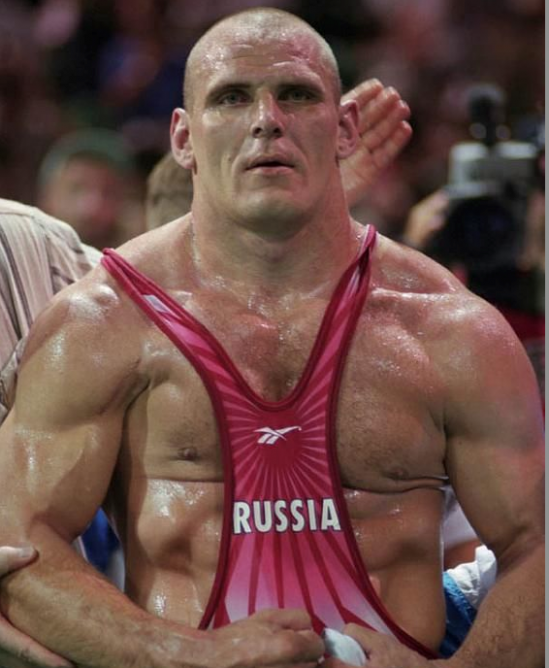
Top 150 Olympic Athletes: #149 - Aleksandr Karelin


Aleksandr Karelin

USSR - Unified Team - Russia

Wrestling


Overall Ranks

#8 among Russian Olympians

#5 among Wrestlers

#4 among Russian Wrestlers


Olympic Results

1988

Greco-Roman Super Heavyweight - Gold

1992

Greco-Roman Super Heavyweight - Gold

1996

Greco-Roman Super Heavyweight - Gold

2000

Greco-Roman Super Heavyweight - Silver

Total

Events - 4

Gold - 3

Silver - 1


Aleksandr Aleksandrovich Karelin was born on September 19th, 1967 in Novosibirsk, USSR. His father was a boxer, but Aleksandr decided at age 13 to train as a wrestler, and at that point he already stood 5'10" and weighed 174 pounds. 

He scored his first major victory in 1988, when he won the USSR Olympic trial against the nation's defending champion, after which he went on to win every match in the Olympics on the way to his first gold medal, becoming the youngest-ever champion in the super heavyweight class, just 2 days after his 21st birthday.

Over the next 3 years, he ran undefeated through the World Championships each time, then returned to the Olympics as a heavy favorite, this time representing the Unified Team after the breakup of the USSR the previous year. He once again flew through the tournament undefeated, even winning his 4th match in only 14 seconds on his way to gold medal number two.

He won 3 more World Championships from 1993 to 1995, never losing a match, but injured his shoulder and had to have surgery, returning just before the 1996 Olympics. He was considered vulnerable for the first time due to this, but swept through the Olympics undefeated, not even giving up a single point on his way to a third straight gold medal, this time representing Russia.

From 1997-1999, he ran his streak of World Championships up to 9, never surrendering a point in any of those matches, and was expected to continue his streak at the 2000 Olympics. He made it to the final match without giving up a point, but lost in the final to Rulon Gardner of the USA by a score of 1-0. It was the first point he had given up in 6 years, and his first loss in 13 years, and he went home with a silver medal.

He retired after that loss, turning to his new career in politics, where he had been elected to the Russian Duma in 1999, and he has served in Russian politics in some role ever since. Even with his long post-athletic career, he is still best-known as one of the most dominant wrestlers of all time, and one of the greatest Olympians of all time.


Wednesday, June 17, 2026

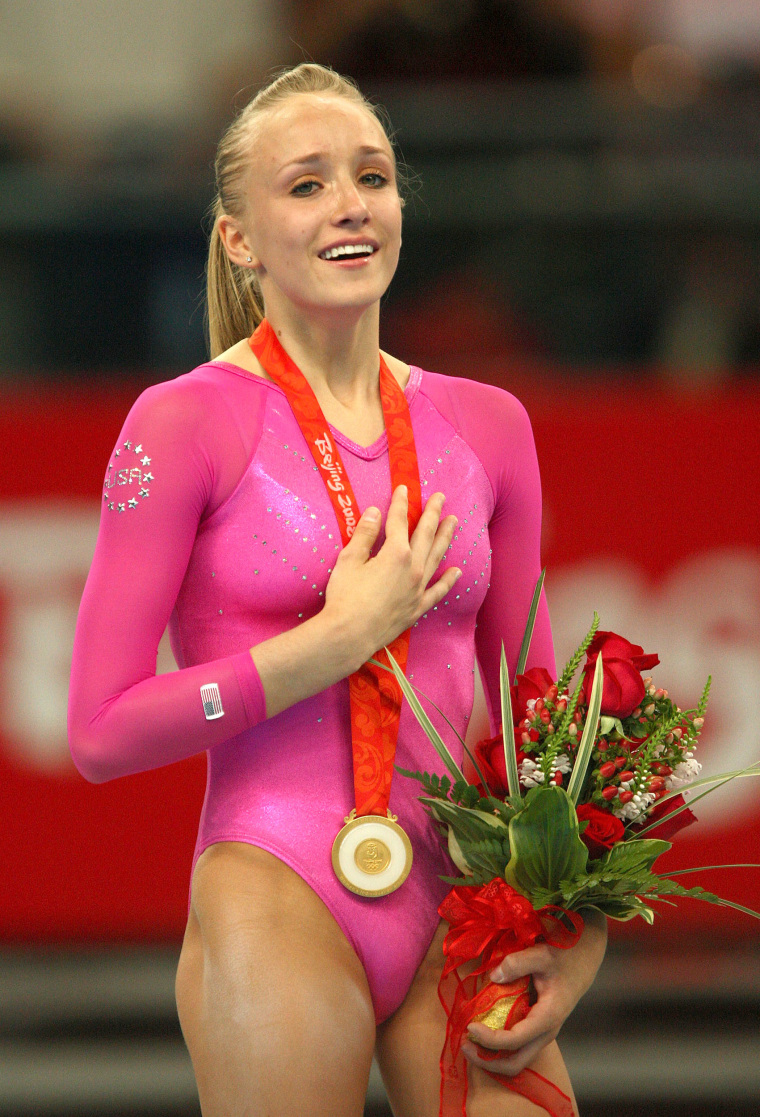
Top 150 Olympic Athletes - #150 - Nastia Liukin


Nastia Liukin

USA

Artistic Gymnastics


Overall Ranks

#46 among American Olympians

#26 among Artistic Gymnasts

#11 among Female Artistic Gymnasts

#3 among American Artistic Gymnasts


Olympic Results

2008

Individual All-Around - Gold

Team - Silver

Uneven Bars - Silver

Balance Beam - Silver

Floor Exercise - Bronze

Total

Events - 5

Gold - 1

Silver - 3

Bronze - 1


Anastasiya Valeryevna Luikin, nicknamed Nastia, was born on October 30, 1989 in Moscow, USSR. Her father, Valery, was an Olympic gymnast who competed for the USSR the year before she was born, earning 2 gold medals and 2 silvers, including the Individual All-Around silver. When the Soviet Union fell in 1991, the family moved to the United States, eventually settling in Plano, Texas, where her father opened a gymnastics training gym.

She began doing gymnastics at age 3, and by 2002, she was competing at the national level, taking second place in the Individual All-Around junior division at the 2003 Pan-Am Games, but she was just slightly too young to compete at the 2004 Olympics.

Over the next 3 years, she won 9 total medals at the World Championships, including two golds in the Balance Beam. She was the #2 overall finisher at the 2008 US Olympic Trials and made the team easily. In the qualifying round, she qualified to compete in 3 event finals, the Uneven Bars, Balance Beam, and Floor Exercise, as well as the Individual All-Around.

In the Team competition, she participated in 3 events, earning her highest score of 16.9 on the Uneven Bars, which was the highest score in the entire Olympics, helping the Americans earn the silver medal. In the Individual All-Around, she got through all 4 events without a single mistake, which earned her the gold medal, just ahead of teammate Shawn Johnson.

She began the event finals with her weakest event, the Floor Exercise, but was able to put together a performance good enough to win her the bronze. In the Uneven Bars, she ended up tied with He Kexin of China for the best score, but was awarded the silver medal based on the third tiebreaker. She also won the silver in the balance beam, becoming only the 3rd American to win 5 gymnastics medals in the same Olympics.

She retired the following year, but attempted a comeback ahead of the 2012 Olympics, but after failing to qualify for the American team, she retired again for good in 2012. She may have only competed in 5 events in her Olympic career, but she was so impressive on each of them that she has earned this spot on the list of the greatest Olympic athletes of all time.


Tuesday, June 16, 2026

Top 150 Olympic Athletes of All Time - Intro

During the 2024 Summer Olympics, while watching several legendary performances, I started to think about how to determine the greatest Olympic athlete of all time. It couldn't just be determined based on medal count, since some medals are not as impressive as others, and some athletes have more opportunities to win medals than others, based on their sport, the era in which they competed, Games cancelled due to war or boycott, or even their gender. For the past two years, I have been working through all of the data to try to answer this question.

I determined that using the mean and standard deviation to determine how much above average each performance was would be the most fair way to decide how impressive each athlete was in each event. I imported the data for all 175,939 athletes in Olympic history (since 1896), and broke down the scores for all 8013 events for which medals have been awarded, finding the mean and standard deviation in each event, then giving each athlete a score based on how far above the mean they finished. I then removed any low outliers (more than 2 standard deviations below the mean), and tabulated the results for every athlete who had ever finished at least 1 standard deviation above the mean in any event, resulting in 30,161 athletes to rank.

To take care of the issue with athletes who competed in fewer events, I created a multiplier for each athlete based on the total number of events in which they competed, which took into account the number of points they would have been expected to gain if they had performed at the average level of the full list of athletes in subsequent events. I also included a multiplier for each event that helped balance out events that regularly had the highest scores with those that usually were lower in order to prevent a couple dozen events from completely dominating the rankings. 

Over the next several months, I will be revealing the top 150 athletes from my list one at a time in a countdown. As each is revealed, I will include a link to that athlete's profile on this page. Before the countdown begins, here is a breakdown of those athletes by country, sport, gender, and when they competed:

Athletes by Gender

Male - 104

Female - 46


Athletes by Country

United States - 46

USSR - 11

China - 10

Italy - 8

Japan - 8

Russia - 8 (includes independent athletes from Russia in recent games)

Hungary - 6

Jamaica - 6

Norway - 6

Germany - 5

Australia - 3

Cuba - 3

Finland - 3

France - 3

Great Britain - 3

East Germany - 3

Netherlands - 3

South Korea - 2

Switzerland - 2

Sweden - 2

Czechoslovakia - 2

Belarus - 1

Canada - 1

Denmark - 1

India - 1

Kenya - 1

Romania - 1

Ukraine - 1


Athletes by Sport

Athletics (Track & Field) - 38

Artistic Gymnastics - 26

Swimming - 10

Fencing - 9

Table Tennis - 7

Boxing - 6

Cross Country Skiing - 6

Road Cycling - 5

Wrestling - 5

Basketball - 4

Speed Skating - 4

Archery - 3

Equestrian Dressage - 3

Alpine Skiing - 2

Beach Volleyball - 2

Biathlon - 2

Bobsled - 2

Track Cycling - 2

Diving - 2

Judo - 2

Golf - 1

Field Hockey - 1

Modern Pentathlon - 1

Nordic Combined - 1

Rowing - 1

Sailing - 1

Shooting - 1

Ski Jumping - 1

Snowboard - 1

Tennis - 1


Athletes by Olympic Games

Summer - 131 total

1920 - 4

1924 - 4

1928 - 5

1932 - 4

1936 - 8

1948 - 9

1952 - 14

1956 - 15

1960 - 16

1964 - 10

1968 - 14

1972 - 15

1976 - 11

1980 - 4

1984 - 6

1988 - 10

1992 - 12

1996 - 13

2000 - 19

2004 - 21

2008 - 28

2012 - 31

2016 - 34

2020 - 26

2024 - 19


Winter - 19 Total

1936 - 1

1980 - 1

1984 - 2

1988 - 2

1992 - 4

1994 - 5

1998 - 3

2002 - 5

2006 - 3

2010 - 3

2014 - 5

2018 - 7

2022 - 7

2026 - 6


Overall Rankings

150. Nastia Liukin - USA - Artistic Gymnastics - 2008

149. Aleksandr Karelin - URS/EUN/RUS - Wrestling - 1988-2000

148. Vic Wild - RUS/ROC - Snowboard - 2014-2022

147. Ding Ning - CHN - Table Tennis - 2012-2016

146. Teofilo Stevenson - CUB - Boxing - 1972-1980

145. Seimone Augustus - USA - Basketball - 2008-2016

144. Kennedy McKinney - USA - Boxing - 1988

143. Amy Van Dyken - USA - Swimming - 1996-2000

142. Lee Evans - USA - Athletics - 1968

141. Giulio Gaudini - ITA - Fencing - 1924-1936

140. Davit Chakvetadze - RUS - Wrestling - 2016

139. Dhyan Chand - IND - Field Hockey - 1928-1936

138. Georg Fleischhauer - GER - Bobsled - 2026

137. Mitsuo Tsukahara - JPN - Artistic Gymnastics - 1968-1976

136. Kerri Walsh Jennings - USA - Beach Volleyball - 2000-2016

135. An San - KOR - Archery - 2020

134. Meldrick Taylor - USA - Boxing - 1984

133. Li Xiaoxia - CHN - Table Tennis - 2012-2016

Sunday, June 14, 2026

Top 100 NBA Players of All Time - 2026 Update

The New York Knicks won the NBA title for the first time in 53 years, and one of their star players reached the all-time top 100 as a result of that historic run. As usual, I have added all of this season's data to my all-time player rankings, and 3 players joined the top 100 this season, with DeMar DeRozan sneaking in late in the regular season at #99, while Shai Gilgeous-Alexander and Karl-Anthony Towns made it early in the playoffs, reaching #81 and #78 respectively at the end of the postseason. Wes Unseld, Amare Stoudemire, and Bob Lanier dropped out of the top 100 to make room for the 3 new members. In addition, there has been a change in the top 10 for the first time in over a decade, with Kevin Durant passing Hakeem Olajuwon to grab spot #10. Next season, there should be 2 new additions to the top 100, with a decent chance at 4 new faces. Donovan Mitchell and Jalen Brunson should get there by midseason, while Devin Booker and Rudy Gobert both look likely to get there near the end of the season, barring any major injuries. Paul George also has an outside chance, but he would need to play much better than he has in the past 2 seasons. Here is my current top 100:


100 (95) Gus Williams - PG - SEA - 1980s

99 (NR) DeMar DeRozan - SF - TOR - 2010s*

98 (94) Dennis Rodman - PF - DET - 1990s

97 (93) Tom Heinsohn - PF - BOS - 1960s

96 (92) John Wall - PG - WAS - 2010s

95 (97) Trae Young - PG - ATL - 2020s*

94 (96) Mike Conley - PG - MEM - 2010s*

93 (90) Rod Strickland - PG - POR - 1990s

92 (89) Cliff Hagan - SF - STL - 1960s

91 (88) Walt Frazier - PG - NYK - 1970s

90 (87) Ray Allen - SG - MIL - 2000s

89 (86) Alonzo Mourning - C - MIA - 1990s

88 (85) Terry Porter - PG - POR - 1990s

87 (84) Dikembe Mutombo - C - ATL - 1990s

86 (83) Louie Dampier - PG - KEN - 1970s

85 (91) Jrue Holiday - PG - NOP - 2010s*

84 (82) Tracy McGrady - SG - ORL - 2000s

83 (81) Tim Hardaway - PG - GSW - 1990s

82 (80) Chris Webber - PF - SAC - 2000s

81 (NR) Shai Gilgeous-Alexander - PG - OKC - 2020s*

80 (78) Sam Cassell - PG - MIL - 2000s

79 (77) Dominique Wilkins - SF - ATL - 1980s

78 (NR) Karl-Anthony Towns - C - MIN - 2020s*

77 (76) Jimmy Butler - SF - MIA - 2010s*

76 (74) Carmelo Anthony - SF - DEN - 2010s

75 (73) Alex English - SF - DEN - 1980s

74 (72) Maurice Cheeks - PG - PHI - 1980s

73 (79) Joel Embiid - C - PHI - 2020s*

72 (71) Deron Williams - PG - UTA - 2000s

71 (70) Ben Wallace - C - DET - 2000s

70 (75) Jayson Tatum - PF - BOS - 2020s*

69 (69) Bob McAdoo - C - BUF - 1970s

68 (68) Sam Jones - SG - BOS - 1960s

67 (67) Manu Ginobili - SG - SAS - 2000s

66 (66) Reggie Miller - SG - IND - 1990s

65 (65) Kevin McHale - PF - BOS - 1980s

64 (64) George McGinnis - PF - IND - 1970s

63 (63) Paul Pierce - SF - BOS - 2000s

62 (60) Chauncey Billups - PG - DET - 2000s

61 (59) Kyrie Irving - PG - CLE - 2010s*

60 (61) Draymond Green - PF - GSW - 2010s*

59 (57) George Gervin - SG - SAS - 1970s

58 (62) Luka Doncic - PG - DAL - 2020s*

57 (56) Pau Gasol - C - LAL - 2010s

56 (55) Scottie Pippen - SF - CHI - 1990s

55 (58) Kawhi Leonard - SF - SAS - 2010s*

54 (54) Clyde Drexler - SG - POR - 1990s

53 (53) Mark Jackson - PG - IND - 1990s

52 (52) Damian Lillard - PG - POR - 2010s*

51 (51) Rajon Rondo - PG - BOS - 2010s

50 (50) Kevin Johnson - PG - PHX - 1990s

49 (48) Elvin Hayes - PF - WAS - 1970s

48 (47) Dolph Schayes - PF - SYR - 1950s

47 (46) Gary Payton - PG - SEA - 1990s

46 (49) Anthony Davis - PF - NOP - 2010s*

45 (45) Dan Issel - C - DEN - 1970s

44 (44) Robert Parish - C - BOS - 1980s

43 (43) Dwight Howard - C - ORL - 2010s

42 (42) John Havlicek - SF - BOS - 1970s

41 (41) Bob Pettit - PF - STL - 1960s

40 (40) Allen Iverson - SG - PHI - 2000s

39 (39) Artis Gilmore - C - KEN - 1970s

38 (38) Rick Barry - SF - GSW - 1970s

37 (37) Isiah Thomas - PG - DET - 1980s

36 (36) Patrick Ewing - C - NYK - 1990s

35 (35) Charles Barkley - PF - PHI - 1990s

34 (34) Elgin Baylor - SF - LAL - 1960s

33 (33) David Robinson - C - SAS - 1990s

32 (32) George Mikan - C - MNL - 1950s

31 (31) Tony Parker - PG - SAS - 2010s

30 (30) Kevin Garnett - PF - MIN - 2000s

29 (28) Dirk Nowitzki - PF - DAL - 2000s

28 (27) Moses Malone - C - HOU - 1980s

27 (29) Giannis Antetokounmpo - PF - MIL - 2020s*

26 (26) Steve Nash - PG - PHX - 2000s

25 (25) Dwyane Wade - SG - MIA - 2010s

24 (24) Jason Kidd - PG - NJN - 2000s

23 (22) Oscar Robertson - PG - CIN - 1960s

22 (21) Larry Bird - SF - BOS - 1980s

21 (23) Nikola Jokic - C - DEN - 2020s*

20 (18) Chris Paul - PG - LAC - 2010s*

19 (19) Russell Westbrook - PG - OKC - 2010s*

18 (17) Bob Cousy - PG - BOS - 1950s

17 (20) James Harden - SG - HOU - 2010s*

16 (16) Julius Erving - SF - PHI - 1970s

15 (15) Karl Malone - PF - UTA - 1990s

14 (13) John Stockton - PG - UTA - 1990s

13 (12) Jerry West - PG - LAL - 1960s

12 (14) Stephen Curry - PG - GSW - 2010s*

11 (10) Hakeem Olajuwon - C - HOU - 1990s

10 (11) Kevin Durant - SF - OKC - 2010s*

9 (9) Kobe Bryant - SG - LAL - 2000s

8 (8) Bill Russell - C - BOS - 1960s

7 (7) Tim Duncan - PF - SAS - 2000s

6 (6) Magic Johnson - PG - LAL - 1980s

5 (5) Shaquille O'Neal - C - LAL - 2000s

4 (4) Wilt Chamberlain - C - PHW - 1960s

3 (3) Michael Jordan - SG - CHI - 1990s

2 (2) Kareem Abdul-Jabbar - C - LAL - 1970s

1 (1) LeBron James - SF - CLE - 2010s*