Showing posts with label Japan. Show all posts

Friday, November 13, 2026

Top 150 Olympic Athletes: #7 - Sawao Kato


Sawao Kato

Japan

Artistic Gymnastics


Overall Ranks

#3 among Gymnasts

#1 among Male Gymnasts

#1 among Japanese Olympians


Olympic Results

1968

Individual All-Around - Gold

Team - Gold

Floor Exercise - Gold

Rings - Bronze

1972

Individual All-Around - Gold

Team - Gold

Parallel Bars - Gold

Horizontal Bar - Silver

Pommel Horse - Silver

1976

Individual All-Around - Silver

Team - Gold

Parallel Bars - Gold

Total

Events - 24

Gold - 8

Silver - 3

Bronze - 1


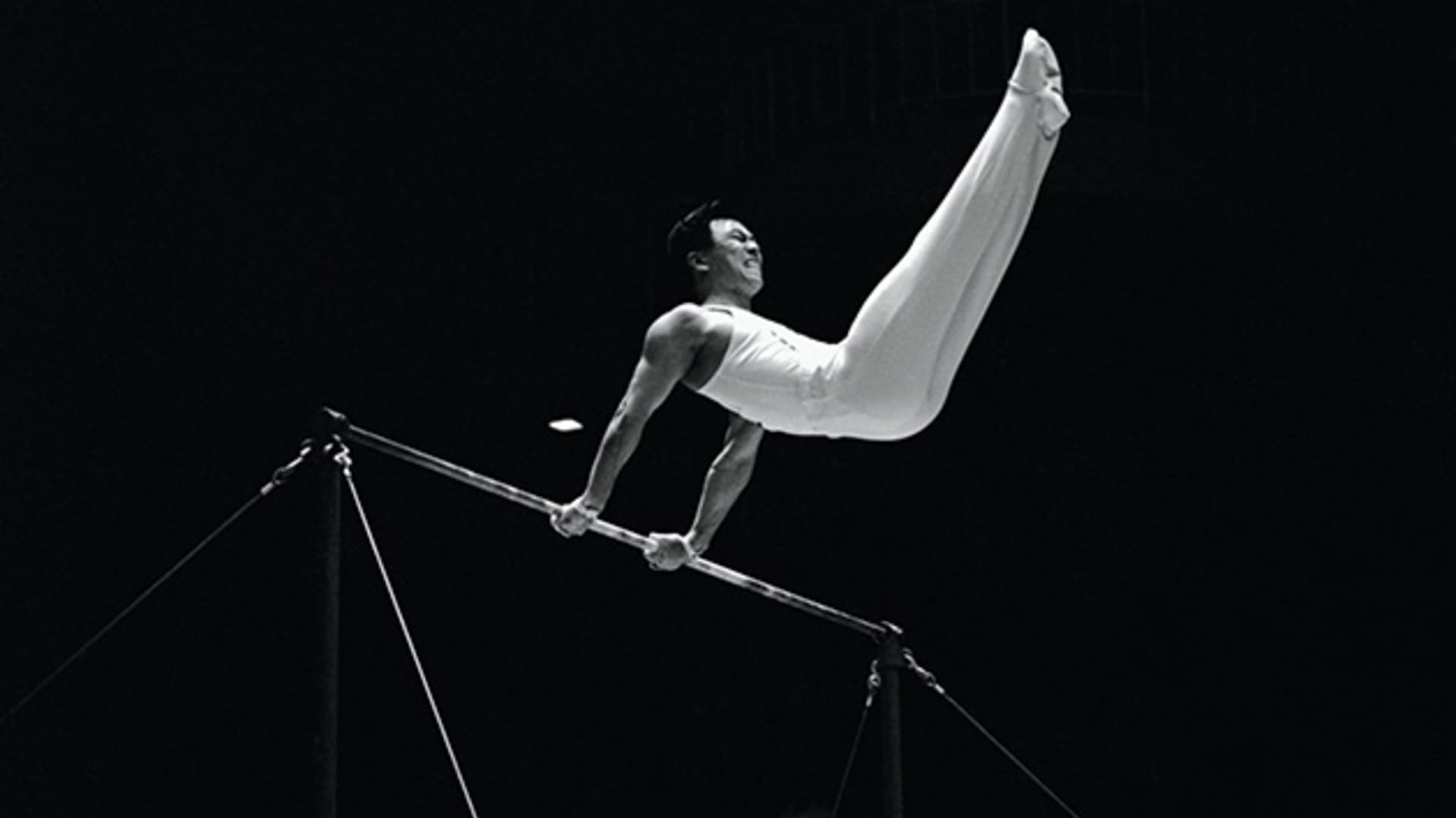
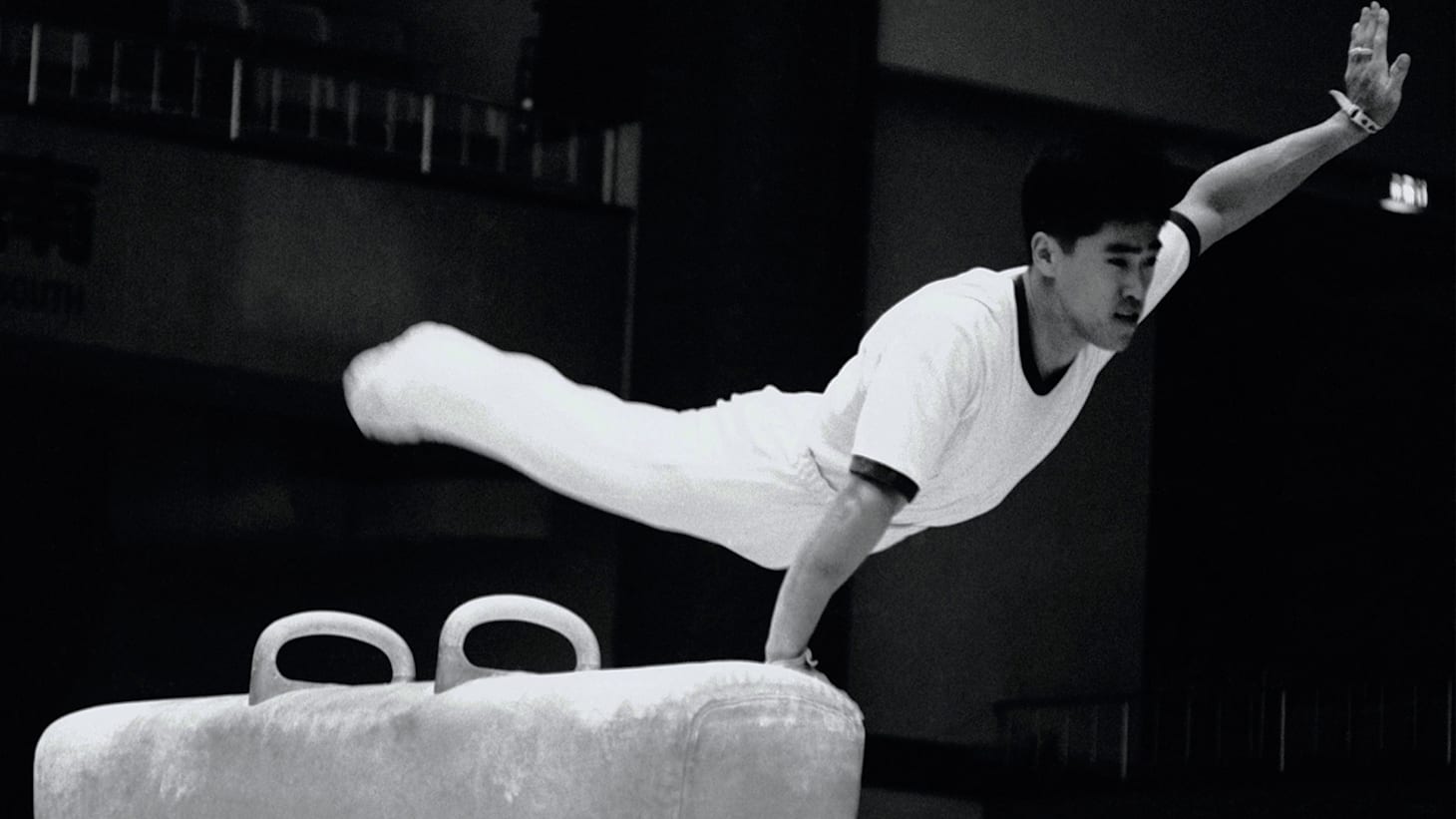
Sawao Kato was born on October 11, 1946 in Gosen, Japan, and grew up training in gymnastics, following in the footsteps of his older brother, Takeshi. Both brothers rose through the ranks to make the national team, with Takeshi competing at the 1966 World Championships, and Sawao joining him on the team for the 1968 Mexico City Olympics.

Sawao quickly showed that he was the better gymnast of the two brothers. In the team event, where they both competed, Japan won their third straight gold medal, with Sawao the highest-scoring member of the team, and his brother 4th. They won the gold by 4.8 points over the USSR, who came in right behind the Japanese nearly every Olympics for two decades.

The individual all-around was determined by scores in the team event, and Kato came out on top as a result, just 0.05 points ahead of Mikhail Voronin of the USSR, the closest margin possible at the time. He qualified for the event finals on 5 apparatus, but chose to give up his spot in 3 of them to teammates, allowing him to focus on two events.

He was the top qualifier by far in the floor exercise, so he was able to skate through with a 9.65 in the final and still win the gold medal by 0.075 points over Akinori Nakayama, his teammate. He was also the top qualifier on the rings, but only scored a 9.45 in the final, which dropped him to the bronze, while Nakayama took the gold from him. 

4 years later, he returned to lead the team in Munich, and was once again the highest-scoring member of the Japanese squad that took the gold medal, this time by 7.2 points over the USSR. In the individual all-around, there was now a separate final round for the top 36 gymnasts from the team event, and Kato was the top qualifier again. In the final, he was outscored by 3 of the other top qualifiers, but his overall score was still the best, and he won a repeat all-around gold medal by 0.175 points over Eizo Kenmotsu of Japan.

He qualified for all 6 event finals that year, and this time he competed in all 6. He was the defending champion and top qualifier in the floor exercise, so he was expected to win again, but he only scored a 9.2 in the final, which dropped him all the way to 6th place at the end. He started out 2nd in the vault, but another poor performance dropped him to 4th, and out of the medals.

In the parallel bars, however, he didn't choke. He started out with the highest score, and had the highest score in the final, a 9.8, which gave him the win by a full tenth of a point. In the horizontal bar, he was #2 in qualifying behind Mitsuo Tsukahara, his teammate, who posted a 9.9 in the final to hold off all challengers, and Kato remained in second place for the silver medal.

On the rings, he was #3 in qualifying, and he had won the bronze medal 4 years earlier, but he was edged out by Tsukahara again and dropped to 4th place. On the pommel horse, he started out in 4th place, the only event where he was not in medal position at the start, and in the final, he had a strong score that moved him up to second place and a second silver medal.

By 1976 in Montreal, he was just about to turn 30 years old, but he still wasn't slowing down. For the third straight Olympics, he led the Japanese team in scoring, and led them to the gold medal, though they barely held off the Soviet Union, who fell short by only 0.4 points, the closest result in Japan's 5 straight wins in the event.

In the individual all-around, he did not enter as the top qualifier for the first time. Nikolay Andrianov had a better score in the team round, and he was even better in the final, leaving no chance for Kato to win an unprecedented 3rd straight gold in the event, and he had to settle for a silver medal. He qualified for 5 event finals, all except for the vault, but chose to skip the horizontal bar final.

He was 5th after qualifying in the floor exercise, and was not able to move up, ending up stuck in 5th. On the parallel bars, he was the defending champion and the top qualifier, and had a 9.9 in the final to secure his only individual gold of the Montreal games. He was the last qualifier on the rings, and stayed in last place after the final, and on the pommel horse, he wasn't able to improve on 5th place after qualifying either.

He retired after those Olympics, with the most gold medals for a man in gymnastics, and 12 medals overall. He is one of only 4 men to win the all-around twice, and came very close to being the first to do it 3 times. He has the most gold medals of any Japanese Olympian, and has the second-most total medals for a male gymnast, only behind Takashi Ono. He is definitely one of the greatest Olympians of all time.


Friday, October 23, 2026

Top 150 Olympic Athletes: #23 - Akinori Nakayama


Akinori Nakayama

Japan

Artistic Gymnastics


Overall Ranks

#6 among Gymnasts

#4 among Male Gymnasts

#2 among Japanese Olympians


Olympic Results

1968

Individual All-Around - Bronze

Team - Gold

Floor Exercise - Silver

Parallel Bars - Gold

Horizontal Bar - Gold

Rings - Gold

1972

Individual All-Around - Bronze

Team - Gold

Floor Exercise - Silver

Rings - Gold

Total

Events - 16

Gold - 6

Silver - 2

Bronze - 2


Akinori Nakayama was born on March 1, 1943 in Nagoya, Japan, and had his first big international victory in gymnastics in 1965, winning the all-around at the Summer Universiade. The next year, he won 6 medals at the World Championships, which helped him earn a spot on the Olympic Team in Mexico City in 1968.

Japan had won the team gold in each of the past 2 Olympics, and they were only getting stronger. In Mexico City, they defeated the Soviet team by 4.8 points to win the gold medal for the third straight time, which was the first Olympic medal for Nakayama, who was the #2 scorer on the Japanese team.

The individual all-around results came from the team competition, and Nakayama's scores were high enough to earn him the bronze medal, behind teammate Sawao Kato and Soviet Mikhail Voronin. He qualified for 5 of the 6 event finals, only missing out on the pommel horse.

In the floor exercise, he qualified #2 behind Kato, but the lead was too much to make up in the final, and he remained in second place and won the silver medal. In the vault, he was #7 before the final, and only the top 6 got in, but Kato gave up his spot to Nakayama, who was only able to improve his standing to 5th place.

In the parallel bars, he was the top qualifier, and had the top score in the final round, which earned him his first individual gold medal. In the horizontal bar, he and Voronin were tied for first after qualifying, and each put up an identical 9.8 score in the final, so they were each awarded the gold medal, the second for Nakayama.

In the rings, Nakayama was the #2 qualifier, again behind Kato, but this time, he easily posted the highest score of the final, and that score put him ahead of his teammate and earned him his third individual gold of the games. His 6 total medals were the most for any athlete in Mexico City, tied with Vera Caslavska.

In 1970, he again won 6 medals at the World Championships, and this time, 4 of them were gold. This made him one of the favorites again heading to Munich in 1972. Just as before, the Japanese team won the gold medal, this time even more easily, finishing 7.2 points ahead of the USSR, with Nakayama only the 4th-highest scorer on the team.

The individual all-around was different this time, as the top 36 athletes from the team event advanced to a final round, which included Nakayama, who qualified 4th, behind 3 teammates. In the final round, Nakayama had the highest score among the Japanese athletes, and the second-highest overall, which boosted him ahead of Shigeru Kasamatsu and into third place, earning him a repeat bronze medal in the all-around.

He qualified for 4 event finals, missing out on the pommel horse in a tiebreaker, and the vault as well. He was part of a 5-way tie for second in the floor exercise after qualifying, behind Kato, but Kato had a poor showing in the final, leaving the medals wide open. Nakayama posted the #2 score in the final, so he ended up winning the silver medal, just like 4 years earlier.

He was tied for third on the parallel bars after qualifying, but a low score of 9.25 in the final dropped him to 5th place. In the horizontal bar, he also finished 5th after not improving on his qualifying placement. In the rings, however, he had a big lead after qualifying, and performed well enough that no one was able to overtake him, so he was able to repeat as gold medalist.

He retired soon after those Olympics, and went on to become vice president of the Japanese Gymnastics Federation, and also worked as a college gymnastics coach. He never won the all-around at the Olympics, but he took the bronze both times, and won 4 individual gold medals over 2 Olympic Games, finishing his short career with 10 total Olympic medals, which makes him one of the greatest Olympians of all time.


Monday, October 19, 2026

Top 150 Olympic Athletes: #26 - Takashi Ono


Takashi Ono

Japan

Artistic Gymnastics


Overall Ranks

#7 among Gymnasts

#5 among Male Gymnasts

#3 among Japanese Olympians


Olympic Results

1952

Vault - Bronze

1956

Individual All-Around - Silver

Team - Silver

Parallel Bars - Bronze

Horizontal Bar - Gold

Pommel Horse - Silver

1960

Individual All-Around - Silver

Team - Gold

Vault - Gold

Parallel Bars - Bronze

Horizontal Bar - Gold

Rings - Bronze

1964

Team - Gold

Total

Events - 32

Gold - 5

Silver - 4

Bronze - 4


Takashi Ono was born on July 26, 1931 in Noshiro, Japan, and was an only child who was taught gymnastics at a young age, and he ended up having one of the longest careers of any male gymnast ever. His first international competition came at the 1952 Olympics in Helsinki.

The Japanese team had not yet established themselves as a world power in gymnastics at the time, and in those Olympics, they came in 5th in the team competition, with the Soviets taking the gold in their first Olympics as a nation. Japan came in more than 7 points behind Finland, who had won the bronze medal.

Back then, the medals in all of the individual events were determined by the scores in the team event. Ono came in 12th in the all-around that year, and was the top scorer for the Japanese team, 2.55 points away from the medals. His best two individual events were the floor exercise, where he finished 4th, 0.1 away from a medal, and vault, where he tied for the bronze medal with Tadao Uesako, his teammate. He was far from the medals in the other 4 events.

By 1956, the Japanese had built up a much stronger team, and they put up a good challenge against the USSR in the team competition, finishing only 1.85 points behind as they won the silver medal. His scores in that competition were good enough for 2nd place in the individual all-around, just 0.05 points behind Viktor Chukarin (#83), who took the gold.

He also won 3 individual event medals that year, with a bronze medal in the parallel bars, 0.1 points behind Chukarin, and a silver medal in the pommel horse, where he was 0.1 ahead of Chukarin, but came in behind Boris Shakhlin of the USSR. He won the gold medal in the horizontal bar, finishing 0.2 points ahead of anyone else, to earn his first Olympic gold, and the first ever for a Japanese gymnast.

He was nearly as good at the 1958 World Championships, winning 4 silver medals and a bronze, but he was still getting better, and he would show his full potential in Rome in 1960. That year, he finally led Japan to a gold medal in the team event, as they upset the Soviets by 2.5 points, a result that started decades of Japanese dominance in mens gymnastics.

He once again came up just short of the individual all-around gold, however, again finishing 0.05 points behind a Soviet gymnast, this time Shakhlin. That year, the individual events had a separate final round whose score was averaged with the athlete's qualifying score from the team event, with the top 6 on each apparatus competing in the final, and Ono qualified for all 6 finals.

He was tied for 4th in qualifying for the floor exercise, and remained in that spot after the final performance. In the vault, he was the top qualifier, but in the final, Shakhlin had a slightly better score, and the result was a tie between the two, with each being awarded a gold medal. He was also the top qualifier in the parallel bars, but was outperformed in the final by two others, dropping down to the bronze medal.

He was the defending champ in the horizontal bar, and had the top qualifying score as well, and he followed that up by posting the highest final score as well, giving him a repeat gold medal, the third that he earned in Rome. He qualified in third for the rings, and was able to maintain that spot for another bronze medal. He was #4 going into the pommel horse final, but scored only an 8.95 in that round to fall to 6th place.

In 1962, he won his first and only individual World Championship gold medal, in his specialty, the horizontal bar. The Olympics came to Tokyo in 1964, and even though his skills were diminishing, he was chosen as team captain for the home team, and also recited the Olympic Oath at the opening ceremonies.

The Japanese repeated as gold medalists in the team event that year, earning Ono his 5th career gold medal, and 13 medal overall, which is still a record for any Japanese Olympian. He was the lowest-scoring member of the 6-man Japanese team, but that was still good enough for 11th place in the all-around.

He only qualified for one event final this time, in the horizontal bar, and he was in 3rd place after qualifying, but only scored a 9.3 in the final, finishing in 6th place. He retired soon afterward and began raising a family with his wife, Kiyoko, who had an Olympic bronze medal of her own in gymnastics. He won 2 silver medals in the individual all-around, coming up just short of gold both times, but won 8 other individual medals, and was the best gymnast on the team that started the Japanese dynasty, all of which makes him one of the greatest Olympians of all time.


Tuesday, October 13, 2026

Top 150 Olympic Athletes: #32 - Toyokazu Nomura


Toyokazu Nomura

Japan

Judo


Overall Ranks

#4 among Japanese Olympians

#1 among Judoka


Olympic Results

1972

Half-Middleweight - Gold

Total

Events - 1

Gold - 1


Toyokazu Nomura was born on July 14, 1949 in Koryo, Japan, into a family of judoka. His father owned a local judo dojo, and his brother was a coach. He won silver medals in the lightweight division at the World Championships in both 1969 and 1971, then won the Japanese championship in half-middleweight in 1972, which earned him their spot on the Olympic team.

It was only the second time that judo was being contested at the Olympics, after it debuted 8 years earlier in Tokyo. Some people weren't sure whether he would be able to win the gold, as he had recently moved up a weight class, and had never won the world title at the lower weight. 

He was given a first-round bye, and in his first match, he beat his Taiwanese opponent by ippon, the highest score possible in judo, in just 57 seconds. His next two matches each took over 3 minutes each, but he won each by ippon as well. That moved him to the semifinal, where he scored his 4th straight ippon, this time in 3:39, which put him in the final. The final wasn't even a contest, as he threw his opponent in just 27 seconds to secure the gold medal to earn his first major international title and his first Olympic gold medal.

He won the world championship the next year, further legitimizing his Olympic gold, then retired to become a schoolteacher. He is the only judoka in Olympic history with a perfect record of winning every bout by ippon, the equivalent of winning every boxing match by knockout, which makes him one of the greatest Olympians of all time.


Saturday, September 19, 2026

Top 150 Olympic Athletes: #56 - Eizo Kenmotsu


Eizo Kenmotsu

Japan

Artistic Gymnastics


Overall Ranks

#13 among Gymnasts

#7 among Male Gymnasts

#5 among Japanese Olympians

#4 among Japanese Gymnasts


Olympic Results

1968

Team - Gold

Horizontal Bar - Bronze

1972

Individual All-Around - Silver

Team - Gold

Parallel Bars - Bronze

Pommel Horse - Bronze

1976

Team - Gold

Horizontal Bar - Silver

Pommel Horse - Silver

Total

Events - 24

Gold - 3

Silver - 3

Bronze - 3


Eizo Kenmotsu was born on February 13, 1948 in Okayama, Japan, and was a phenom at gymnastics, as he was the youngest Japanese gymnast to win an Olympic gold medal at the time, a mark he held for 48 years. He made his Olympic debut when he was just 20 years old.

He started out with the team event in Mexico City in 1968, where the Japanese had won the past 2 gold medals, and he helped to keep that streak alive, as Japan came out 4.8 points ahead of the USSR, and Kenmotsu was the third-highest scoring member of the team. This was the win that made him the youngest Japanese gold medal gymnast for so many years.

The individual all-around was determined by each gymnast's scores in the team event, and even though he was #3 on the Japanese team, he was #4 overall, missing out on a medal by 0.75 points. He qualified for the event finals in every event except the rings, which was quite a feat at his age.

In the floor exercise, he was 4th after qualifying, but only scored a 9.3 in the final, dropping him to 6th. The vault was exactly the same story, except that his final score was a 9.18. He was the 5th qualifier in the parallel bars, and he held that position after the final as well, and the exact same thing happened in the pommel horse.

He also qualified 5th in the horizontal bar, but a strong final performance earned him a 9.7, which moved him up to the bronze medal, his first individual Olympic gold. While he qualified for five finals, he wasn't in medal position in any of them beforehand, so the fact that he was able to take one anyway was impressive.

In the 1970 World Championships, he won the individual all-around gold, along with three individual event silvers, so he was one of the big stars to watch in Munich in 1972. He was a big part of the Japanese winning their 4th straight team gold, and this time they beat the Soviets by 7.2 points.

For the first time, the individual all-around held a final round, with the top 36 gymnasts from the team event qualifying. Kenmotsu qualified in 2nd place, behind Sawao Kato, his teammate, by 0.35 points. In the final, he finished in the top 7 in every apparatus, and had the high score on the pommel horse, but he only outscored Kato by 0.1 overall, so he remained in 2nd and took the silver medal.

This time, he qualified for all 6 event finals. In the floor exercise, he was part of a 5-way tie for second after qualifying, but a 9.4 in the final left him in 4th place, 0.1 short of a medal. In the vault, he started out in 4th, and held his position after the final, again leaving him short of a medal, this one by 0.25 points.

He was #2 in qualifying in the parallel bars, and had a good performance that earned him a 9.6 in the final, but his teammate, Shigeru Kasamatsu, scored 9.75 in the final to pass him, dropping Kenmotsu down to the bronze. In the horizontal bar, he was again unable to move up from 4th place after qualifying, leaving him with his 3rd close call of the games.

In the rings, he had been tied for third after qualifying, but had the worst performance of the final, and finished in 5th. He had been the top qualifier in the pommel horse, but a final score of 9.4 allowed two others to pass him, and he ended up finishing with yet another bronze medal, his second of the games and third overall.

In the 1974 World Championships, he won all-around bronze, along with a gold and 2 bronzes in the individual events. In the 1976 Olympic in Montreal, he helped the Japanese win their 5th straight gold medal, but this time it was close, with the USSR coming up just 0.4 short of overtaking their long-time rivals.

That year, the individual all-around was updated again, this time allowing only 3 competitors from each country, so even though he was 6th in qualifying, he was 4th among the Japanese gymnasts, and didn't get to compete. He did, however, qualify to compete in 4 of the individual event finals.

The individual finals now only allowed 2 gymnasts per nation, which allowed Kenmotsu to compete in the floor exercise, where he was 7th in qualifying, but since 3 Soviets ahead of him were left out, he was #4 going into the final. His final score was lower than the other 5, however, leaving him with a 6th place finish.

In the horizontal bar, he was #2 in qualifying behind Mitsuo Tsukahara, who ended up having a great final score, so Kenmotsu was forced to accept the silver, his first in an individual event final. He was the lowest qualifier in the rings, and only moved up one spot in the final. In the pommel horse, he had qualified #2, and scored a 9.8 in the final, but a 9.9 from Zoltan Magyar of Hungary prevented him from moving up, leaving him to take another silver.

He won 4 more World Championship medals in 1978, but retired in 1979, before the 1980 Olympics in Moscow, which Japan ended up boycotting anyway. He went on to coach gymnastics for many years. Even though he never won an individual gold, he won three silvers and three bronzes, and reached 15 of a possible 18 event finals during his Olympic career, making him one of the greatest Olympians of all time.


Monday, September 14, 2026

Top 150 Olympic Athletes: #61 - Yukio Endo


Yukio Endo

Japan

Artistic Gymnastics


Overall Ranks

#14 among Gymnasts

#8 among Male Gymnasts

#6 among Japanese Olympians

#5 among Japanese Gymnasts


Olympic Results

1960

Team - Gold

1964

Individual All-Around - Gold

Team - Gold

Floor Exercise - Silver

Parallel Bars - Gold

1968

Team - Gold

Vault - Silver

Total

Events - 24

Gold - 5

Silver - 2


Yukio Endo was born on January 18, 1937 in Yanaisado, Japan, the son of a pharmacist, and participated in gymnastics as a youth, but graduated from college before he made the Japanese Olympic team for the first time in 1960.

When they arrived in Rome, the Soviet team had won the past 2 team gold medals, with the Japanese taking silver in 1956. Endo was the 3rd-highest-scoring member of the team during the team event in Rome, and for the first time in their history, the Japanese won team gold, beating the Soviets by 2.5 points.

The individual all-around medals were determined based on performances during the team event, and Endo finished in 5th place among all participants, falling behind 2 of his teammates, and 2 members of the Soviet team. The top 6 in each individual apparatus qualified for the event finals, and Endo qualified for 2, the vault and the horizontal bar. He was tied for 6th on the parallel bars, but the tiebreaker went to Yury Titov of the USSR. He ended up finishing 4th in the horizontal bar and 5th in the vault, putting him in the top 5 in four events, but he earned only the team medal that year.

In 1962, he won the World Championship in the floor exercise, his only individual win in the world championships. By 1964, he had become the strongest member of the Japanese team, and when they went to defend their gold medal in Tokyo, they were successful, once again beating the Soviets by 2.5 points.

When the individual all-around scored were tabulated, Endo had pulled off a gold medal victory that was a small surprise. He had taken all-around silver at the last world championship, but he dominated this time, winning by 0.55 points, which was more than the gap between 2nd and 8th place. He also qualified for 5 of the 6 event finals, failing only in the pommel horse.

Endo was the top qualifier in floor exercise, and was the defending world champion, but in the final, he had his worst performance, and fell down to silver, while Franco Menichelli of Italy leapfrogged him for gold. He was the #3 qualifier in the vault, but another poor performance dropped him to 6th after the final.

The parallel bars were different, however. He was the top qualifier once again, but barely ahead of 3 others. He put up a 9.9 score in the final to run away with the gold, while nobody else exceeded 9.7. He was third qualifier in the horizontal bar, but fell to 5th after the final, and finished 6th in the rings despite qualifying at the top. He finished his home Olympics with 3 golds and a silver, but he could have had so much more.

Endo was back for his 3rd Olympics in 1968, but he was no longer the star of the Japanese team. He still performed well in the team event, but was 5th best on the strong Japanese team, as they won their third straight gold medal, this time beating the Soviets by 4.8 points.

Even though he was the 5th-best member of the Japanese team, that still was good enough to place him 8th overall in the individual all-around, and he qualified for 2 event finals, the vault and the horizontal bar. Endo was tied for second after qualifying in the vault, but after teammate Takeshi Kato struggled in the final, Mikhail Voronin of the USSR moved up to gold, while Endo stayed in silver medal position. Endo was put in the horizontal bar final after Sawao Kato decided not to compete, but he didn't improve from his 6th place entry into the final.

He retired after the 1968 Olympics, and became a coach and professor. He coached the Japanese team at the 1972 Olympics, where they again won gold, and was later president of the Japanese Olympic Committee. He died of cancer in Tokyo on March 25, 2009. With his qualifying scores, especially in 1964, he could easily have ended up with 11 Olympic medals, but he did end up with 7, five of them gold, including a dominant all-around win, making him one of the greatest Olympians of all time.


Tuesday, July 14, 2026

Top 150 Olympic Athletes: #123 - Shuji Tsurumi


Shuji Tsurumi

Japan

Artistic Gymnastics


Overall Ranks

#24 among Gymnasts

#14 among Male Gymnasts

#7 among Japanese Olympians

#6 among Japanese Gymnasts


Olympic Results

1960

Team - Gold

Pommel Horse - Bronze

1964

Individual All-Around - Silver

Team - Gold

Parallel Bars - Silver

Pommel Horse - Silver

Total

Events - 16

Gold - 2

Silver - 3

Bronze - 1


Shuji Tsurumi was born on January 29, 1938 in Tokyo, Japan, and made the Japanese Olympic gymnastic team just as they were rising. The Japanese had won the team silver medal in 1956, the first time they had won a team gymnastics medal.

Tsurumi contributed immediately upon making the team, taking 4th place in the Individual All-Around competition in Rome in 1960, falling one point short of winning a medal. All 6 Japanese team members finished among the top 9 in the Individual All-Around, with Tsurumi the second-highest scorer on the team behind Takashi Ono. Those performances led to the Japanese winning the team gold for the first time, 2.5 points ahead of the defending champion Soviets.

Tsurumi qualified for the event finals in two events, the vault and the pommel horse. He was the sixth and final qualifier in the vault, with a 9.5, which he improved to 9.65 in the final, but he still finished 6th. He was also the final qualifier in the pommel horse, but his final routine pushed him ahead of 3 other finalists, earning him a bronze medal.

In 1964, the Olympics went to Tokyo for the first time, and the Japanese were excited to compete in front of their home fans. In the Individual All-Around, the gold went to Tsurumi's teammate, Yukio Endo, by just over half a point, but Tsurumi took the silver in his hometown. This time all 6 Japanese team members were in the top 11, and they again won the team gold by 2.5 points ahead of the USSR.

This time Tsurumi qualified for 4 individual event finals, the same two as before, plus rings and parallel bars. He qualified 5th in the rings, and didn't improve in the final. He was the #3 qualifier in the pommel horse, where he had won bronze 4 years earlier, but this time he improved to win the silver, losing only to Miroslav Cerar of Yugoslavia, considered by many to be the greatest pommel horse athlete of all time.

Just like 4 years earlier, he was the final qualifier in the vault, but unlike last time, he was able to improve his standing, moving up to 4th place, falling less than one tenth of a point short of another medal. He was #2 in qualifying in the parallel bars, behind Endo, but after Endo had a nearly flawless routine to clinch the gold, Tsurumi was forced to settle for the silver, his third individual silver of 1964.

He continued competing for a couple more years, winning all-around individual silver in the 1966 World Championships, but he retired before the 1968 Olympics came around. He was a big part of the first two team championships of the Japanese gymnastics dynasty, and was in the top 4 of the individual competition both times. That, plus his 6 total Olympic medals, make him one of the greatest Olympians of all time.


Tuesday, June 30, 2026

Top 150 Olympic Athletes: #137 - Mitsuo Tsukahara


Mitsuo Tsukahara

Japan

Artistic Gymnastics


Overall Ranks

#25 among Gymnasts

#15 among Male Gymnasts

#8 among Japanese Olympians

#7 among Japanese Gymnasts


Olympic Results

1968

Team - Gold

1972

Team - Gold

Horizontal Bar - Gold

Rings - Bronze

1976

Individual All-Around - Bronze

Team - Gold

Vault - Silver

Parallel Bars - Bronze

Horizontal Bar - Gold

Total

Events - 24

Gold - 5

Silver - 1

Bronze - 3


Mitsuo Tsukahara was born on December 22, 1947 in Tokyo, Japan. He didn't begin training in gymnastics until he was 13 years, old, which is considered old in gymnastics, but he picked it up quick, and by the time he was 21, he made the Japanese national team, which was no small feat, as they had won the past 2 Olympic Team gold medals.

The Japanese team was again victorious in 1968, winning their third consecutive gold medal in the team event. It was the only medal Tsukahara would earn in Mexico City, but he came close in two individual events, coming in 4th in the Floor Exercise, behind 3 of his teammates, and also coming in 4th in the Rings.

During the 1970 World Championships, he became a gymnastics legend when he invented his own move on the vault, which is now named the Tsukahara after him. He entered the vault with a backward somersault with a half twist, then did a 1.5 twist on dismount. The move is still used today.

He made a bigger impact at the 1972 Olympics, first earning another gold medal in the team event, the 4th straight for Japan, then earning his first individual medal with a bronze in the rings. His biggest accomplishment came in the Horizontal Bar, where he had the highest score in both the qualifying and the final round, dismounting with a double somersault with a full twist to earn the gold medal, with 4 teammates coming in right behind him.

He was one of the biggest stars at the 1976 Olympics, leading the Japanese team to a 5th straight gold medal in the team event, and taking the bronze medal in the Individual All-Around, his best finish in that event. He successfully defended his gold medal in the horizontal bar, and also earned a silver in the vault and a bronze in the parallel bars. That gave him 5 total medals in Montreal, and 9 for his Olympic career.

Tsukahara married fellow Japanese gymnast Chieko Oda, and they had a son named Naoya, who was born in 1977. Naoya followed his parents into gymnastics, also representing Japan in 3 Olympics, and he also won a team gold medal in 2004 in Athens. Tsukahara won 5 gold medals in his 3 Olympic appearances, but only 2 came in individual events, which puts him a bit behind several of his teammates, but still makes him one of the greatest Olympians of all time.