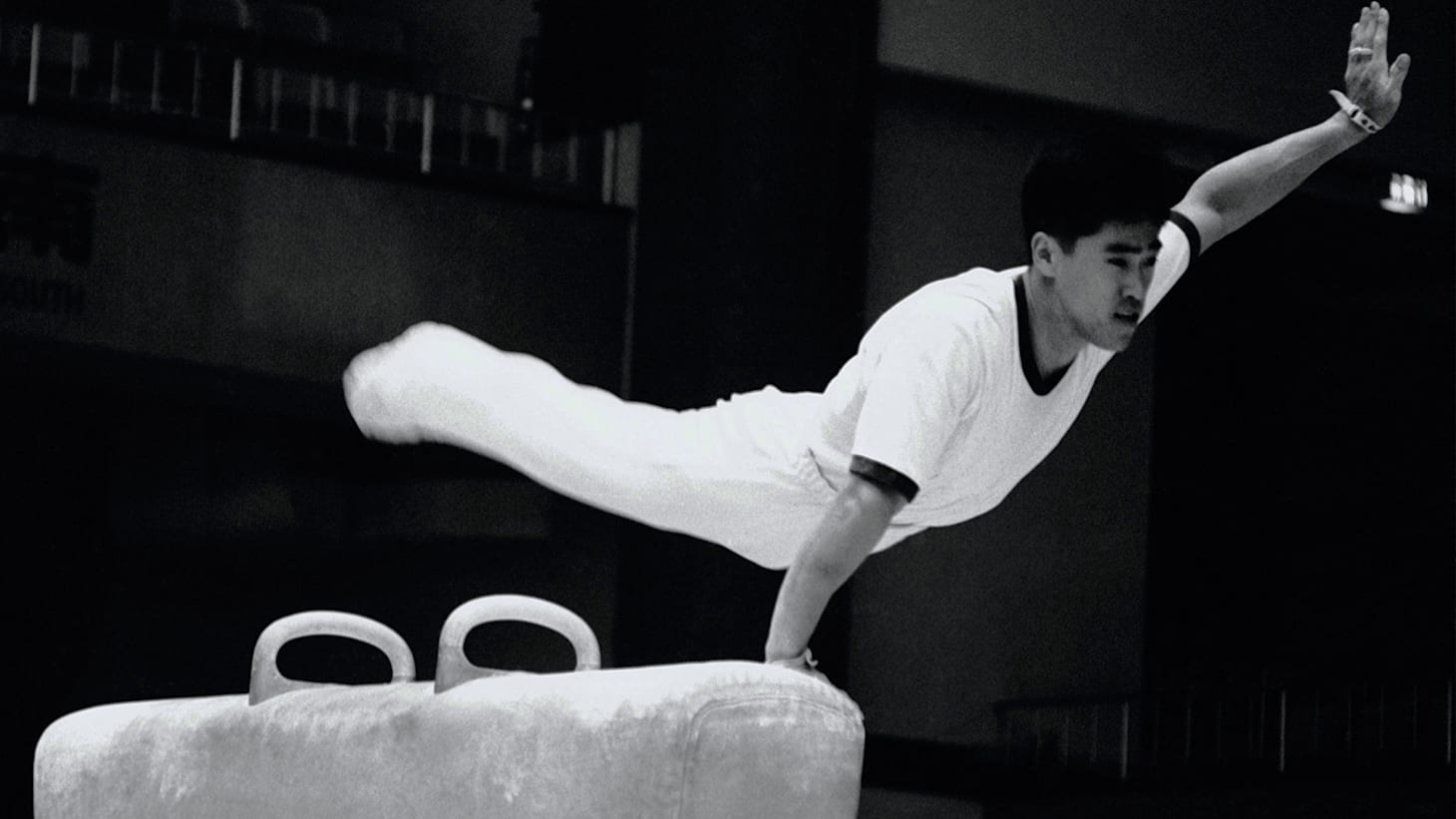
Yukio Endo
Japan
Artistic Gymnastics
Overall Ranks
#14 among Gymnasts
#8 among Male Gymnasts
#6 among Japanese Olympians
#5 among Japanese Gymnasts
Olympic Results
1960
Team - Gold
1964
Individual All-Around - Gold
Team - Gold
Floor Exercise - Silver
Parallel Bars - Gold
1968
Team - Gold
Vault - Silver
Total
Events - 24
Gold - 5
Silver - 2
Yukio Endo was born on January 18, 1937 in Yanaisado, Japan, the son of a pharmacist, and participated in gymnastics as a youth, but graduated from college before he made the Japanese Olympic team for the first time in 1960.
When they arrived in Rome, the Soviet team had won the past 2 team gold medals, with the Japanese taking silver in 1956. Endo was the 3rd-highest-scoring member of the team during the team event in Rome, and for the first time in their history, the Japanese won team gold, beating the Soviets by 2.5 points.
The individual all-around medals were determined based on performances during the team event, and Endo finished in 5th place among all participants, falling behind 2 of his teammates, and 2 members of the Soviet team. The top 6 in each individual apparatus qualified for the event finals, and Endo qualified for 2, the vault and the horizontal bar. He was tied for 6th on the parallel bars, but the tiebreaker went to Yury Titov of the USSR. He ended up finishing 4th in the horizontal bar and 5th in the vault, putting him in the top 5 in four events, but he earned only the team medal that year.
In 1962, he won the World Championship in the floor exercise, his only individual win in the world championships. By 1964, he had become the strongest member of the Japanese team, and when they went to defend their gold medal in Tokyo, they were successful, once again beating the Soviets by 2.5 points.
When the individual all-around scored were tabulated, Endo had pulled off a gold medal victory that was a small surprise. He had taken all-around silver at the last world championship, but he dominated this time, winning by 0.55 points, which was more than the gap between 2nd and 8th place. He also qualified for 5 of the 6 event finals, failing only in the pommel horse.
Endo was the top qualifier in floor exercise, and was the defending world champion, but in the final, he had his worst performance, and fell down to silver, while Franco Menichelli of Italy leapfrogged him for gold. He was the #3 qualifier in the vault, but another poor performance dropped him to 6th after the final.
The parallel bars were different, however. He was the top qualifier once again, but barely ahead of 3 others. He put up a 9.9 score in the final to run away with the gold, while nobody else exceeded 9.7. He was third qualifier in the horizontal bar, but fell to 5th after the final, and finished 6th in the rings despite qualifying at the top. He finished his home Olympics with 3 golds and a silver, but he could have had so much more.
Endo was back for his 3rd Olympics in 1968, but he was no longer the star of the Japanese team. He still performed well in the team event, but was 5th best on the strong Japanese team, as they won their third straight gold medal, this time beating the Soviets by 4.8 points.
Even though he was the 5th-best member of the Japanese team, that still was good enough to place him 8th overall in the individual all-around, and he qualified for 2 event finals, the vault and the horizontal bar. Endo was tied for second after qualifying in the vault, but after teammate Takeshi Kato struggled in the final, Mikhail Voronin of the USSR moved up to gold, while Endo stayed in silver medal position. Endo was put in the horizontal bar final after Sawao Kato decided not to compete, but he didn't improve from his 6th place entry into the final.
He retired after the 1968 Olympics, and became a coach and professor. He coached the Japanese team at the 1972 Olympics, where they again won gold, and was later president of the Japanese Olympic Committee. He died of cancer in Tokyo on March 25, 2009. With his qualifying scores, especially in 1964, he could easily have ended up with 11 Olympic medals, but he did end up with 7, five of them gold, including a dominant all-around win, making him one of the greatest Olympians of all time.

