Showing posts with label Cy Young Winner. Show all posts

Saturday, August 4, 2018

Top 106 Baseball Players: #4 - Bob Gibson


Bob Gibson

Bob Gibson was the first great modern power pitcher, who was largely responsible for the last change to the pitching mound and was an absolute monster in the World Series.

Gibson first appeared with the Cardinals in 1959, but was used sparingly through his first 2.5 seasons, partly due to racial prejudice on the part of his manager. When the manager was replaced midway through 1961, Gibson was installed as a full-time starter, and remained one for the remainder of his career.

He showed steady improvement, increasing his win total each year through 1966, but it was in the 1964 postseason when people really began to take notice. He started 3 games in the World Series, losing a close one in Game 2, then winning Games 5 and 7, the latter a complete game on 2 days rest, to earn the series victory for the Cardinals. He set a new World Series record with 31 strikeouts, and was named the MVP as well.

He had his first two 20-win seasons in 1965 and 1966, and was on pace for another when a ball hit by Roberto Clemente hit him in the leg, breaking his fibula in half. He missed 3 months, but returned in time to lead the Cardinals to the pennant, where he was again great. He pitched 3 complete games, giving up only 14 hits, and struck out 26 with an ERA of 1.00 as he won all 3 of his starts and won another World Series MVP.

In 1968 he had one of the greatest pitching seasons ever. He posted a live-ball era record 1.12 ERA, led the league with 268 strikeouts and 13 shutouts, and pitched 28 complete games. During June and July, he started 12 games, winning them all in complete games, 8 of which were shutouts. He also posted an 0.50 ERA during that time, and had a 47-inning scoreless streak as well, and was named both the Cy Young and MVP winner after the season.

In Game 1 of the World Series, Gibson set an all-time record with 17 strikeouts, still the most ever in a World Series game, and it was also just the second time ever that a pitcher struck out at least one batter in ever single inning of a World Series game. After that shutout, he pitched the Cardinals to another victory in Game 4, then started strong in Game 7 before giving up a 3-run triple in the seventh that ended up costing them the series. He struck out 35 in that series, breaking his own record, and would have easily been named MVP again with a 1.67 ERA if they had won, but they fell just short.

After that season, the league decided to lower the pitchers mound and reduce the size of the strike zone, a set of rules often referred to as the "Gibson Rules." He was still the top pitcher that season, matching his 28 complete games from the previous season, getting one more strikeout, while his ERA rose only to 2.18 despite the rule changes.

The following season he set another new career high in strikeouts and led the league in wins for the first time, which enabled him to win his 2nd Cy Young award. He was also used regularly as a pinch-hitter that year, hitting .303 in 109 at-bats, an amazing feat for a pitcher.

In 1971, he had 2 major accomplishments. He reached 200 wins first, then pitched a no-hitter 10 days later, the first of his career. In 1974, he became the second pitcher ever to reach 3000 strikeouts, and the first to do it in the NL.

Though he is not at the top of any major pitching leaderboards, he has a load of impressive accomplishments. He won 2 Cy Young awards and an MVP, and had one of the best pitching seasons ever in 1968. He was a 2-time World Series MVP, and still holds the World Series record for most strikeouts in a game and in a series, and he ranks first, second, and fifth on the second list. He was the first pitcher in over 50 years to reach 3000 strikeouts, and is definitely one of the greatest players ever to take the mound.


Thursday, August 2, 2018

Top 106 Baseball Players: #6 - Randy Johnson


Randy Johnson

Randy Johnson was one of the greatest power pitchers in history, and played a huge part in the only championship in Diamondbacks history.

Johnson began his career with Montreal in 1988, but after struggling to find his control, he was traded to the Mariners in 1989. During his first 3 seasons in Seattle, he led the league in walks allowed, a dubious distinction for a pitcher, and not generally a sign of future greatness.

Late in the 1992 season, he sought out Nolan Ryan to ask for advice, and Ryan helped him find the flaw in his delivery, and his entire career changed. He had led the league in both strikeouts and walks in 1992, but he would never lead the league in walks again, while finishing as the strikeout leader 8 more times.

In 1993 he became the top pitcher in the game, almost overnight, leading the league with 308 strikeouts, the first of many times he would reach 300. He was on pace for another 300-strikeout season in 1994 before the season ended early due to a strike.

He took his game to another level in 1995, and was finally recognized with his first Cy Young. He fell just short of 300 strikeouts, but still led the league, and also led the league in ERA at 2.48 and had an 18-2 record, good for the second-best win percentage in history. In his first career playoff series that year, he won two games against the Yankees, striking out 16 in 10 innings, including 3 innings in relief in the deciding Game 5.

A back injury limited him to 8 starts in 1996, but he came back to form in 1997 with 291 strikeouts, but requested a trade in 1998 when the Mariners refused to offer him an extension, and he got his wish minutes before the trade deadline, being dealt to the Astros. He had a 10-1 record in Houston, with a 1.28 ERA. He had the most strikeouts of any player in the league, though it didn't count as leading the league because it was split between the two leagues.

After his short stint in Houston, he signed with the Arizona Diamondbacks, who had just finished their first season. In his first 4 seasons in Arizona, he had 4 of the best pitching seasons in history, surpassing 300 strikeouts each time, setting an all-time record with 5 seasons in a row. He also won the Cy Young in all 4 seasons, tying Greg Maddux's record for consecutive Cy Young awards.

Johnson was incredible in the 2001 postseason, striking out 19 with a 1.13 ERA in 2 wins against the Braves in the NLCS, then pitching even better in the World Series. He struck out 19 against the Yankees as well, with an ERA of 1.04, while winning Games 2 and 6, then getting another win in relief in Game 7 as the Diamondbacks won their first and only championship, and he was named co-MVP of the Series, along with Curt Schilling.

In 2002 he won the pitching Triple Crown, winning 24 games, striking out 334, and recording an ERA of 2.32, which made him an easy choice for his 5th Cy Young, the second-most of any player in history. He missed most of the following season with various injuries, ending his streak of great seasons.

He had one more great season still in the tank, though, and he pulled it out in 2004, when he was 40 years old. He won the strikeout title yet again, became the oldest pitcher ever to throw a perfect game, and became the 4th pitcher ever to reach 4000 strikeouts. He finished as the Cy Young runner-up, the third time he had just fallen short of the award.

Over the final 5 years of his career, he reached some impressive milestones, including the 300 win mark, and passing Roger Clemens to take over 2nd place on the career strikeout list, behind his mentor, Nolan Ryan. He pitched his final game at age 46, and was elected to the Hall of Fame on the first ballot.

In addition to the record for consecutive 300-strikeout seasons and consecutive Cy Youngs, Johnson also holds the record for most strikeouts per 9 innings, with 10.61. He also holds the record for most strikeouts in a game by a lefty, with 20, and has 5 of the top 11 strikeout seasons in history. He was a very deserving World Series MVP in 2001, and one of the greatest players the game has ever seen.


Sunday, July 29, 2018

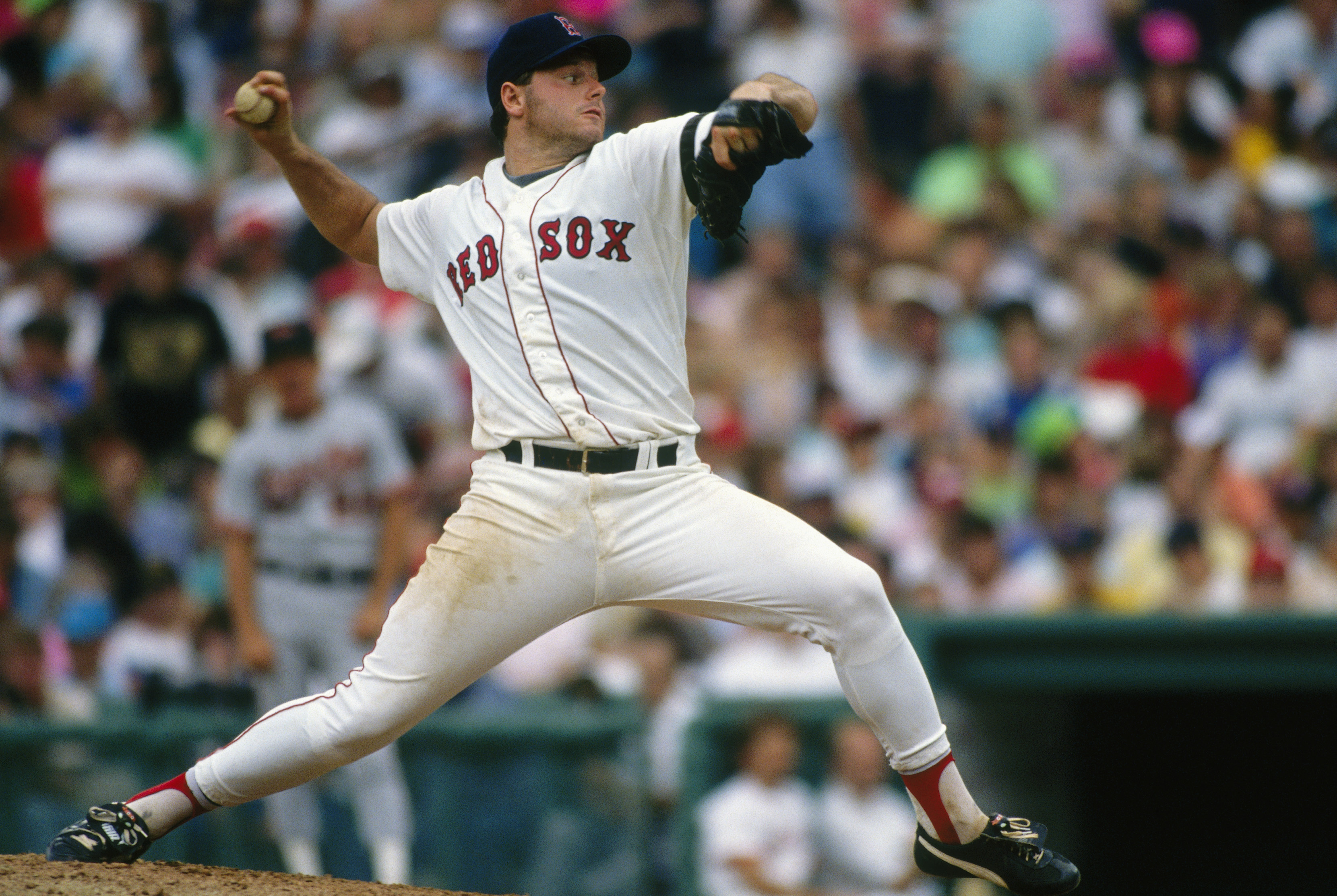
Top 106 Baseball Players: #10 - Roger Clemens*


Roger Clemens

Roger Clemens was a great pitcher over a very long period, and won more Cy Young awards than any other pitcher in history, but his career has been tainted by allegations of steroid use.

Clemens was called up to the Red Sox in 1984, and after pitching sparingly but well in his first two seasons, he jumped straight to superstar status in 1986. That year he led the league with a 2.48 ERA and 24 wins, with only 4 losses, and won both the Cy Young and the MVP. He also set the record for most strikeouts in a 9-inning game, when he sat down 20 batters in an April game, a number that has been matched twice since (3 if you count Randy Johnson's game that went to extra innings without him pitching).

The Red Sox reached the World Series that year, but Clemens did not pitch well enough to get Boston their first title in decades. He led the league in wins, complete games, and shutouts in 1987, and won another Cy Young as well. Though he still pitched just as well in 1988, he failed to win the Cy Young when his record fell to 18-12, though he did win his first strikeout crown that year.

From 1990 to 1992 he led the league in shutouts and ERA, and finished in the top 3 of the Cy Young voting each season, winning the award for the third time in 1991 when he took home the strikeout title as well. He struggled for the next four years, though he did win another strikeout crown in 1996, but it appeared that his best years were behind him, and when Boston did not offer him the contract he wanted, he signed with Toronto as a free agent.

He pitched 2 seasons for the Blue Jays, winning the pitching Triple Crown and the Cy Young award each time, but he grew tired of Toronto's mediocrity, and asked to be traded to a contender. He got his wish before the 1999 season, when he was traded to the Yankees, who had just won the World Series.

His numbers took an immediate nosedive when he reached New York, but he got his wish in the postseason, as he was a member of the championship team for the first time. He was better in 2000, especially in the playoffs. In his appearance in the ALCS, he pitched a complete-game one-hit shutout with 15 strikeouts against Seattle, then pitched 8 innings without giving up a run against the Mets in the World Series, earning him his second ring.

In 2001 he got off to a great start, becoming the first pitcher ever to start a season 20-1 and was awarded his 6th Cy Young award after the season. He pitched well through the postseason as well, and he held the Diamondbacks in check through 6 innings of Game 7 before Mariano Rivera blew a postseason save for the first time in his career, costing them the title.

Clemens pitched 2 more seasons for the Yankees, announcing before the 2003 season that it would be his last. During that season, he reached 300 career wins and 4000 strikeouts, doing both in the same game. Before the 2004 season started, he changed his mind on retiring, signing on with the Astros for a season, and he ended up with an 18-4 record and a 7th Cy Young, more than any other player in history, and he also became the oldest ever to win one at age 42.

He changed his mind about retirement again before the 2005 season, signing the largest contract ever for a pitcher, and had one of his best season, setting a career low in ERA at 1.87, but due to terrible run support his record was only 13-8. In April he pitched three straight shutouts that his team ended up losing 1-0 in extra innings.

Two months into his third retirement, he returned to the Astros again and pitched a decent season, then did the same thing the following year, pitching one final partial season with the Yankees before retiring from the Major Leagues for good, though he has pitched in the minors a few times since.

The biggest controversy of his career is the alleged use of steroids, which followed him for years. He was named in Jose Canseco's book on steroid use in baseball, as well as the Mitchell Report, and was indicted for lying to Congress about his use of steroids, though he was never convicted, and has never failed a drug test. The feeling among most fans and media members is that he probably did use PED's, and that has prevented him from being elected to the Hall of Fame, even though his career is first-ballot worthy.

In addition to the record 7 Cy Youngs, Clemens is one of 3 pitchers in the live-ball era to reach 350 wins, along with Greg Maddux and Warren Spahn, and is #9 among all pitchers in history in wins. He is also #3 in career strikeouts, behind Nolan Ryan and Randy Johnson. Even with the probable steroid use, there is no doubt that Clemens is one of the greatest baseball players of all time.


Friday, July 20, 2018

Top 106 Baseball Players: #17 - John Smoltz


John Smoltz

John Smoltz was the anchor of the Braves pitching staff for two decades, and though he wasn't usually the biggest star on the staff, he was a great pitcher and nearly always pitched his best in the postseason.

Smoltz first arrived in Atlanta in 1988 and made his first All-Star team in 1989, but his coming-out show was the 1991 playoffs. In the NLCS, he won both of his starts, including a complete game shutout in Game 7 to send the Braves to their first World Series in Atlanta, and he struck out 15 batters in his 15 innings of work. His ERA in the World Series was 1.26, but the Braves lost 1-0 in Game 7 after he was pulled in the 8th inning of a scoreless game.

His success continued into the next season, when he led the league in strikeouts for the first time, then performed even better in the postseason. Smoltz was named the NLCS MVP after winning two of his 3 starts and striking out 19 Pirates over 20 innings of work, with an ERA of 2.66. He also pitched well in his two World Series starts, helping the Braves fend off elimination in Game 5 before they fell to Toronto in the next game.

In the 1993 NLCS, he received his first postseason loss, despite not giving up an earned run, then had his only poor postseason run in 1995, the year that the Braves finally broke through and won the championship behind the great pitching of Greg Maddux. He would bounce back with his best season in 1996.

That year he won the Cy Young, breaking Maddux's streak at 4, leading the league with 24 wins and 276 strikeouts. He also set a franchise record with 14 straight wins during the season, then pitched even better in the playoffs, recording 33 strikeouts in 38 innings, while posting an ERA below 1.20 in all 3 playoff series, but they Braves fell to the Yankees in the title round.

He pitched well again in 1997, and was effective in 1998 and 1999 when he pitched, but he missed about a quarter of his starts to injury, and it culminated in him missing the entire 2000 season following Tommy John surgery. When he returned in 2001, he was ineffective as a starter, so he was installed as the team's closer.

In his first full season as the closer, he set the NL record for saves in a season with 55, and he spent the next 2 seasons as one of the best closers in the game. He also joined Dennis Eckersley as only the second pitcher ever to have a 20-win season and a 50-save season. After the 2004 season, he was put back into the starting rotation.

Smoltz recorded his 200th win in 2007, and his 3000th strikeout in 2008, both of which were notable. His 200th win came against Tom Glavine, his former teammate, and made him the only pitcher in history with 200 wins and 150 saves. The 3000th strikeout made him the 4th pitcher ever to reach that milestone with one team, joining Steve Carlton, Walter Johnson, and Bob Gibson.

When he retired, he had the most postseason wins of any pitcher in history, but he has since been passed by Andy Pettitte, so he now stands in 2nd place, just ahead of Greg Maddux. He was the only player who was with the Braves through all 14 of their record consecutive division titles, and pitched better in the postseason every season, with the exception of his championship season. Add it all together, and you have one of the greatest baseball players of all time.


Thursday, July 19, 2018

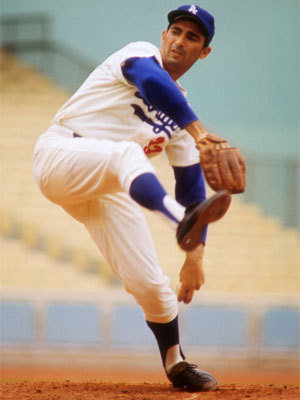
Top 106 Baseball Players: #18 - Sandy Koufax


Sandy Koufax

For a few years in the early 1960's, Sandy Koufax was the most dominant pitcher in baseball, but was forced to retire at age 30 due to a life-threatening arm injury.

Koufax was signed by his hometown Brooklyn Dodgers when he was 19 years old, and was not allowed to pitch in the minors because of the size of his signing bonus. Over his first 6 seasons, he struggled with control, and was often kept on the bench for weeks at a time, and he didn't even appear in the Dodgers' World Series victory in 1955.

The Dodgers reached the World Series again in 1959, soon after their move to Los Angeles, and this time Koufax was given a couple of appearances, pitching 2 perfect innings in relief in game 1, then started game 5, giving up only 1 run over 7 innings, but that run lost them the game 1-0. They ended up winning the series after the next game, so his small mistake did not cost the team too much.

After struggling through the 1960 season, Koufax was ready to quit baseball, but the team convinced him to come back for one more season, and it was a good thing he did. That season he led the league in strikeouts for the first time, then in ERA the following year, and that was just the beginning.

In 1963, he won his first Triple Crown, leading the league with 25 wins, 306 strikeouts, and a 1.88 ERA, and it resulted in him winning the Cy Young unanimously, becoming the first ever to earn every vote. In that season's World Series, he pitched 2 complete games, outpitching Whitey Ford in both of his games, and gave up only 3 runs while striking out 23, which earned him the World Series MVP.

Early in the 1964 season, he felt something pop in his elbow, and after using pain injections to pitch through the pain, they shut him down, but he still led the league in ERA for the third season in a row. In 1965, he was told not to throw at all between starts to avoid losing his arm, but he still had his best season, winning another Triple Crown and unanimous Cy Young and setting a new record with 382 strikeouts in the season (since broken by Nolan Ryan).

He threw a perfect game in 1965, which was his 4th career no-hitter, which was also a record until broken by Nolan Ryan. The Dodgers returned to the World Series that year, and Koufax sat out Game 1 due to Yom Kippur, instead starting Game 2. He was pulled after 6 innings, and the Dodgers lost that game to Minnesota, but he came back with complete game shutouts in Games 5 and 7, finishing with 29 strikeouts and another World Series MVP.

Before the 1966 season, he was told by the team doctor that his arm would not last another season, but he decided to go for one more year. He won the Triple Crown for the third time in 4 seasons, and a third unanimous Cy Young, and also got the Dodgers back to the World Series. He pitched well in Game 1, allowing only 1 run in 6 innings, but was pulled in hopes of having him pitch in Game 5, which never happened due to Baltimore's sweep.

Koufax announced his retirement a few weeks later, and due to his early retirement, he was eligible for the Hall of Fame sooner, and became the youngest player ever elected in his first season on the ballot. He is one of only 4 Hall of Fame pitchers to have more strikeouts than innings pitched in his career, along with Pedro Martinez, Randy Johnson, and Nolan Ryan, and though his career was short, and his dominant seasons even shorter, he was so great at his best that he has to be included among the greatest players of all time.


Wednesday, July 18, 2018

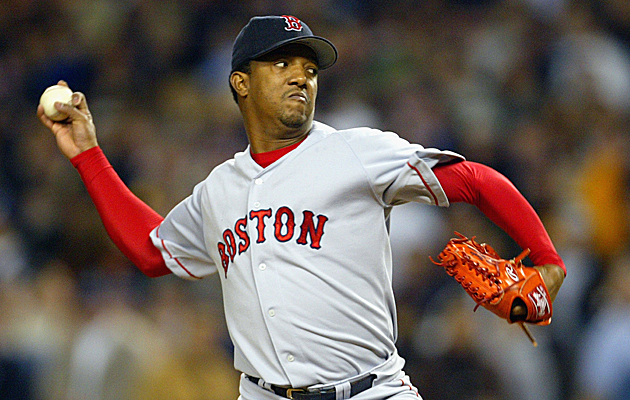
Top 106 Baseball Players: #19 - Pedro Martinez


Pedro Martinez

Pedro Martinez was the best pitcher in baseball for several years around the turn of the millennium, and a few of his seasons rank among the best seasons by a pitcher in history.

Pedro first pitched for the Dodgers in 1992, joining a team where his older brother Ramon was the star pitcher, but the team did not feel that he had the ability to be a starting ace, and he was traded to the Expos after the 1993 season.

He showed steady improvement through his first 3 seasons in Montreal, including a perfect game that he lost in the 10th inning in 1995 then took the league by storm in 1997, when he threw 305 strikeouts with an ERA of 1.90 and a league-leading 13 complete games. He won his first Cy Young that season, becoming the only Expo ever to win the award, and also became the only pitcher under 6 feet tall to ever throw 300 strikeouts in a season.

Rather than lose him to free agency the next year, Montreal traded Pedro to the Red Sox just days after he won the Cy Young, and his 7-year stretch in Boston was legendary. After coming in #2 in the Cy Young voting in his first season in Boston, he took home the award in 1999, when he won the Triple Crown with 23 wins, 313 strikeouts, and a 2.07 ERA. He was just as good in the playoffs, pitching 17 scoreless innings with 23 strikeouts, but they fell to the Yankees in the ALCS.

Between the end of 1999 and the beginning of 2000, he had 10 consecutive games with at least 10 strikeouts, 3 longer than the previous record of 7, which he also owned. He also set the record for consecutive innings with a strikeout, reaching 40 during 1999. He also became the first pitcher ever to start an All-Star game by striking out the side that season.

His very best season came in 2000, when he posted a 1.74 ERA, less than half of the next-lowest ERA, Roger Clemens' 3.70. He also set a record with a WHIP of 0.74 that season, allowing only 128 hits and 32 walks in 217 innings that season, and he was awarded his 3rd Cy Young in 4 years after the season.

A rotator cuff injury in 2001 caused him to miss half of the season, though he was still the best pitcher in the AL. He led the league in ERA and winning percentage in both 2002 and 2003, but was overlooked in the Cy Young voting each time, despite leading the winners in every major category each time.

In 2004 he had the highest ERA in his season up to that point, as it reached 3.90, but he was able to reach the World Series for the first time in his career, where he pitched 7 scoreless innings as Boston swept St. Louis to take home their first championship in decades.

After the title, he left Boston to sign with the Mets, where he had one more solid season, then faded into obscurity as injuries began to take their toll. He did get the opportunity to pitch in one more World Series with Philadelphia in 2009, but recorded a loss in each of his starts.

Martinez was the second-fastest pitcher to reach 3000 strikeouts, trailing only Randy Johnson, and is the only pitcher to retire with more than 3000 strikeouts in fewer than 3000 innings pitched. His career winning percentage of .687 is second to Whitey Ford in the modern era, and his peak was higher than any other modern pitcher. Though his great years ended abruptly, he is still definitely one of the greatest ever to play the game.


Sunday, July 15, 2018

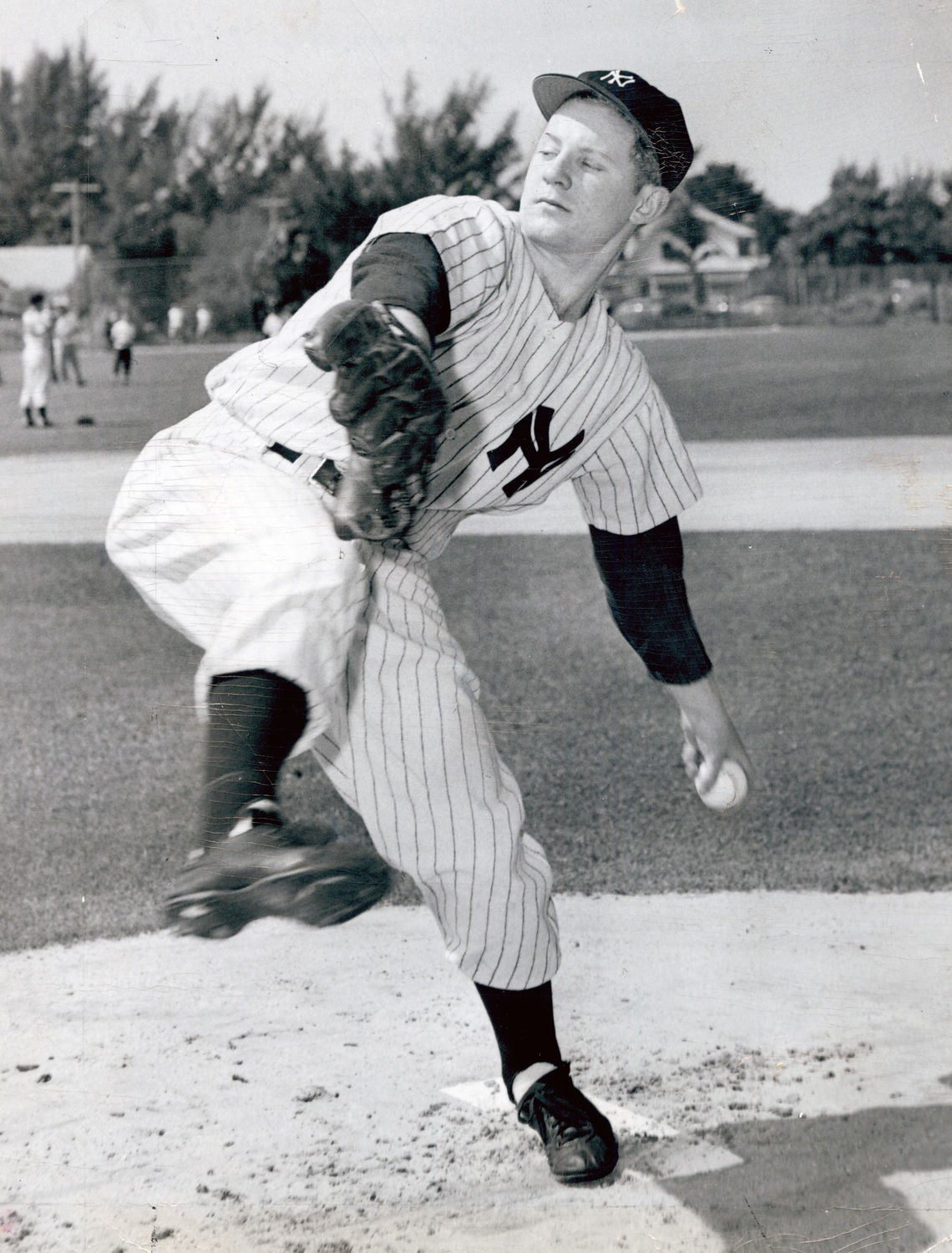
Top 106 Baseball Players: #22 - Whitey Ford


Whitey Ford

Whitey Ford was the greatest pitcher for the greatest dynasty in baseball history, pitching in the World Series in most of the seasons in his career and setting numerous World Series records along the way.

Ford first pitched for the Yankees in 1950, accumulating a 9-1 record and finishing as the runner-up in the Rookie of the Year voting. Ford pitched the decisive game 4 of the World Series that year against Philadelphia, pitching all but the final out without giving up an earned run as they took home a repeat championship.

He spent the next two years with the military in Korea, then returned to the team in 1953 having missed out on 2 championships along the way. He had an 18-6 record that year and won another championship, making it 5 in a row for the Yankees, a record that no team has reached since.

Ford was used sparingly by Casey Stengel throughout the 1950's, with the manager hoping to keep his arm well-rested for the playoffs each year. He was the top pitcher in the league in 1958, recording a 2.01 ERA and 7 shutouts, both best in the league, but didn't receive a single MVP or Cy Young vote for some reason.

Ford holds the record for most consecutive Game 1 World Series starts, with 4, a feat he accomplished twice in his career. The exception came in 1960, when he was held out until game 3, which turned out to cost the Yankees the title. He pitched complete game shutouts in games 3 and 6, but was unavailable to pitch in relief in game 7 and they lost the Series to Pittsburgh, costing Stengel his job.

With a new manager the next year, Ford became a superstar, reaching 200 strikeouts for the first time and recording 25 wins to go with only 4 losses. He received the Cy Young Award after the season, then kept it going in the World Series, pitching 14 shutout innings while giving up only 6 hits, which earned him the World Series MVP award as well.

After 4 more seasons and another championship, his shoulder gave out, and he was forced to retire. He is still the Yankees' all-time leader in pitching wins, and his .690 win percentage is the highest of any pitcher since 1900 with at least 150 wins. The Yankees win percentage in games he did not pitch during his career was .576, so his high percentage cannot be attributed to the team he played for.

He also had a career ERA of 2.75, second-lowest of any pitcher in the live-ball era, trailing only Clayton Kershaw currently. He recorded 10 victories in the World Series, more than any other pitcher ever, and pitched 33 consecutive scoreless World Series innings, another record that remains untouched, though Mariano Rivera has bested it as a postseason record. Though his career ended up being somewhat short, he was the best pitcher on the Yankees during their most dominant run, completely dominated in the World Series two years in a row, and belongs in this place among the best players to ever take the field.


Friday, June 29, 2018

Top 106 Baseball Players: #36 - Tom Seaver


Tom Seaver

Tom Seaver was the best pitcher in baseball for many years, and was the man who put the Mets on the map.

Seaver joined the Mets in 1967, and was so good that he won the Rookie of the Year award that season, with an ERA of 2.76. In his second season, he reached 200 strikeouts for the first of nine consecutive seasons, which is still the all-time record.

He won the Cy Young Award in his third season after leading the league with 25 wins, and he nearly threw a perfect game that season, losing it with 2 outs to go. The Mets also won their first ever World Series that season, and though Seaver gave up a bunch of runs in his 3 postseason starts, he still won 2 of those games, and became a champion.

Seaver was the best pitcher in baseball for the next 2 seasons, though he did not win the Cy Young either time. He led the league with a 2.82 ERA and 283 strikeouts in 1970, and also set a record by striking out 10 consecutive batters in a game while tying the record with 19 in that game, although that record has been surpassed. He then had his best overall season in 1971, with a 1.76 ERA and 289 strikeouts, both tops in the league and the best in his career.

He had a slightly down year in 1972, then bounced back in 1973 by leading the league in strikeouts and ERA for the third time in 4 seasons, and took home his 2nd Cy Young. He also helped the Mets to get back to the World Series that season, and pitched extremely well, posting and ERA under 2.00 with 35 strikeouts in 4 appearances, but the Mets fell to the A's, denying him a chance at another title.

In 1975 he led the league in wins and strikeouts, marking the 4th time that he had fallen one category short of the pitching Triple Crown. He did, however, win the Cy Young again, giving him 3 in his career. He attempted to renegotiate his contract during the 1977 season, but after reaching an impasse, he was traded to the Reds.

In his first full season in Cincinnati, Seaver threw his first no-hitter after having 5 one-hitters as a member of the Mets. In 1981, he had another stellar season, finishing with a 14-2 record, which was the best in the league by wins and win percentage, and earned him the runner-up spot in the Cy Young voting, 12 years after he had won his first. He also reached 3000 strikeouts that season, the 5th pitcher ever to reach that mark.

Seaver bounced around for a few more years, reaching his 300th win in 1985 before retiring after the 1986 season. He is one of 2 pitchers in history with 3000 strikeouts, 300 wins, and an ERA below 3.00, along with Walter Johnson. He also has the second-most shutouts of any pitcher since 1920, trailing only Warren Spahn.

Spahn still holds the all-time records for consecutive strikeouts and consecutive 200-strikeout seasons, and led his team to 2 World Series, winning one. He was the Cy Young winner 3 times, though he should have had 6, and is the greatest player in the history of the Mets, and also one of the greatest baseball players of all time.


Wednesday, June 27, 2018

Top 106 Baseball Players: #38 - Steve Carlton


Steve Carlton

Steve Carlton was a great pitcher for well over a decade with the Philadelphia Phillies, and a former holder of many of the most prestigious records for pitchers.

Carlton first pitched for the Saint Louis Cardinals in 1965, and he had a couple of pretty good seasons with the Cardinals, but it was after he left that he became a real superstar. He pitched in the World Series for Saint Louis in 1967 and 1968, being tagged with a loss in the 1967 Series after pitching 6 innings and giving up only one unearned run, but he did earn a championship ring with that team.

The first record that Carlton broke in his career was the single-game strikeout record, which he took in 1969 when he struck out 19 New York Mets in one game, though he lost that game 4-3. That record has been exceeded on a few occasions, but it is one of the big ones for pitchers.

After winning 20 games for the first time in 1971, he demanded a higher salary, and instead was traded to the Phillies. During his first season with the team, he had one of the greatest pitching seasons ever. He won the pitching Triple Crown with 27 wins, a 1.97 ERA, and 310 strikeouts, and was also given the Cy Young unanimously. He also pitched 30 complete games that season, and set a record for winning the largest percentage of his team's games in history, winning 27 of his teams 59 wins that season, good for 46% of their total wins.

His 1973 season was a complete reversal, as he led the league in runs allowed and losses. He won the Cy Young again in 1977 after leading the league with 23 wins, and another in 1980. That season he was on top again with 24 wins and 286 strikeouts, and he also pitched 304 innings, a number that has not been reached since.

In that year's postseason, he went 3-0 with 23 strikeouts and won the final game of the World Series to earn his second championship, achieving the rare feat of being the best pitcher in both the regular season and the postseason in the same year.

He won his 4th Cy Young award in 1982 after leading the league in wins, complete games, shutouts, innings pitched, and strikeouts, and he became the first pitcher ever to reach 4. That mark has since been tied by Greg Maddux and exceeded by Roger Clemens and Randy Johnson. He also held the all-time strikeout record on several occasions from 1983 to 1984, when he and Nolan Ryan both surpassed Walter Johnson's record within weeks of each other, then kept passing the record back and forth for about a year, with Ryan eventually pulling away from Carlton.

Carlton was once the record holder for single-game strikeouts, career strikeouts, and Cy Young awards, though he no longer holds any of them. He struck out 4136 batters in his career, which was the most by a lefty at the time, since surpassed by Randy Johnson. He was twice a World Series champion, and was the best pitcher on one of those teams, and definitely one of the greatest players of all time.


Monday, June 18, 2018

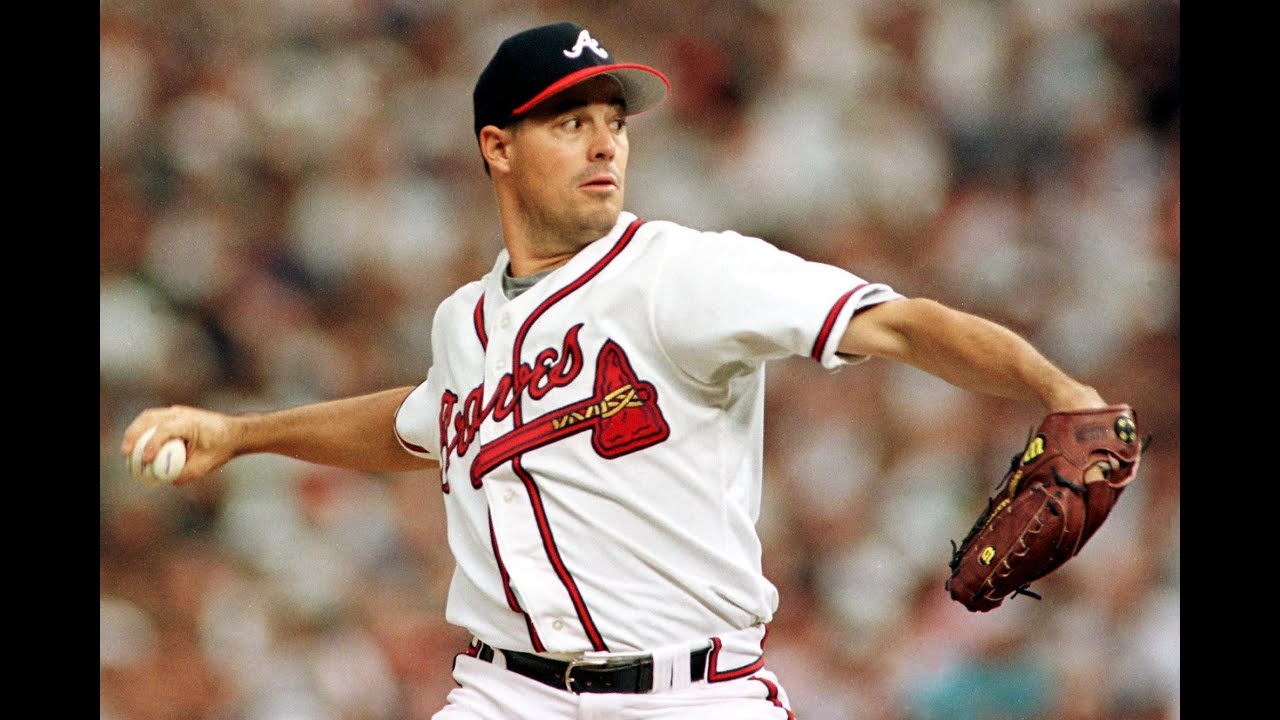
Top 106 Baseball Players: #46 - Greg Maddux


Greg Maddux

Greg Maddux was one of the most dominant pitchers in recent memory, and his run of Cy Youngs in the 1990's was one of the most amazing runs in baseball history.

Maddux reached the Majors in 1986 with the Cubs, and in his final start of the season had the rare opportunity of pitching against his brother Mike, who was also a rookie pitching for the Phillies. Younger brother Greg won the matchup, earning his second career win.

He posted a losing record in 1987, his first full season, but he would not have another losing record for 18 years. He improved steadily over the next several seasons, culminating in his first Cy Young season in 1992, when he recorded a 2.18 ERA and led the league in wins, starts, and innings pitched.

He was unable to negotiate a new contract with the Cubs after that season, so he signed with the Atlanta Braves, and he was even better than expected when he arrived. He led the league in ERA and complete games that season, and won his second straight Cy Young.

During the strike-shortened 1994 season, he led the league in ERA and shutouts again, along with wins and shutouts, and his ERA of 1.56 was the lowest of any pitcher since 1968. That year he finished #5 in the MVP voting and was the unanimous choice for the Cy Young award, his third in a row.

After three straight great seasons, he somehow had his best season in 1995. He finished with a 19-2 record, an ERA of 1.63, 10 complete games, and 3 shutouts, and a second straight unanimous Cy Young, and 4th in a row overall, something that had never been done before and has only been done once since.

That was also the year that Atlanta finally broke through in the playoffs. Maddux had pitched in the NLCS twice before, but 1995 was his first time in the World Series, where he gave up only 4 earned runs over 16 innings as the Braves beat the Indians to take home the championship.

In 1996 his ERA "ballooned" to 2.72, and he finished 5th in the Cy Young voting, breaking his winning streak at 4. The Braves returned to the World Series, and Maddux had his best postseason up to then, giving up only 7 runs in 37 innings, but the Braves fell to the Yankees in the championship round.

He pitched several more good seasons for Atlanta, even leading the league in ERA again in 1998, but nowhere near the level he was at during his Cy Young peak. He set a league record with 17 straight seasons of at least 15 wins, and is only of only 4 pitcher to record an ERA lower than 1.65 since 1920, and the only one to do it twice.

Maddux is #8 all-time in games won, trailing only Warren Spahn in the live-ball era, and is the only pitcher in history with more than 300 wins, 3000 strikeouts, and fewer than 1000 walks (999 to be exact). His playoff record of 11-14 was somewhat lacking, but he was great in 3 World Series seasons, and reached a level of dominance rarely seen during his Cy Young streak, and there is no doubt he belongs here among the top 50 players of all time.


Tuesday, June 5, 2018

Top 106 Baseball Players: #58 - Warren Spahn


Warren Spahn

Warren Spahn is one of the greatest left-handed pitchers of all time, and he was able to change up his game enough over his long career that he was still a star players in his 40's.

Spahn first pitched for the Boston Braves in 1942, but didn't perform well in 4 appearances and was sent back to the minors. At the conclusion of the season, he joined the Army and was shipped out to Europe, where he fought in the Battle of the Bulge and was awarded a Purple Heart.

When he returned from war in 1946, he joined the Braves again and finished the season off solidly. Many feel that he lost precious years from his career by fighting in World War II, but he felt that the war helped prolong his career, by allowing him to come back more mature and stronger.

He pitched his first full season in 1947, and he led the league with 7 shutouts and a 2.33 ERA while also winning 21 games, the first of 13 times he would reach the 20-win plateau. The following season the Braves reached the World Series, and Spahn pitched well, striking out 12 in 12 innings of work while giving up only 4 runs, but the Braves lost the Series to the Indians.

Over the next 2 seasons he led the league in both wins and strikeouts, falling just one category short of the Triple Crown. He would lead the league in strikeouts in the next 2 seasons as well, making it 4 in a row. The next year, he led the league in wins and ERA, but not in strikeouts, missing one category for the Triple Crown for the third time in 5 years.

After a couple of down seasons, Spahn experienced a career renaissance in 1957, when he won his only Cy Young. That season also started a streak of 5 straight seasons leading the league in wins and 7 straight seasons leading in complete games, a streak that was still active when he was 42. He finally earned his World Series title in 1957, although he struggled in that season's Series.

The Braves returned to the World Series in 1958 to face the Yankees again, and this time Spahn pitched very well, pitching 2 complete game wins and recording 18 strikeouts, but the Yankees got revenge on the Braves that year. It would be his best and final postseason.

Spahn threw his first no-hitter in 1960, at the age of 39, becoming the oldest ever first-time no-hit pitcher, and he repeated the feat again the next season. He also won his only 2 Player of the Month awards in those two seasons, both coming in August, and both times after amassing a 6-0 record for the month. Spahn truly got better with age.

His most famous pitching performance came at age 42, when he and 25-year-old Juan Marichal each pitched a complete 16-inning game that was scoreless until Willie Mays hit a home run in the bottom of the 16th. At one point late in Spahn's career, Stan Musial said that Spahn would never reach the Hall of Fame, because he would never stop pitching.

Spahn did eventually retire, and when he did, he was #6 on the all-time wins list, a position he still holds. He is also the winningest left-handed pitcher of all time, and holds the NL record for home runs hit by a pitcher, with 35 in his career, and at least one in 17 straight seasons. He had two different long stretches as one of the top pitchers in the league, and is an obvious choice to appear on the list of the top players of all time.


Saturday, May 5, 2018

Top 106 Baseball Players: #86 - Clayton Kershaw


Clayton Kershaw

Clayton Kershaw is the second active player to appear in my countdown, and the final active pitcher, and is also the youngest player in the countdown by about 5 years, and though he is probably only about halfway through his career, he has definitely done enough so far to deserve a spot on this list.

Kershaw reached the majors in early 2008, at age 20, and was the youngest player in the league for that entire season. He pitched pretty well in his second and third seasons, but he became the dominant superstar we all know in his 4th season, when he completely took the league by storm.

That year, Kershaw took home the pitching Triple Crown, leading the NL with 21 wins, a 2.28 ERA, and 248 strikeouts, and was awarded the Cy Young Award as well, becoming the youngest pitcher to earn the award in his lifetime.

The next season he was still the best pitcher in all of baseball, but his numbers were not quite as gaudy, so as a result he was not given the Cy Young he deserved. He still led all of baseball in ERA again, but slight dips elsewhere caused him to be voted runner-up.

The next year he led the league in strikeouts once again, while dropping his league-leading ERA even lower than he had before, finishing at 1.83, the lowest of any player since the year 2000. He won his second Cy Young that year, and even earned his first playoff victory, when he struck out 12 in 7 innings against Atlanta, before falling back to earth in the NLCS against Saint Louis.

Even after that amazing season, he found a way to improve again in 2014, improving in every single pitching category that is tracked. He led the league in ERA for the 4th straight year, the only pitcher ever to do that, and took home his 3rd Cy Young as well as the NL MVP, the first pitcher to win the award in 46 years.

In 2015, he set a career high and led the league with 301 strikeouts, but because his ERA "ballooned" to 2.13, he only came in 3rd in the Cy Young voting, though it was his 5th straight year in the top 3. Those 5 seasons represent one of the greatest 5-year pitching stretches in history.

Kershaw's weakness has always been the playoffs, where his career ERA is 4.35, nearly 2 runs higher than his regular season ERA of 2.37, which is the lowest of any pitcher in the past 100 years. He has had some great games in the playoffs, but doesn't seem to have the same consistency as usual in the postseason.

Kershaw has the best ERA, win percentage, WHIP, and number of shutouts among all active pitchers, and many of those numbers are also very high among all-time pitchers, including those from the dead-ball era. If he is able to maintain the same level of play for another decade, he would be one of the top 10 players of all time, and a couple of World Series wouldn't hurt either.


Tuesday, May 1, 2018

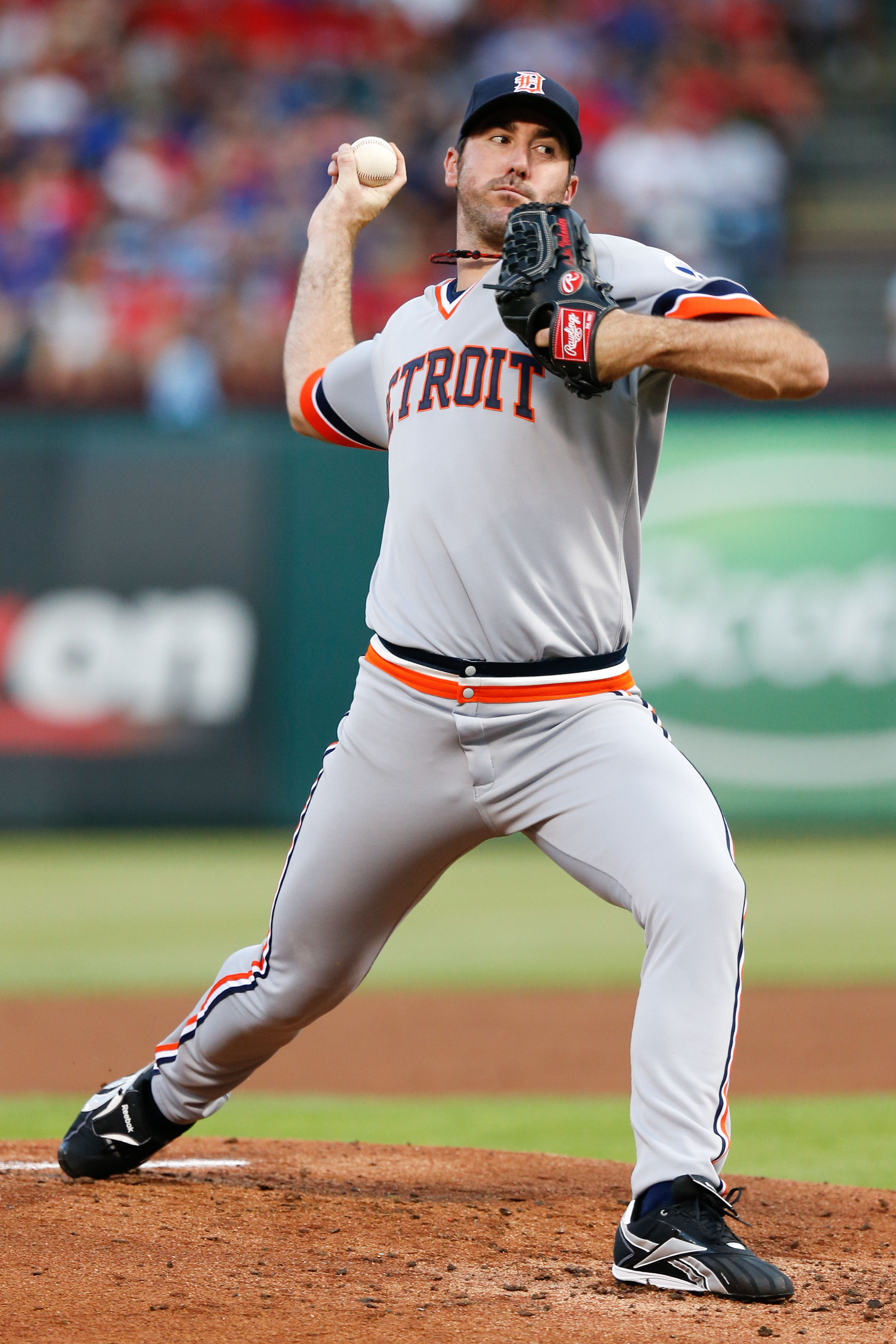
Top 106 Baseball Players: #90 - Justin Verlander


Justin Verlander

Justin Verlander is the first active player to appear in my rankings, and his extended period of great pitching for the Tigers and the Astros has definitely earned him this honor.

Verlander pitched a couple of forgettable games for the Tigers in 2005, before being called up full-time in 2006, where immediately set the league on fire. He became the first rookie ever to win 10 games before the end of June, and he ended the season with the AL Rookie of the Year Award. He also made his first World Series appearance that year, but was terrible, giving up 12 hits and 10 runs in 11 innings, and being responsible for 2 losses.

He was pretty good in 2007, then had a major slump in 2008, but he finally found his form in 2009, when he led the league in wins and strikeouts while finishing 3rd in the Cy Young voting.

2011 is when he really made his mark. He led the league in wins and strikeouts again, but this time he also had the lowest ERA, earning him the pitching Triple Crown. Clayton Kershaw matched the feat in the NL, making it the first time since 1924 that each league had a Triple Crown pitcher in the same season.

He not only won the Triple Crown that year, he was also awarded the AL Cy Young award by unanimous vote, the 16th player ever to receive every first place vote, a club that would later be joined by Clayton Kershaw as well. He was also awarded the AL MVP award, the first pitcher in 19 years to earn it, which also made him the second pitcher in history to earn Rookie of the Year, MVP, and the Cy Young during their career, joining Don Newcombe.

The following year he finished #2 in ERA, while still leading the league in strikeouts and innings pitched, but lost in the closest Cy Young vote in history. He took it out on the rest of the AL in the playoffs, where he gave up only 2 runs in over 24 innings while striking out 25 and leading the Tigers to the World Series, but gave up 5 runs in 4 innings of his World Series game as the Tigers fell short again.

In the next season's playoffs he had his best performance to date, starting 3 games and giving up just one run while striking out 31 batters in 23 innings, but the Tigers only won one of those 3 starts, with the 2 losses both coming by a score of 1-0. Even though they did not reach the World Series, he was by far the best pitcher of the postseason.

A variety of injuries hampered him over the next two years, but in 2016 he was back at full strength, and he showed it by leading the league in strikeouts for the 4th time, and came in 2nd in the Cy Young voting again, this time in the 2nd-closest voting of all time, and it was also the first time in AL history that the player with the most 1st-place votes did not win the award.

Verlander was traded to the Houston Astros late in the 2017 season, where he gave up only 4 runs in his 5 regular season starts, before dominating his way through the playoffs once again, giving up only 4 runs in over 24 innings of work en route to his 3rd World Series appearance, where the Astros were able to defeat the Dodgers to earn their first and his first championship, and Verlander was named co-MVP along with Jose Altuve.

In his career, Verlander has led the league in strikeouts 4 times, had 3 Cy Young-quality seasons (though just one official award), 3 dominant playoff runs, an MVP award, and a World Series ring and MVP, and he is off to a great start again in 2018, so he may not be done climbing the list of all-time greats.


Saturday, April 14, 2018

Top 106 Baseball Players: #104 - Jim Palmer


Jim Palmer

For the Baltimore Orioles, the Jim Palmer era represents the glory days. Palmer is the only player who appeared in all 6 World Series in Orioles history, and he was one of the best pitchers in baseball for a full decade, consistently finishing near the top of the Cy Young voting.

Other than his high leg kick, not much about Palmer's game was flashy. He wasn't a strikeout master, but he was a workhorse and extremely consistent, winning at least 20 games 8 times in 9 years during the 1970's. He led the majors in innings pitched 4 times, starts twice, batters faced twice, and complete games once, and his career spanned 19 seasons with Baltimore.

He also had a reputation for not giving up big plays, proven by the fact that he never gave up a Grand Slam or back-to-back home runs in his entire career. He was the league leader in ERA twice, and still has the third-lowest career ERA of any starting pitcher since 1920. Those traits were a large part of the reason that his teams consistently made the playoffs and reached the World Series.

In his first World Series appearance in 1966, he pitched a complete game shutout against the Dodgers, becoming the youngest pitcher ever to do that, and he still holds that record. The feat is even more amazing considering the fact that the opposing pitcher that day was Sandy Koufax, and that the Dodgers were huge favorites to win the Series. The Orioles ended up pitching two more shutouts in a row to sweep LA and take their first-ever title.

In the 1970's, he pitched more innings and won more games than any other AL pitcher. He also won 3 Cy Young Awards and finished in the top 5 three other times, while also picking up 4 Gold Gloves and another World Series ring in 1970. Palmer was the gold standard for pitching in the decade.

By 1983, he was 37 years old and no longer a regular in the rotation, but he was brought in in relief during Game 3 of the World Series, and threw 2 shutout innings to clinch the victory and earn the win, making him the only pitcher in history to win a World Series game in 3 different decades. He retired midway through the following season, and the Orioles have not returned to the World Series since.

Palmer was elected to the Hall of Fame in 1980 in his first year of eligibility, with 92.6% of voters including him on their ballot. He may not have been a huge star, but much like David Cone below him, he was a very good pitcher for a very long time, he helped his team win when it mattered, and he was very consistent and reliable throughout his career.


Friday, April 13, 2018

Top 106 Baseball Players: #105 - David Cone


David Cone

David Cone was never the best pitcher in the league, and never really reached superstar status, but he was in the upper echelon of Major League pitchers for about a decade, even as he switched teams every couple of years, and he accomplished quite a few impressive feats over his long career.

One of the highlights of the early part of his career was a 19-strikeout performance he recorded for the New York Mets while facing the Phillies on the final day of the 1991 season, which is still tied for the second-most ever in a single game. He had joined the Mets in a trade immediately after their 1986 World Series title, but the team grew progressively worse over his time there, though it was the strongest phase of his career statistically.

He became a World Series champion the following year after a late-season trade to Toronto, but he was merely a serviceable starter during the championship run, despite having led the league in strikeouts for the 3rd consecutive season. He left for his hometown Kansas City Royals the next year, where he was awarded the AL Cy Young Award in the strike-shortened 1994 season.

After another short stop in Toronto, he was traded to the New York Yankees, where he earned four more World Series rings in his stay of just over 5 years. He did not perform well in his first and last World Series with the Yankees, but in 1999 he was very good, allowing only 1 hit in 7 innings of his start against the Braves.

Earlier that season he had joined a very exclusive club when he threw a perfect game against the Montreal Expos, one of only 23 players to accomplish that to date, and the circumstances were pretty special. That night was Yogi Berra night at Yankee Stadium, and Don Larsen, who had thrown a perfect game in the World Series for the Yankees years earlier, had thrown out the first pitch and was in attendance at the game. It is still the only perfect game in interleague play, other than Larsen's World Series perfecto.

His long career as one of the better pitchers in the league wasn't enough to impress the Hall of Fame committee, only receiving votes from 3.9% of the voters, which was not enough to keep him on the ballot for the next year. He is still the only pitcher to have a Cy Young, 19-strikeout game, and 5 World Series titles, and for that reason, he has earned the right to be remembered as one of the best baseball players of all time.