Showing posts with label AL MVP. Show all posts

Tuesday, August 7, 2018

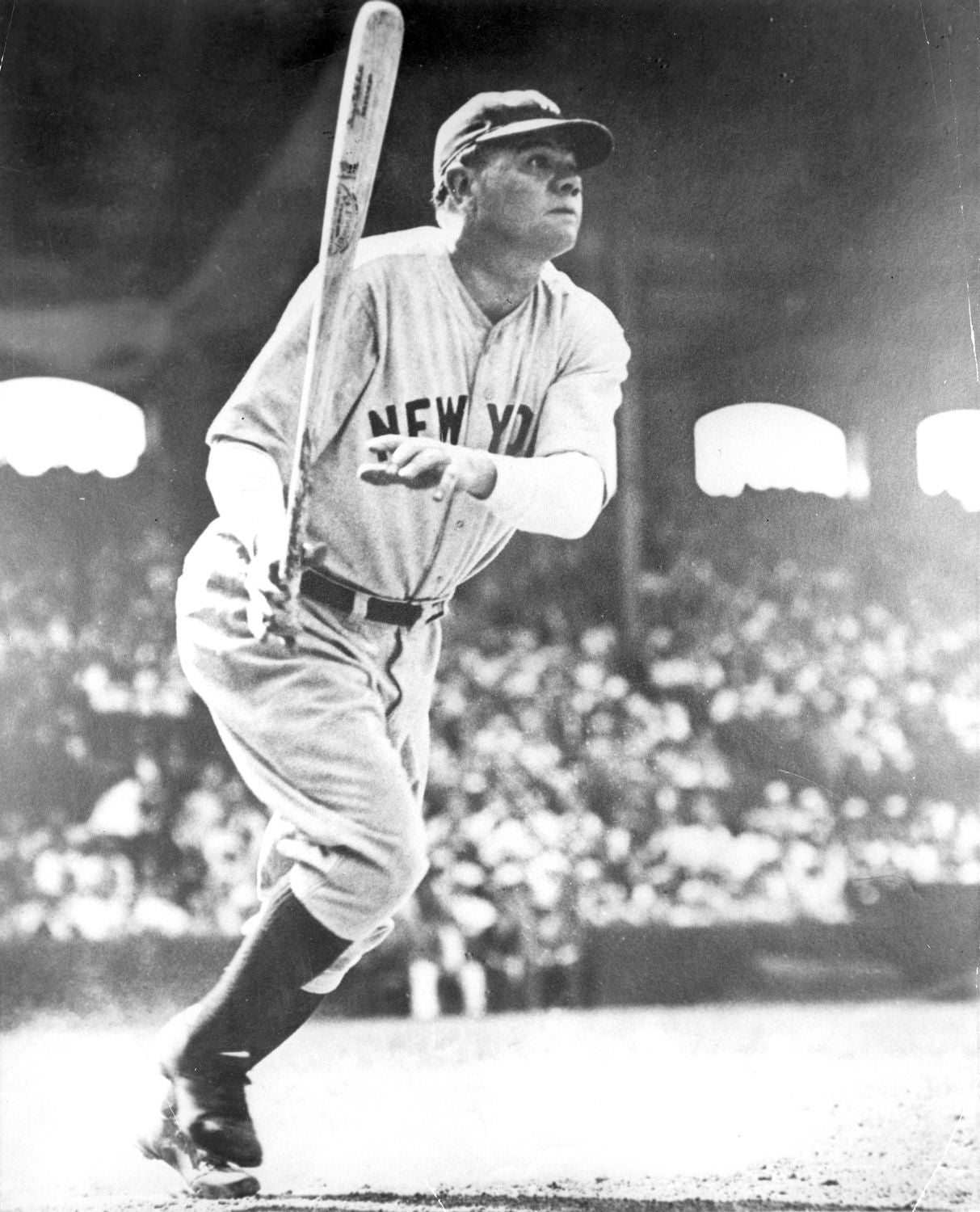
Top 106 Baseball Players: #1 - Babe Ruth


Babe Ruth

Babe Ruth is the greatest baseball player of all time, and it isn't even close. Even if you remove all of his pitching performances from his statistics, he is still the greatest of all time by a considerable margin.

Ruth joined the Red Sox in 1914, but was hardly used as a rookie. He started out as a pitcher, and in his third season he led the league in ERA and shutouts, and also led the Red Sox to the World Series, where he had the best pitching performance of anyone that year, pitching a 14-inning complete game that Boston won 2-1 over Brooklyn.

After the 1917 season, he grew tired of only playing once or twice a week, and asked to be used in the outfield more often. He was used occasionally in that role in 1918, but because the Red Sox were in the pennant race, they wanted to use him more as a pitcher. He did tie for the league lead with 11 home runs that year, and he also ended up with his second title.

With the Red Sox out of the running pretty early in 1919, they allowed him more time in the outfield, and he took full advantage, breaking the previous home run record by hitting 29, 2 more than the old record. With the owner short on cash after the season, and recognizing the value he was sitting on, Ruth was sold to the Yankees for $100,000.

In his first season in New York, he obliterated his own record, hitting 54 home runs to nearly double his record from the previous season, and he finished far ahead of the next-highest total of 19 that year. He also led the league in runs scored, RBI's, walks, on-base percentage, and slugging percentage, making him easily the best player in the league.

The next year was his best overall. He broke the home run record again, this time upping it to 59, far ahead of the 24 of his nearest competitor. He also led the league with 177 runs, 168 RBI, and 145 walks, and batted .378 for the season. He also took over the career home run lead that season when he hit #139, and he would extend that record nearly 600 more times over the course of his career.

Ruth was suspended for the first 6 weeks of the 1922 season for playing exhibition games following the World Series, which was not allowed at the time. The rule was changed before the season ended, but it was enough to prevent Ruth from winning the home run title for one of the few times in his career.

When he returned in 1924, he played like a man on a mission, leading the league in all of his regular categories while batting a career high .393 and leading the Yankees to the World Series for the third year in a row against the New York Giants, with which they shared a stadium. He had a great series, batting .368 with 3 homers and 8 walks, and finally defeated the Giants on their third attempt.

Ruth missed much of the 1925 season due to a mysterious belly problem, probably the result of overindulgence in alcohol and hot dogs. He came back strong in 1926, having another Ruthian season, and led them back to the World Series, where he had his best postseason series, hitting 4 home runs and walking 11 times, but the Yankees lost to the Cardinals in 7.

In 1927 he broke his home run record one more time, reaching 60, a number that would not be touched for 34 seasons. He also had another good postseason, batting .400 with 2 home runs and 7 RBI in the World Series as the Yankees swept Pittsburgh. They repeated the feat in 1928, with Ruth hitting .625 with 3 home runs in a sweep of the Cardinals.

He spent a few more seasons as the best player in baseball, leading the league in home runs 3 more times, making it a total of 12 seasons in his career. He also led the league in RBI's 5 times in his career, runs 6 times, and walks 11 times. He retired as the all-time leader in home runs, RBI's, walks, and slugging percentage, and is still in the top 3 in each of those categories, and still leads in slugging. There has never been a player who dominated in the way he did, and he did it for over a decade, so there is no doubt at all that he is the greatest player of all time, and may be forever.


Monday, August 6, 2018

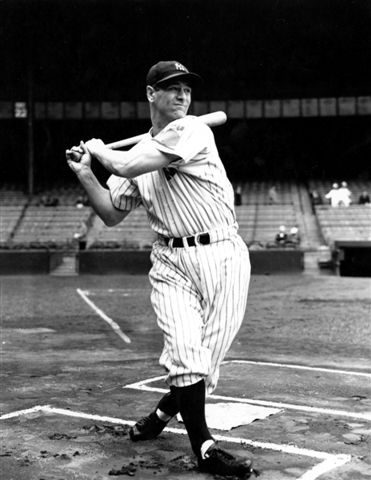
Top 106 Baseball Players: #2 - Lou Gehrig


Lou Gehrig

Lou Gehrig was a great all-around player who rarely missed a game before he was forced into an early retirement by the disease that was named for him and took his life soon afterward.

Gehrig first joined the Yankees in 1923, as a 19-year-old, and was used sparingly as a pinch hitter in his first two years, and wasn't included on the postseason roster when they won the 1923 World Series. Midway through the 1925 season, first baseman Wally Pipp sat out with a headache, allowing Gehrig to start the game, and he didn't sit out another game until 1939.

He had his breakout season in 1927, the year in which the Yankees' lineup was known as Murderer's Row. He batted directly behind Babe Ruth in the lineup for most of his career, but still managed to lead the league in RBI's 5 times, including that season. He broke Ruth's record by knocking in 175 RBI's that season, fell two short of Ruth's record for extra-base hits, and 10 short of his record for total bases. Though Ruth set the record with 60 home runs that year, Gehrig was awarded the league's MVP.

Gehrig had won his first World Series in 1927, but he had his best World Series in 1928, when he hit .545 with 4 home runs and 9 RBI in a 4-game sweep of the Cardinals. He would finish his career with 6 total championships, spread out from 1927 to 1938, his final full season.

From 1930 to 1932, Gehrig had a total of 509 RBI, which is a higher total than any other player had in their 3 best career seasons. That included 185 in 1931, which is the highest in AL history and the second-highest of all time. He also tied with Babe Ruth for the home run title for the first time in his career, and he was the MVP runner-up in both 1931 and 1932.

In 1932, he became the first player ever to hit 4 home runs in a game, and nearly had a fifth that was pulled back from over the fence by an outfielder. He and Ruth were able to lead the Yankees back to the World Series that year after a 3-year absence, and Gehrig was again the driving force behind a sweep, this time against the Cubs. He hit .529 with 3 home runs and 8 RBI in the series as he took home his third ring.

That was Ruth's last great season, and Gehrig took over as the team's biggest star for the next several years. In 1934 he won the Triple Crown with 49 home runs, 166 RBI, and an average of .363, and led the league in total bases. In each of the next 3 seasons, he led the league in walks, and won a second MVP in 1936 when he also led the league in home runs and runs scored.

Between 1926 and 1938, Gehrig did not miss a single game, and also surpassed both 100 runs scored and 100 RBI in each season. He started to feel tired midway through the 1938 season, and when he was unable to hit with any power or cover first base through the first few games of 1939, he voluntarily removed himself from the lineup after playing 2130 straight games, and he would never play again.

He was diagnosed with ALS in June, and a ceremony was held to honor him between games of a doubleheader on July 4th, during which he gave his famous farewell speech and was honored by being the first player ever to have his number retired by any team. After the season ended, a special election was held to induct him into the Hall of Fame before his death, and he was the youngest elected until Sandy Koufax.

In addition to the impressive RBI records listed above, he also holds the record for most times reaching 400 total bases in a season, and is one of only 2 players to hit 40 doubles and 40 homers in the same season 3 times, along with Albert Pujols. He holds the record by scoring the game-winning run in 8 different World Series games, and is definitely one of the all-time great men in baseball history, as well as one of the greatest players ever.


Wednesday, August 1, 2018

Top 106 Baseball Players: #7 - Ty Cobb


Ty Cobb

Ty Cobb was one of the greatest all-around players in the early days of the game, and held many record that stood for decades, and one big one that still stands.

Cobb played his first season with Detroit in 1905, when he was just 18 years old. He hit only .240 that season, but it would be the only time in a 24 year career that he would hit below .310. In his third season, he became the youngest player to win a batting title, with a .350 average, though that record would later be broken by Al Kaline, who was 12 days younger when he won his first. Cobb also led the league in hits, RBI's, and stolen bases that year.

That was also the first season Cobb would reach the World Series, but he hit only .200 against the Cubs and they lost the series in 5. He would lead them back to the final series in each of the next two seasons, but they lost each time, even though Cobb did play well in the 1908 series, and he never did end up winning a championship.

In 1908, he led the league in the same categories as the year before, but also added doubles and triples to his leading categories. The next year he won his only Triple Crown, when he led the league in home runs for the only time in his career. Interestingly, all 9 home runs he hit that year were inside the park, making him the only home run champ in history who didn't hit one over the fence.

Cobb had his best season in 1911, when he hit .420, which was the record for many years until it was eclipsed by Rogers Hornsby. He also led the league in runs, RBI's, hits, doubles, triples, stolen bases, total bases, and slugging, and fell just 3 homers short of the home run title, which would have given him every major statistical category.

He won 12 batting titles between 1907 and 1919, losing only in 1916, and his 12 batting titles are still an all-time record. His career batting average of .366 is still the highest of all time, and may stand forever. He hit over .350 in 16 of his 24 seasons, and reached .400 3 times, along with those 23 straight seasons over .300.

He was also the all-time hit leader for hits until Pete Rose passed him in 1985, and he was the first member of the 4000 hit club. He was the all-time runs leader until 2001, when Rickey Henderson surpassed him, and he is still #2 in each of those categories. He was the leader in stolen bases until 1977, when Lou Brock moved past him, and he has since fallen to #4 on that list. His record of 54 times stealing home is still the record, along with the 5 times that he stole 2nd, 3rd, and home in succession.

Cobb was also a member of the first group elected to the Baseball Hall of Fame, and was the leading votegetter of the group, which included Babe Ruth, Walter Johnson, Honus Wagner, and Christy Mathewson. His vote total was the highest by any player until Tom Seaver's election, and is still among the 5 highest in history. There is no doubt that Cobb is one of the greatest players ever to play the game.


Tuesday, July 31, 2018

Top 106 Baseball Players: #8 - Walter Johnson


Walter Johnson

Walter Johnson was the greatest power pitcher of the dead ball era, and was the MLB strikeout king for 55 years.

Johnson pitched his entire career for the Washington Senators, first appearing for them in 1907 as a 19 year old. In 1908, he had what was probably the greatest week of any pitcher in history. He started 3 consecutive games against the New York Yankees, and threw complete game shutouts in each of them, all within the space of 4 days.

It took a few years before he exhibited that kind of dominance regularly, but in 1910 he had his first superstar season, leading the league with 313 strikeouts and 38 complete games, while recording an ERA of 1.36. Even though he was an amazing pitcher, his team did not make the playoffs until late in his career.

In 1912, he led the league with 303 strikeouts and a 1.39 ERA in what was probably the greatest single pitching season ever. The next season he lowered his ERA to 1.14, which is still the sixth-lowest in history, and also led the league in wins for the first time, which was enough to earn him his first Triple Crown and the MVP award.

In that decade, he led the league in strikeouts in 8 consecutive seasons and 9 overall, wins 5 times, ERA 4 times, and complete games and shutouts 6 times each. He wasn't quite as dominant in the 1920's, but he had one more great season in 1924, winning his third Triple Crown and his second MVP at age 37.

He also got the Senators to their first World Series that year, and though he lost Games 1 and 5 of the series, he came in in relief in Game 7 and pitched 4 scoreless innings to take the championship. In a return appearance the next season, almost the exact opposite happened. He pitched well in his first 2 starts in the series, but ended up losing in Game 7 in his last appearance in the final series.

In 1913, Johnson pitched an AL record 55.2 consecutive scoreless innings, and in 1918 he had another streak of 40 straight, making him the only pitcher ever to have 2 streaks of that length. He was the first pitcher ever to reach 3000 strikeouts, and it was 51 years before another pitcher, Bob Gibson, would join him in that club.

He is still the all-time record holder for shutouts, with 110, 20 more than Grover Cleveland Alexander, who is #2 on the list. He is #2 on the wins list, behind only Cy Young, and held the all-time strikeout record for over 55 years, when Nolan Ryan, Steve Carlton, and Gaylord Perry all passed him in the same season.

He still holds the record for most seasons leading the league in strikeouts, with a total of 12, one more than overall strikeout king Nolan Ryan. He was also one of the original 5 members of the Baseball Hall of Fame, along with Babe Ruth, Ty Cobb, Honus Wagner, and Christy Mathewson, and there is little doubt that he is one of the greatest to ever step foot on a baseball diamond.


Sunday, July 29, 2018

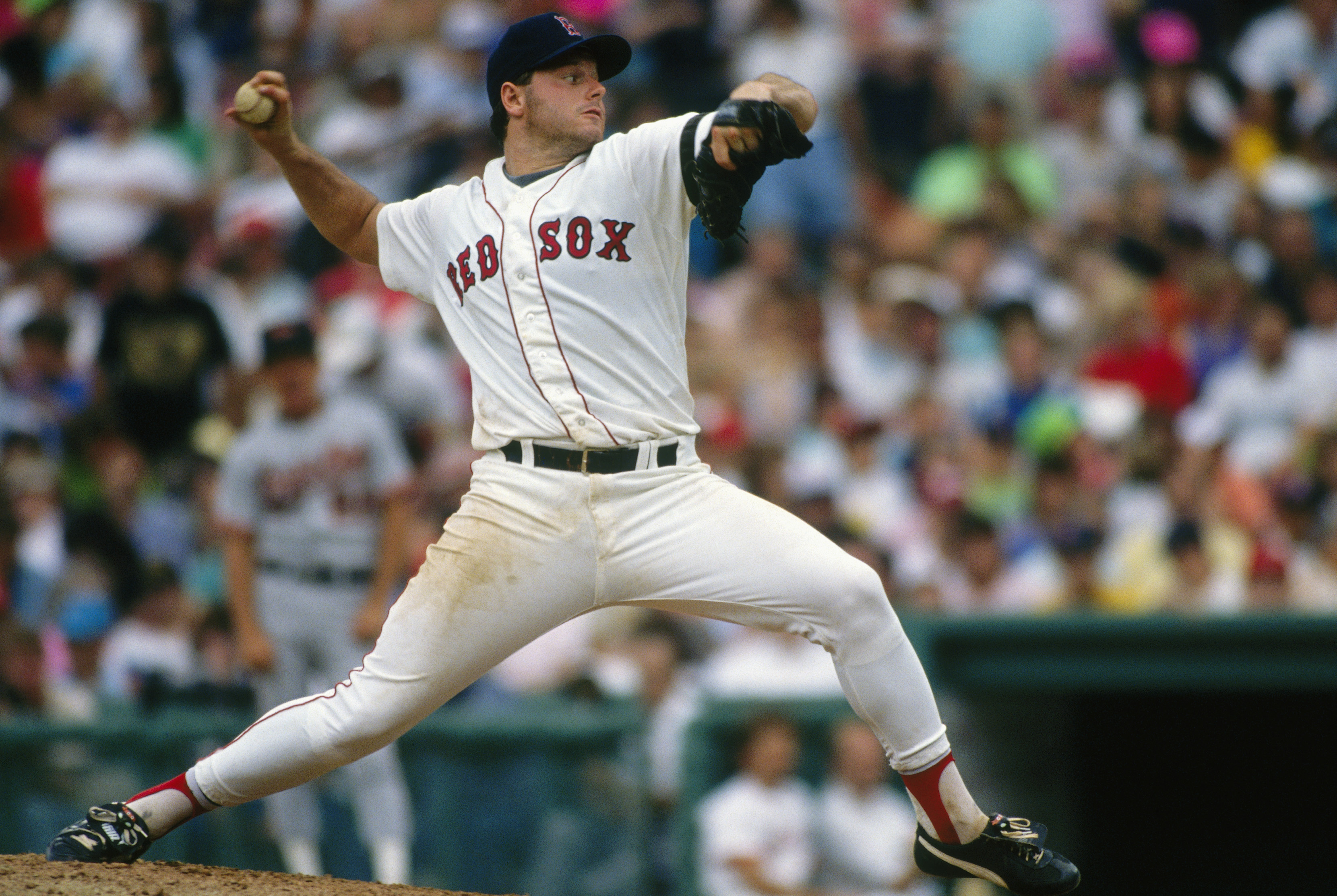
Top 106 Baseball Players: #10 - Roger Clemens*


Roger Clemens

Roger Clemens was a great pitcher over a very long period, and won more Cy Young awards than any other pitcher in history, but his career has been tainted by allegations of steroid use.

Clemens was called up to the Red Sox in 1984, and after pitching sparingly but well in his first two seasons, he jumped straight to superstar status in 1986. That year he led the league with a 2.48 ERA and 24 wins, with only 4 losses, and won both the Cy Young and the MVP. He also set the record for most strikeouts in a 9-inning game, when he sat down 20 batters in an April game, a number that has been matched twice since (3 if you count Randy Johnson's game that went to extra innings without him pitching).

The Red Sox reached the World Series that year, but Clemens did not pitch well enough to get Boston their first title in decades. He led the league in wins, complete games, and shutouts in 1987, and won another Cy Young as well. Though he still pitched just as well in 1988, he failed to win the Cy Young when his record fell to 18-12, though he did win his first strikeout crown that year.

From 1990 to 1992 he led the league in shutouts and ERA, and finished in the top 3 of the Cy Young voting each season, winning the award for the third time in 1991 when he took home the strikeout title as well. He struggled for the next four years, though he did win another strikeout crown in 1996, but it appeared that his best years were behind him, and when Boston did not offer him the contract he wanted, he signed with Toronto as a free agent.

He pitched 2 seasons for the Blue Jays, winning the pitching Triple Crown and the Cy Young award each time, but he grew tired of Toronto's mediocrity, and asked to be traded to a contender. He got his wish before the 1999 season, when he was traded to the Yankees, who had just won the World Series.

His numbers took an immediate nosedive when he reached New York, but he got his wish in the postseason, as he was a member of the championship team for the first time. He was better in 2000, especially in the playoffs. In his appearance in the ALCS, he pitched a complete-game one-hit shutout with 15 strikeouts against Seattle, then pitched 8 innings without giving up a run against the Mets in the World Series, earning him his second ring.

In 2001 he got off to a great start, becoming the first pitcher ever to start a season 20-1 and was awarded his 6th Cy Young award after the season. He pitched well through the postseason as well, and he held the Diamondbacks in check through 6 innings of Game 7 before Mariano Rivera blew a postseason save for the first time in his career, costing them the title.

Clemens pitched 2 more seasons for the Yankees, announcing before the 2003 season that it would be his last. During that season, he reached 300 career wins and 4000 strikeouts, doing both in the same game. Before the 2004 season started, he changed his mind on retiring, signing on with the Astros for a season, and he ended up with an 18-4 record and a 7th Cy Young, more than any other player in history, and he also became the oldest ever to win one at age 42.

He changed his mind about retirement again before the 2005 season, signing the largest contract ever for a pitcher, and had one of his best season, setting a career low in ERA at 1.87, but due to terrible run support his record was only 13-8. In April he pitched three straight shutouts that his team ended up losing 1-0 in extra innings.

Two months into his third retirement, he returned to the Astros again and pitched a decent season, then did the same thing the following year, pitching one final partial season with the Yankees before retiring from the Major Leagues for good, though he has pitched in the minors a few times since.

The biggest controversy of his career is the alleged use of steroids, which followed him for years. He was named in Jose Canseco's book on steroid use in baseball, as well as the Mitchell Report, and was indicted for lying to Congress about his use of steroids, though he was never convicted, and has never failed a drug test. The feeling among most fans and media members is that he probably did use PED's, and that has prevented him from being elected to the Hall of Fame, even though his career is first-ballot worthy.

In addition to the record 7 Cy Youngs, Clemens is one of 3 pitchers in the live-ball era to reach 350 wins, along with Greg Maddux and Warren Spahn, and is #9 among all pitchers in history in wins. He is also #3 in career strikeouts, behind Nolan Ryan and Randy Johnson. Even with the probable steroid use, there is no doubt that Clemens is one of the greatest baseball players of all time.


Friday, July 27, 2018

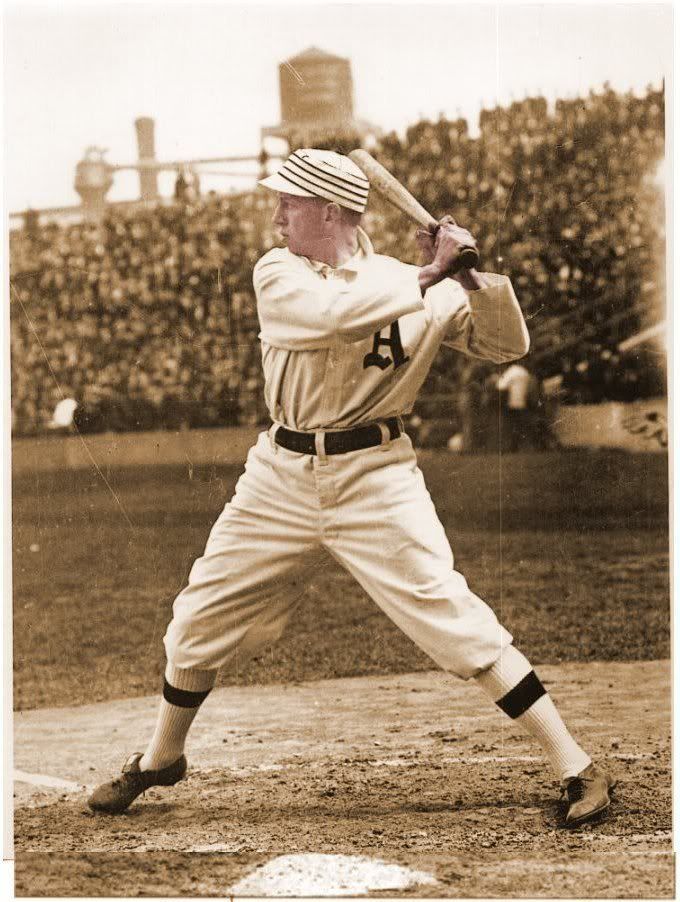
Top 106 Baseball Players: #12 - Eddie Collins


Eddie Collins

Eddie Collins was one of the greatest hitters of the dead-ball era, then continued to make solid contributions once the live-ball era began.

Collins first played for the Philadelphia Athletics in 1906, but he wasn't a full-time player until 1909. In that first full season, he hit .347 and stole 63 bases, making him one of the top tier of players already when he was just 22.

The next season, he became the first AL player ever to steal 80 bases in a season, leading the league with 81, and led the A's to the World Series, where he hit .429 with 4 stolen bases as Philadelphia beat the Cubs in 5 games.

He guided the A's back to the World Series the next year with a .365 average, and this time they beat the Giants in 6 games, even though Collins hit only .286. In 1912, he tied the record for stolen bases in a game twice within 11 days, swiping 6 bases each on September 11th and 22nd.

After missing the World Series in 1912, he led them back to the title series in 1913, this time beating the Giants in 5 games behind Collins'.421 average, which was lower only than that of Home Run Baker for the series, and he grabbed his 3rd championship in 4 years.

He was named the MVP in 1914 after leading the league in runs for the third year in a row and leading the A's to another pennant, but the A's were upset by the Braves, and it resulted in the owner blowing up the team, selling Collins to the White Sox for $50,000, the highest amount ever at that time, and the first time ever that a reigning MVP had been traded.

He led the league in walks in his first year in Chicago, keeping his reputation as one of the top players in the league, then led the White Sox to the World Series in his third year there, with another win over the Giants punctuating the season, with Collins batting .409 in the World Series.

Two years later, the White Sox returned to the World Series, this time losing as the result of the Black Sox scandal, in which 8 of his teammates were implicated for losing intentionally, with Collins one of the only starters who was not implicated.

He led the league in stolen bases twice late in his career, in 1923 and 1924, the latter of which was his first season as player/manager of the White Sox. After 3 seasons filling both roles in Chicago, he returned to the Athletics in the same position, and led them to two World Series titles in 1929 and 1930, though he only made 12 plate appearances in those 2 seasons combined, and did not play in either World Series.

Collins was known as a small-ball player, who was adept at reaching base and stealing bases. He is the all-time leader in sacrifice bunts, with a lead of more than 100 over the next player on the list. He had over 3300 hits in his career, currently #11 all-time, and is #8 in stolen bases and #17 in runs scored. He was always doing the small things needed to help his team succeed, and he did it so well for so long that he is still one of the best players of all time.


Tuesday, July 24, 2018

Top 106 Baseball Players: #14 - Mickey Mantle


Mickey Mantle

Mickey Mantle was the greatest switch-hitter in history, and was a major part of the Yankees dynasty that dominated the 1950's.

Mantle joined the Yankees as a rookie in 1951, which was Joe DiMaggio's final season. In that year's World Series, Mantle and DiMaggio both went after a fly ball, with Mantle swerving at the last minute to avoid a collision and tripping over a drain pipe, which caused him to tear his ACL, an injury for which surgery was impossible at the time. He played the rest of his career on that injured knee.

He showed improvement the next season after being shifted to center field to replace DiMaggio, and had a great World Series, batting .345 with 2 home runs as the Yankees beat the Dodgers in 7 games. He took home his third World Series title in his third season, a pretty good way to start a career.

He became a superstar in 1956, when he became the only switch-hitter in history to win the Triple Crown, batting .353 with 52 home runs and 130 RBI, each of which led both leagues, making him the most recent player to lead both leagues in all 3 categories. He won the MVP that season, then hit 3 home runs in the World Series as he became a champion for the 4th time.

He won another MVP the next season, hitting a career-high .365, though he lost out to Ted Williams in the batting race, but he also led the league with 146 walks. In 1960 he led the league in home runs for the 4th time, then had a great World Series again, batting .400 with 3 home runs and 11 RBI, but the Yankees fell to the Pirates in 7 games that year.

The 1961 season was a big one for Mantle and the Yankees, as he and teammate Roger Maris were locked in a race to beat Babe Ruth's single-season home run record, but a late-season hip injury cause Mantle to fall behind and finish with 54 as he watched his teammate break the record.

He won his third MVP in 1962, after leading the league in walks, on-base percentage, and slugging percentage, even after missing nearly 40 games due to injuries. He had his last great season in 1964, when he finished as the MVP runner-up, then hit another 3 home runs in the World Series, though they lost to the Cardinals that season.

Mantle played in 12 World Series during his career, coming away with 7 championships, and holds several career World Series records, including home runs, walks, runs scored, RBI's, and total bases. When he retired, he was #3 in career home runs, though he has fallen to #18 over the past 50 years. He is still #8 all-time in walks, and one of the greatest players in the history of the sport.


Monday, July 23, 2018

Top 106 Baseball Players: #15 - Yogi Berra


Yogi Berra

Yogi Berra was the greatest catcher of all time, and the greatest winner in the history of baseball, winning the championship in more than half of the seasons he played.

He signed with the Yankees, in 1943, but his debut was postponed due to service in the Navy during World War II, where he was involved in the D-Day invasion. He made his debut late in the 1946 season, and in 1947 reached his first World Series, where he became the first pinch hitter ever to hit a home run in the World Series, and earned his first title.

He had his best season in 1950, when he hit .322 with 116 runs, 194 hits, and 30 doubles, all career highs, along with 28 home runs, 124 RBI, and only 12 strikeouts. He finished #3 in the MVP voting that year, but took home the trophy for the first time in 1951, along with his 4th championship in the postseason.

He remained the mainstay of the Yankees team through the decade, winning 2 more MVP awards in 1954 and 1955, making him one of the few players in history to have 3 MVP awards. After winning 6 championships in his first 8 seasons, he experienced his first World Series loss in 1955, when the Dodgers won in 7 games despite Berra's .417 average.

Berra and the Yankees were able to get redemption in the 1956 World Series, this time beating the Dodgers in 7, with Berra batting .360 with 3 home runs and 10 RBI, which is one of the greatest Series performances by a position player in history.

Berra continued on with the Yankees until 1963, when he retired to become the team's manager, though he was fired after losing in the World Series. He is the holder of many World Series records, including games played, at-bats, hits, singles, doubles, total Series played (14), and championships won (10).

Berra is probably the greatest player to never lead the league in any category, but he was the greatest winner in the history of the sport. Part of his greatness could be attributed to playing for the Yankees, but part of the Yankees' greatness needs to be attributed to having Berra behind the plate. With those 3 MVP's, 10 championships, and tons of World Series records, there is no doubt that Berra is one of the best players of all time.


Sunday, July 22, 2018

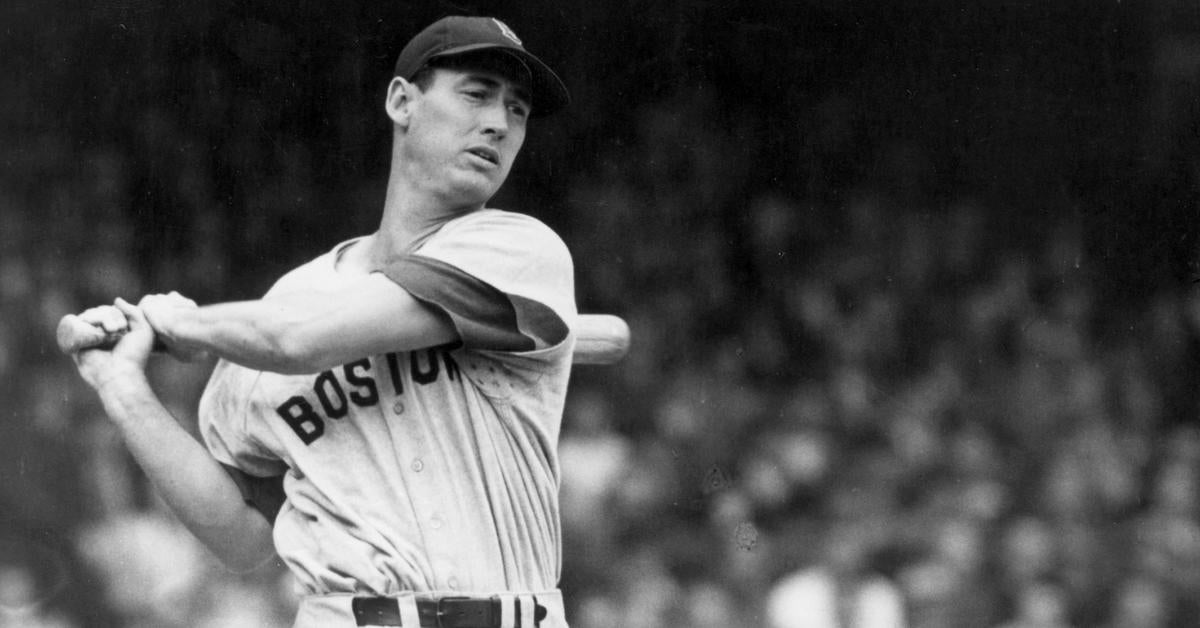
Top 106 Baseball Players: #16 - Ted Williams


Ted Williams

Ted Williams is known by many as the greatest hitter in the history of baseball, and he would have been one of the 5 greatest players ever if military service hadn't interrupted his career.

Williams was an immediate success when he arrived in Boston in 1939, leading the league in ERA as a rookie with 145, becoming the first rookie ever to lead the league in that category. The Rookie of the Year award did not exist yet, but he would have won it easily if it had.

In his third season, he had a memorable year. He hit .406, which is still the highest average by any player in the past 90 years, and the last time a player hit .400 for a full season. He also led the league in runs, home runs, walks, on-base percentage, and slugging percentage, but did not win the MVP because of Joe DiMaggio's record hitting streak.

The next season he led the league in all of the same categories, and added RBI's to the list as well, which earned him his first Triple Crown, but he was once again deprived of the MVP he earned, finishing as the runner-up for the second year in a row. It would be a few years before he got to compete for an MVP again, because he was drafted into the Army to fight in World War II.

When he returned to Boston in 1946, he had not lost a step. He led the league in runs, walks, on-base percentage, and slugging, and led the Red Sox to the pennant, which meant that he was able to play in his first and only World Series. Unfortunately, he was hit by a pitch in an exhibition game just prior to the series, and it prevented him from swinging freely, resulting in a series loss.

He was great again for the next couple years, including another Triple Crown in 1947, then had an amazing season in 1949, when he led the league in doubles, homers, runs scored, RBI's, walks, on-base percentage, and slugging. He fell just .0002 short of the batting title that year, depriving him of a 3rd Triple Crown, and also set a record by reaching base in 84 straight games, which is still the record today, and received his 2nd MVP, though it should have been his 6th.

He missed a good chunk of the next season with a broken arm, but came back strong in 1951 to lead the league in walks again, his 7th consecutive full season leading the league in that category. He hit over .400 in both 1952 and 1953, but only played a total of 43 combined in those seasons due to being called back into active military duty in Korea.

He led the league in walks and on-base percentage again in 1954, which made 9 straight full seasons leading the league in on-base percentage. He retired before the start of the 1955 season, but changed his mind a couple months in and came back to the lineup to finish the season. Over the next 3 seasons he led the league in on-base percentage again each time, along with 2 more batting titles, the final one coming when he was 40 years old.

Williams was known for his patience at the plate, and it was said that he never swung at the first pitch, feeling that it allowed him to get a feel for the pitcher's "stuff." This allowed him to get on base with greater regularity than any other player ever, with a .482 career on-base percentage that is the best of all time.

He also has the highest batting average of any player who began playing after 1920, and is #8 all time in that category. He is among the top 20 all time in runs, home runs, and RBI's, and is #4 in walks. He was considered by most to be a liability in the field, but there is no doubting that he was one of the greatest ever at the plate, would probably have been the second-greatest player of all time if he hadn't missed nearly 5 years to the military, and is definitely one of the greatest players of all time.


Tuesday, July 17, 2018

Top 106 Baseball Players: #20 - Rickey Henderson


Rickey Henderson

Rickey Henderson was the greatest leadoff hitter in the history of baseball, and he is the owner of numerous all-time and single-season records.

Rickey first played for the Athletics in 1979, and in his second season, he was already setting records, breaking Ty Cobb's AL record by stealing 100 bases, becoming just the third player ever to reach that number. Two years later, he broke Lou Brock's Major League record by stealing 130. He had 84 steals by the All-Star break, a number no other player has reached in a full season since, let alone the actual record. He also had at least 100 runs, steals, and walks in 1980, 1982, and 1983, and he is the only player in the modern era to ever achieve that even once.

He was traded to the Yankees after the 1984 season, and his first season in New York was the best of his career. He led the league with 146 runs and 80 steals, and the runs scored were the most by any player since 1950, and he was the first player since 1939 to have more runs scored than games played.

In 1989, he was traded back to the A's at midseason, and he led them to the playoffs after leading the league with 113 runs, 77 steals, and 126 walks. He was very proud to have become Nolan Ryan's 5000th strikeout victim during that season as well. He was named the ALCS MVP after setting a postseason record with 8 steals in a 5-game series, while also batting .400 with 7 walks and 2 home runs. He then hit .474 in a World Series sweep of the Giants as he earned his first title.

The next season he led the league in runs, stolen bases, and on-base percentage, and finished second to George Brett in batting average, and finally won an MVP award, though he deserved a few earlier in his career. The A's returned to the World Series, but this time were victims of a sweep against the Reds, though Henderson batted .333 for the series.

In 1991 he broke the career record that is most associated with him when he passed Lou Brock to become the all-time leader in stolen bases. By the time he finished his career, he had a total of 1406, more than 50% above Brock's second-place total.

He was traded to the Blue Jays near the end of the 1993 season, but struggled after breaking his hand just a few games into his time in Toronto. The Blue Jays did reach the World Series that year, and Henderson scored on the final play of the series to win his second title, though he did little else to contribute to the win.

He was a nomad for the rest of his career, never spending more than 2 consecutive seasons with the same team again, and he had 2 more stints with the Athletics, even leading the league in steals and walks with them in 1998. In 2001, while playing with San Diego, he broke a couple more career marks, Ty Cobb's career runs record and Babe Ruth's walk record. He is still the leader in runs and unintentional walks, though Barry Bonds has more total walks. With all the records he holds, and his amazing performance in his first World Series run, he definitely needs to be remembered as one of the greatest players of all time.


Thursday, July 12, 2018

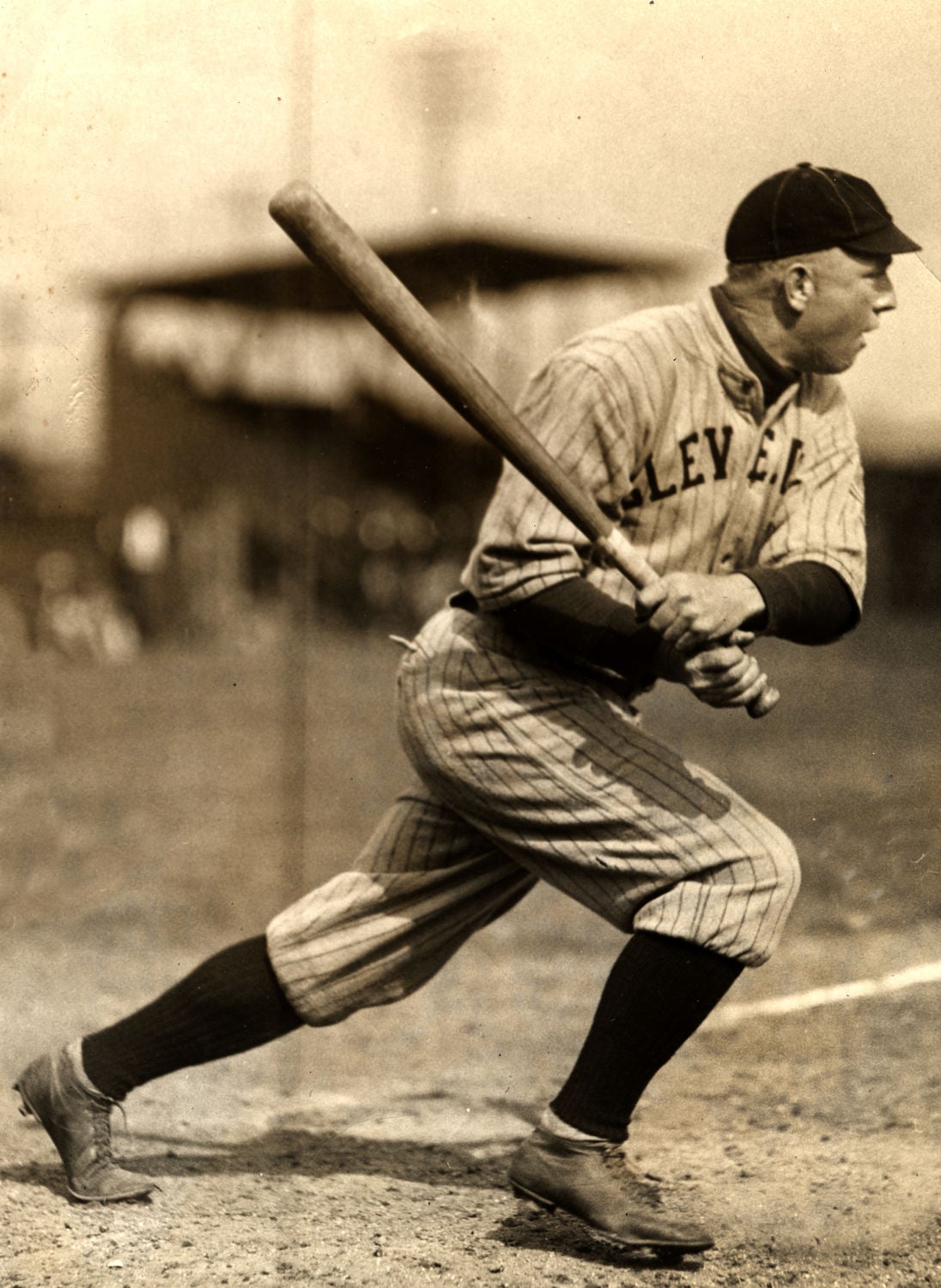
Top 106 Baseball Players: #25 - Tris Speaker


Tris Speaker

Tris Speaker was one of the greatest hitters in history, and one of the first great outfielders in the game of baseball.

Tris began his career with the Boston Americans in 1907, the year before they changed their name to the Red Sox. He did not play much in his first two seasons, but became the starting center fielder in his third season, and that year was the first of 10 in a row where he hit above .300.

He improved steadily until 1912, when he won the MVP after leading the league with 53 doubles and 10 home runs, and he also had 222 hits and a .383 average. His Red Sox won the pennant, and Speaker hit .300 in that World Series, winning his first championship as well.

In 1915 the Red Sox added a young pitcher named Babe Ruth, and the star pair led the Red Sox back to the World Series, though Speaker hit only .322 that season, his worst since 1909. The combination of the two was enough to bring home another title to Boston, but Speaker was asked to take a pay cut after the season due to his low batting average, and after refusing, he was traded to the Indians.

Speaker responded to the trade with his best season yet, leading the league in hits, doubles, batting average, slugging percentage, and on-base percentage. For his first 4 seasons with the Indians, he served unofficially as the team's assistant manager, as he was consulted on all in-game moves. When the manager resigned after misunderstanding one of Speaker's signals, he was made the official manager.

His first full season as player/manager was 1920, and he had his very best season that year. Though he only led the league in his specialty, doubles, he had a batting average of .388, 214 hits, a career-high 137 runs scored, and reached 100 RBI for the first time in his career. He also took the Indians to the World Series, where he hit .320 as the Indians beat the Dodgers in 7 games to claim the title, his third in 3 tries.

He led the league in doubles again in each of the next 3 seasons, and also led the league in RBI in 1923, a career first at age 35. Over the course of his 11 seasons in Cleveland, he batted over .350 7 times during the period that bridged the dead-ball era and the live-ball era.

Speaker led the league in doubles 8 times in his career, and his 792 are still the career record. He is #6 in triples, and is the most recent player to reach 200 for his career in that category. His career batting average of .345 is #6 all-time, which is especially great since he played half of his career in the deal-ball era, and he was solid in all 3 of his World Series appearances, finishing his career with 3 titles, and a place among the greatest baseball players of all time.


Monday, July 9, 2018

Top 106 Baseball Players: #27 - Joe DiMaggio


Joe DiMaggio

Joe DiMaggio is one of the most iconic baseball players of all time, and though his career was one of the shortest among the players on this list, he was among the best players in the league for his entire career.

As a rookie in 1936, DiMaggio led the league in triples and set a Yankees rookie record by hitting 29 home runs, a record which stood until last season, when Aaron Judge eclipsed it. He also hit .323, then topped it with a .346 average in the World Series, bringing home a championship as a rookie.

His second season was his best, as he led the league with 151 runs scored, 46 home runs, 418 total bases, and a .673 slugging percentage, but he finished as the MVP runner-up to Charlie Gehringer. The Yankees capped off that season with another championship, making him 2 for 2 to start his career.

Two years later, he finally earned his first MVP after earning his first batting title with a .381 average, and that season ended with yet another World Series title, his 4th in 4 seasons as a pro. He repeated as batting champ in 1940, but the Yankees failed to reach the World Series for the first time in his career, making the season a bit of a disappointment.

1941 is the season that made him a legend. He won the MVP after winning the RBI title, but what really put him over the top was his 56-game hitting streak, which beat the modern record of 41 and the all-time record of 44. The only player to reach 40 since then was Pete Rose, who reached 44, so no player before or since has come close to his record.

Before the 1943 season, DiMaggio enlisted in the Army, causing him to miss the next 3 seasons, though he never saw combat due to his fame, instead being assigned to play on military all-star teams to entertain the troops, even after requesting a combat role because he was embarrassed by the ease of his service.

He was awarded his 3rd MVP in 1947, despite having one of his worst statistical seasons, then finished as runner-up in 1948 after leading the league in homers and RBI. He ended up playing a total of 13 seasons, reaching the World Series 10 times, and winning 9 championship rings, which puts him behind only Yogi Berra in history.

The shortness of DiMaggio's career kept him from rising higher in these rankings, but no one can say that he isn't one of the all-time greats. In addition to all those championships, he owns 3 MVP's and 2 batting titles, and what is probably the most unbreakable record in baseball. It is unfortunate that he had to miss 3 years in the prime of his career due to war, but he is definitely one of the greatest ever to take the field.


Sunday, July 8, 2018

Top 106 Baseball Players: #28 - Carl Yastrzemski


Carl Yastrzemski

Carl Yastrzemski was one of the greatest Red Sox players in history, playing 23 years with the team, and is also one of the best players in history who never won a championship.

Yaz joined the Red Sox in 1961, and he had some big shoes to fill, because his position in left field had previously been filled by Ted Williams, who had retired after the 1960 season. By his third season, he had become a pretty good player, leading the league in hits, doubles, walks, and batting average.

He had his best season in 1967, when he took home the Triple Crown with a .326 average, 44 homers, and 121 RBI, while also leading the league in runs, hits, total bases, on-base percentage, and slugging. Heading into the final weekend of the season, he was tied with Harmon Killebrew for the home run lead, and the Red Sox were one game behind Killebrew's Twins for the AL pennant. Yaz went 7-8 with 6 RBI and a home run over those 2 games, winning both the Triple Crown and the pennant, and it would be the last batting Triple Crown for 45 years.

Yaz played extremely well in that year's World Series, batting .400 with 3 home runs and 5 RBI, but they lost to the Cardinals in 7 games due to Bob Gibson's historic pitching performance, the best by any pitcher in history up to that point. Had the Red Sox won, Yaz would have been the easy MVP of the Series, which would have gone nicely next to his regular season MVP from that season.

1968 was known as the Year of the Pitcher due to their dominance that year, and it resulted in the mound being lowered the next year, but it didn't affect Yaz. He was the only player in the league to bat over .300 that season, and he also led the league with 119 walks, but was denied the repeat MVP he deserved.

He continued his strong play for well over a decade after that point, eventually playing in 15 consecutive All-Star games and 18 overall. The Red Sox returned to the World Series in 1975, and while Yaz again played well, batting .350 in the playoffs, they fell in 7 games to the Reds. In 1976, at 36 years old, he hit 5 home runs over 2 games, which tied the all-time record.

Yaz retired in 1983, following 23 seasons with the Red Sox, which is tied with Brooks Robinson for the most seasons played with one team. He was the first AL player ever to reach 3000 hits and 400 home runs. He is the Red Sox all-time leader in runs, hits, doubles, RBI's, total bases, and games played, and is third in home runs.

He is also near the top of many all-time Major League leaderboards. He is #2 in games played and plate appearances, #6 in walks, #8 in doubles, #9 in hits, and #10 in total bases. His career postseason batting average is .369, and he played extremely well in both World Series losses in his career. His Triple Crown was a rare feat, and he is easily one of the greatest baseball players of all time.


Thursday, July 5, 2018

Top 106 Baseball Players: #30 - Frank Robinson


Frank Robinson

Frank Robinson was a groundbreaking player and manager for multiple teams in a long and outstanding career.

Robinson joined the Cincinnati Reds in 1956 when he was 20 years old, and he led the league in runs scored as a rookie, while also tying the rookie home run record, which was 38 (broken by Aaron Judge last season). That solid debut season earned him the Rookie of the Year Award.

He maintained that level of play for several seasons, before exploding in 1961, when he led the league with a .611 slugging percentage to go along with 117 runs and 124 RBI's. That season he led the Reds to the pennant, which resulted in a World Series loss to the Yankees, but he was awarded his first MVP award for the stellar season.

The next season he improved in nearly every single category, and had arguably his best season, when he hit .342, led the league with 134 runs and 51 doubles, and set career highs with 208 hits and 136 RBI. He only finished 4th in the MVP voting that year, even though he was even more deserving than the year before.

After 3 more years with the Reds, the team decided to move on from Robinson, trading him to the Orioles, and in his first season in Baltimore he had a season for the ages. He won the Triple Crown with 49 home runs, 122 RBI, and a .316 average, while also leading the league in runs and total bases, earning another MVP, and becoming the only player ever to win an MVP in each league.

The Orioles advanced to the World Series that year, and Robinson was named the MVP after hitting 2 home runs in the 4-game sweep of the Dodgers, including a solo shot to score the only run in the decisive final game. In a series dominated by pitching, Robinson was the offensive constant that made the difference.

From 1969 to 1971, the Orioles made 3 more playoff appearances, reaching the World Series each time, and they won the title in 1970 against Robinson's old team, the Reds, earning him a second championship ring. After the 1971 season, he was traded to the Dodgers, then to the Angels the following season.

Around this time Robinson decided that he wanted to become a manager, and because of that desire, he was traded to the Indians, where he was installed as player/manager, making him the first black manager in league history. Several years later, when he was hired to manage the Giants, he became the first black manager in the NL as well.

At the time of his retirement as a player, Robinson was #4 in home runs, behind Ruth, Aaron, and Mays, and has since fallen back to #10. His number was retired by Cincinnati, Baltimore, and Cleveland, making him one of only 2 players (along with Nolan Ryan) to have his number retired by 3 teams. He is still the only player to win an MVP in each league, a rare batting Triple Crown winner, a World Series MVP, and one of the greatest baseball players of all time.


Tuesday, July 3, 2018

Top 106 Baseball Players: #32 - Lefty Grove


Lefty Grove

Lefty Grove was one of the greatest left-handed pitchers in history, and he spent almost an entire decade as the best pitcher in baseball, though few remember him today.

Grove did not pitch in the Majors until he was 25, in 1925, because his independent minor league team refused to send him to a Major League team for years. When he finally made his way to the Philadelphia Athletics, he was already ready for success. He led the league in strikeouts as a rookie, the first of 7 straight years that he would lead the league, an incredible way to start a career.

In 1926 he led the league in ERA, and in 1928 in strikeouts, then in 1930 and 1931 put it all together to win 2 straight pitching Triple Crowns. In 1930 he went 28-5 with a 2.54 ERA and 209 strikeouts, plus 9 saves to lead the league. The next year he went 31-4 with a 2.06 ERA and 175 strikeouts, and also led the league with 27 complete games and 4 shutouts, and took home the AL MVP award for his dominance.

He was also a part of the Athletics teams that reached 3 straight World Series, along with Jimmie Foxx, who was behind him in this countdown, and Lefty was a big part of those titles. In the 1929 World Series he pitched exclusively in relief, facing 22 batters, 10 of whom he struck out, and didn't give up a single run to finish as the best pitcher in that Series. The next year he went 2-1 with a 1.42 ERA as the A's repeated as champs, but his ERA "ballooned" to 2.42 the following year as they failed to three-peat.

Even as the most dominant period of his career was ending as he entered his mid-30's, he maintained his great ERA numbers. He was traded to the Red Sox before the 1934 season, and led the league in ERA 4 more times in Boston, in addition to the 5 times he won the title in Philadelphia. Those 9 ERA titles are the most of any pitcher in history.

He won his 300th game late in the 1941 season, and it would turn out to be his final victory, making his career record 300-141, the 8th-best winning percentage in history, and the highest of any member of the 300-win club. He is one of the few pitcher to ever win an MVP, was instrumental in 2 World Series titles, led the league in ERA more often than anyone else ever, and is definitely one of the greatest players of all time.


Monday, July 2, 2018

Top 106 Baseball Players: #33 - Jimmie Foxx


Jimmie Foxx

Jimmie Foxx was one of the greatest power hitters in history, second only to Babe Ruth during his time, and his numbers still stand up against the best among today's players.

Foxx dropped out of high school to play minor league baseball when he was 16, and was signed by the Philadelphia Athletics when he was 17, playing sparingly with the team throughout the rest of his teenage years.

He had his breakout year in 1929, at the age of 21, when he hit .354 with 123 runs, 118 RBI, and 103 walks, and he only got better from there. The A's made the World Series that year, and Foxx was the biggest reason for their victory, batting .350 with 2 home runs and 5 RBI as they took down the Cubs in 5 games.

The A's returned to the World Series in each of the next two seasons as well, winning in 1930 but falling to the Cardinals in 1931. Foxx hit well over .300 in each of those Series as well, leaving his career World Series average at .344.

1932 was a monster season for Foxx, as he led the league with 151 hits, 169 RBI, and 58 home runs, the first major challenge to Babe Ruth's record of 60. Foxx actually hit 60 home runs that season, but two didn't count because the games were later called because of rain. He also hit .364 that season, just 3 points short of winning the Triple Crown, though he did still win the MVP easily.

He did win the Triple Crown the next season, though his numbers were all slightly lower than the previous season's. He had 48 home runs, 163 RBI, and a .356 average, surpassed 200 hits for the second year in a row, and won his second straight MVP.

He continued to produce at a high level for Philadelphia for two more years, but financial problems forced the team to get rid of most of its best players in the early 1930's, and Foxx was eventually sold to the Boston Red Sox, where he didn't miss a beat, batting .338 with 143 RBI in his first season up north.

He had his very best season with Boston in 1938, when he hit 50 homers and led the league with 175 RBI, 119 walks, and a .349 average. He also led the league in slugging and on-base percentage that year, and took home his 3rd MVP, which was the record until Barry Bonds broke it in 2001.

He nearly won another MVP the next year, finishing as the runner-up after leading the league in homers for the 4th time and batting .360. In 1940, he became the second player to reach 500 home runs, and he remained the youngest to reach that milestone until Alex Rodriguez beat him in 2007. It was also his 12th straight season with at least 30 homers, which was the record until Barry Bonds broke it in 2004.

Foxx is still on the all-time leaderboard in many categories, including the top 25 for home runs, total bases, runs scored, and walks, and is #10 in RBI's. He was the first to truly threaten Babe Ruth's home run record, and the records he held have only been broken by players who used steroids, making Foxx one of the greatest baseball players of all time.


Saturday, June 23, 2018

Top 106 Baseball Players: #42 - Alex Rodriguez*


Alex Rodriguez

Alex Rodriguez was a superstar almost from the day that he reached the Majors, setting many record for being the youngest to reach a milestone, but his verified use of steroids put a black mark on a career that would have been great without them.

Rodriguez was the #1 pick in the 1993 Draft, and made his Major League debut with the Mariners the following season while still 18 years old, making him the youngest player in the league. He split time between the majors and minors for his first two years, before becoming the full-time starting shortstop for good in 1996.

His first full season with the Mariners was a great one. He led the league with 141 runs, 54 doubles, 379 total bases, and a .358 average, making him the 3rd-youngest ever to win a batting title. He came in second in the MVP voting as well, quite the accomplishment for a 21 year old.

In 1998, he led the league with 213 hits, and also became the third member of the 40-40 club, having reached 40 in both home runs and stolen bases, joining Jose Canseco and Barry Bonds, a couple of players that he would end up having another thing in common with later in his career.

He would exceed 40 home runs for each of the next two seasons with Seattle, also surpassing 130 runs and RBI in 2000, which earned him a 3rd place finish in the MVP voting. He was a free agent after that season, and decided to leave Seattle for Texas, where he was offered the largest contract in pro sports history.

In 2001, he led the league in runs, home runs, and total bases, and reached 50 home runs for the first time in his career. He also reached 200 hits that season, becoming the first player in nearly 70 years to have 50 homers and 200 hits in a season.

The following season, he raised his performance again, this time knocking 57 home runs and leading the league with 142 RBI. His home runs were the most by an AL player since Roger Maris hit 61 in 1961. He finished as the MVP runner-up again that year, his third top-3 finish without winning the award.

His numbers dropped off slightly in 2003, but he still led the league with 47 home runs and 124 runs scored, and it was enough to finally earn him an MVP award, becoming just the second player in history to win the award on a last-place team. He also led the league in slugging for the first time, which would become common for him.

He was traded to the Yankees after the season, becoming just the 2nd reigning MVP in history to be traded. He switched to third base in New York, because Derek Jeter was the starting shortstop, and in his second year with the team he had nearly the same stat line he had in 2003, which earned him his 2nd MVP award.

His best season came in 2007, when he led the league in homers for the 5th time, with 54, and also led the league with career highs in runs (143) and RBI (156). He also reached 500 home runs that season, becoming the youngest to reach that milestone, just as he had been with 400, 300, and 200. He won his 3rd MVP that season.

After that season, he opted out of his contract in order to sign a new deal that broke his previous record as the largest in history, but his performance dropped off a bit on the new deal. He had the reputation for not playing well in the playoffs, only having played well in the 2000 playoffs up to that point, but in 2009, he finally put it together in the postseason, batting over .300 with 6 home runs and 18 RBI over 3 rounds as the Yankees won the World Series, earning Rodriguez his first and only championship.

Exactly 3 years after his 500th home runs, Rodriguez hit his 600th, becoming the 7th player to reach that milestone, and the youngest as well. During the 2013 season, it was announced that Rodriguez was being suspended for using PED's, but he was allowed to continue playing during the appeal process. He eventually admitted to cheating and was suspended for the entire 2014 season. He did return for two more seasons afterward, but was not very effective.

Rodriguez is near the top of many prestigious leaderboards, including #8 in runs scored, #6 in total bases, #4 in home runs, and #3 in RBI's. He was regularly one of the top all-around regular season players, and was the best player for the Yankees on their 2009 World Series championship team, though that was one of his only good postseason performances. He may have cheated to improve some of those numbers, and there's no way to tell how much of a difference it made or how long it went on, but there is no doubt that he is still one of the greatest to ever play the game.


Friday, June 22, 2018

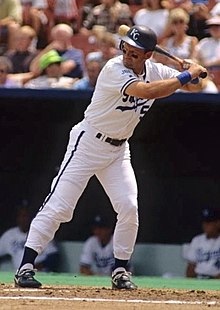
Top 106 Baseball Players: #43 - George Brett


George Brett

George Brett was one of the greatest modern hitters, and he maintained a high batting average over the course of a very long career, which made him one of the standards by which batters are judged.

Brett first played for the Kansas City Royals in late 1973, but he struggled at the plate at first. At the All-Star break, he asked his batting coach for help, and he ended up reaching .282 by season's end, the lowest average he would post in the next 17 years.

The next season, he led the league in both hits and triples, and by 1976, he had won his first batting title, hitting .333 and leading the league with 298 total bases, and ended up #2 in the MVP voting, quite the turnaround from his struggles just 2 years earlier.

That was the first of 3 consecutive seasons in which the Royals reached the ALCS, but lost to the New York Yankees. Brett played well in all 3 of those series, batting at least .300 in each, and even hitting 3 home runs in a 4-game series in 1978, but they just couldn't overcome the powerhouse.

Brett led the league in hits and triples for the third time in 1979, but the 1980 season was truly magical. He led the league in batting, with a .390 average, which was the highest by any player since 1941, when Ted Williams hit .406. Brett was above .400 on September 19, but slumped over the last couple weeks of the season and ended up falling short of the huge milestone, but he was still given a very well-deserved MVP award.

That postseason, they also overcame the Yankees for the first time, sweeping them in 3 games and moving on to face the Phillies in the World Series. They would lose in 6 games, but Brett hit .375 for the series, once again showing up big when his team struggled.

Over the next several seasons he was solid, hovering around a .300 average, then he spiked again in 1985, reaching .335 and coming in as the MVP runner-up. That year, for the first time, Brett played well in a postseason series that his team won, being named ALCS MVP for batting .348 with 3 home runs, then batting .370 in the World Series, including 4 hits in the decisive game 7 as the Royals knocked off the Cardinals.

Brett would play another 8 years for the Royals, but would not see the playoffs again. He did, however, have a few more important personal milestones. In 1990, he led the league in batting for the third time, with an average of .329 at age 37, becoming the first player in history to win batting titles in 3 different decades. In 1992, he reached 3000 hits, joining another elite club.

Brett is one of 4 players ever to have 3000 hits, 300 home runs, and a .300 average for his career, the others being Stan Musial, Willie Mays, and Hank Aaron. He is also #6 all-time in doubles and #16 in hits, #1 among third basemen in each category. He was a great hitter over nearly two decades, a strong playoff performer, and has earned this spot among the 50 greatest baseball players of all time.


Saturday, June 16, 2018

Top 106 Baseball Players: #48 - Charlie Gehringer


Charlie Gehringer

Charlie Gehringer was nicknamed the Mechanical Man, partly due to his quiet demeanor, and partly due to his remarkable consistency over a long period of time. His manager/teammate Mickey Cochrane joked, "Charlie says 'hello' on Opening Day, 'goodbye' on Closing Day, and in between hits .350"

He made brief appearances with the Tigers in 1924 and 1925, and finally won the starting second base job in 1926, which he wouldn't give up for 15 years. That would be one of only 3 full seasons in his career where he wouldn't hit .300.

He really broke out in 1929, when he led the league in several offensive categories, including runs, hits, doubles, triples, and stolen bases. Then in 1932, he began a string of 7 consecutive seasons finishing among the top 10 in MVP voting.

He had what was probably his best season in 1934, leading the league with 214 hits and 135 runs to go along with 127 RBI and a .356 average. He lost out on the MVP vote to teammate Mickey Cochrane, and the Tigers reached the World Series, where Gehringer batted .379, but the Tigers lost to the Cardinals in 7 games.

In 1935 he was nearly as good, reaching 200 hits for the third year in a row, and leading the Tigers back to the World Series, where they beat the Cubs in 6 games behind Gehringer's .375 average and 4 RBI.

He was still great for a couple more years, reaching career highs of 144 runs, 227 hits, and 60 doubles in 1936, then winning the MVP in 1937 after winning the batting title with a .371 average while surpassing 200 hits for the 5th year in a row. His stats started to drop off after that, but he was still a good player for a couple more years before being benched.

Gehringer finished his career with a .320 average, and hit over .300 in 13 seasons. He also reached 200 hits and 40 doubles 7 times each, and finished in the top 10 of the MVP voting 7 times in a row. He was great in his first two World Series appearances, and was the biggest reason for their win in 1935, and though his name isn't well-known today, he cannot be left off the list of the greatest players of all time.


Sunday, June 3, 2018

Top 106 Baseball Players: #60 - Miguel Cabrera


Miguel Cabrera

Miguel Cabrera is the third active player to make this list, and has been one of the most complete all-around players for at least a decade.

Cabrera broke into the Majors in 2003 with the Florida Marlins, and was able to reach his first career World Series as a rookie, and he contributed to the upset victory over the Yankees with a home run off Roger Clemens in Game 4, and he ended up with the greatest team honor in his first season.

Cabrera played 4 more solid seasons for the Marlins, hitting at least 110 RBI in each, while also reaching 30 home runs and a .300 batting average 3 times. He was traded to the Tigers after the 2007 season, and signed the fourth-biggest contract in history at the time before even putting on a uniform.

In his first season with Detroit, he led the league in home runs and total bases, and within 2 years was the best player in the AL. In 2010 he led the league in RBI, in 2011 he led in batting average and doubles, and he finally put in all together in 2012, winning the first Triple Crown in 45 years with 44 homers, 139 RBI, and an average of .330.

In addition to the Triple Crown, he was also named the MVP, which seemed obvious when looking at his accomplishment. He was even better in 2013, matching the previous season's home run total, with just 2 fewer RBI and a league-leading .348 average, and he was again rewarded with the AL MVP award.

The Tigers reached the postseason in each of those 4 MVP-level seasons, but each time fell short of the championship. They reached the World Series in 2012, his first time reaching the final series in 9 years, but they fell to the Giants in 4 games. Cabrera had 3 more very good seasons after his back-to-back MVP's, but just a bit short of what had come to be expected of him.

Cabrera is among the active leaders in nearly every important category. He is #4 in hits and runs, #3 in doubles, RBI, slugging percentage, and total bases, and #2 in batting average, home runs, and walks. He is the closest active player to both the 3000-hit club and the 500-home run club, and could reach both within the next 2-3 years.

Cabrera is obviously one of the greatest players still on the field, and winning the Triple Crown in an era when it has become extremely rare is a huge achievement. At only 35 years of age, he still has a great opportunity to continue his climb, but for now it is pretty impressive to be ranked this high among the greatest players of all time.