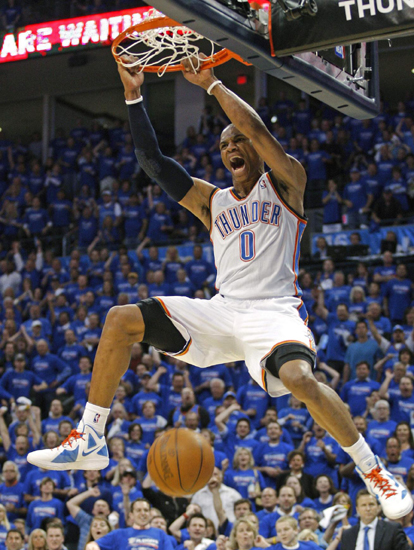
Showing posts with label Assist Leader. Show all posts

Saturday, October 30, 2021

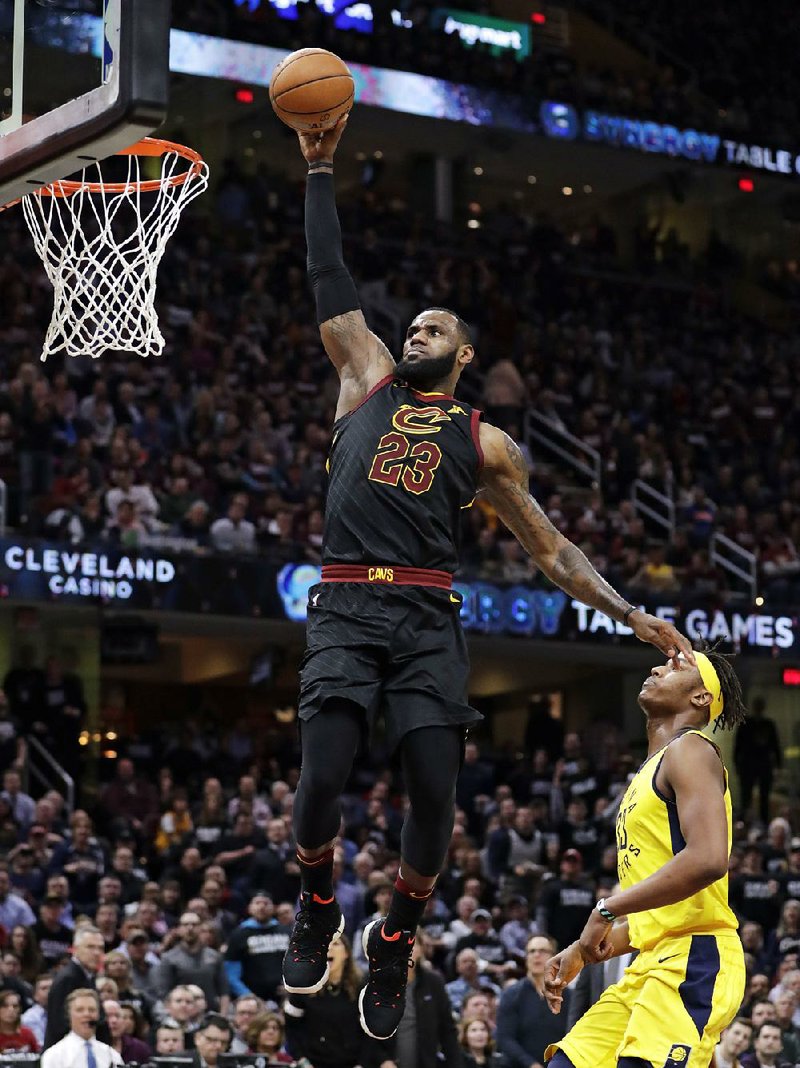
Top 100 NBA Players: #1 - LeBron James


LeBron James

Teams

Cleveland Cavaliers - 2003-10, 2014-18

Miami Heat - 2010-14

Los Angeles Lakers - 2018-present


Playoffs

Appearances - 15 (2006,2007,2008,2009,2010,2011,2012,2013,2014,2015,2016,2017,2018,2020,2021)

Conference Finals - 11 (2007,2009,2011,2012,2013,2014,2015,2016,2017,2018,2020)

NBA Finals - 10 (2007,2011,2012,2013,2014,2015,2016,2017,2018,2020)

Championships - 4 (2012,2013,2016,2020)


Awards and Honors

Rookie of the Year - 2004

MVP - 4 (2009,2010,2012,2013,2018,2020)

Finals MVP - 4 (2012,2013,2016,2020)

All-NBA First Team - 13 (2006,2007,2008,2009,2010,2011,2012,2013,2014,2015,2016,2017,2018,2020)

All-NBA Second Team - 3 (2005,2007,2021)

All-NBA Third Team - 1 (2019,2021)

*(actual in bold, deserved in italics)


All-Time Ranks

Total Points - #3

Points Per Game - #6

Total Assists - #8

Three-Pointers Made - #13

Total Steals - #14

Assists Per Game - #23

Total Rebounds - #46

Steals Per Game - #70


League Leads

Total Points (#1-2018, #2-2005,2006,2007,2008,2009,2010,2011,2012, #3-2013,2014, #4-2015,2016)

Points Per Game (#1-2008, #2-2009,2010,2011, #3-2005,2006,2012,2014,2015,2018, #4-2007,2013, #5-2016)

Total Assists (#1-2020, #2-2018, #5-2005,2017)

Total Steals (#2-2005, #4-2012)

Field Goal Percentage (#4-2014, #5-2013)

Assists Per Game (#1-2020, #2-2018)

Steals Per Game (#3-2005,2012)


After winning 3 state championships in 4 years of high school, LeBron James was drafted by his hometown Cleveland Cavaliers with the #1 overall pick in the NBA Draft.

James had a very strong rookie season, averaging 20.9 points, 5.5 rebounds, and 5.9 assists, and was the runaway winner of the Rookie of the Year award. He helped the Cavaliers double their win total from the previous year, but they still fell short of missing the playoffs.

In his second season, he averaged 27.2 points, 7.4 rebounds, and 7.2 assists, a clear improvement over the previous season, and was named to the All-NBA Second Team, the first of 17 straight seasons being named to one of the teams, a streak that is still active and the longest of any player in history. The team improved again, but still fell just short of making the playoffs.

In his third season, he averaged a career high 31.4 points per game, along with 7.0 rebounds, and 6.6 assists, and finished as the MVP runner-up. He led Cleveland to the playoffs for the first time in his career, and they advanced to the second round, where their playoff run ended.

In 2007, his regular season averages dropped off a bit, but in the playoffs, he led Cleveland all the way to the NBA Finals despite not having any other star players on the roster. They faced the experienced Spurs in that series, and LeBron was unable to overcome the star power of San Antonio, who swept the series.

The next year, LeBron led the league in scoring for the first time with 30.0 per game, along with 7.9 rebounds and 7.2 assists per game, but the team lost to Boston in the second round. The next year, he led Cleveland to 66 wins, best in the league, and won his first MVP award. He led the Cavaliers to the Conference Finals, but despite his 35.3 points per game in the playoffs, they weren't able to beat the Magic, losing one step short of the Finals for the only time in his career so far.

He led Cleveland to the best record in the league again the next season, and won a second straight MVP after averaging 29.7 points, 7.3 rebounds, and 8.6 assists. Despite this, they only reached the second round of the playoffs, losing to Boston in 6 games, even though LeBron had a triple-double in the final game.

After that season, LeBron decided to leave Cleveland as a free agent and sign with Miami, though he officially ended up being traded for 4 draft picks. He joined former Finals MVP Dwyane Wade on the Heat, and the pair was able to lead Miami to the NBA Finals, but LeBron struggled in that series, averaging only 17.8 points per game, and they lost to Dallas in 6 games.

He bounced back in a big way the next season, averaging 27.1 points, 7.9 rebounds, and 6.2 assists, and won his third MVP in 4 seasons. He led Miami back to the Finals, and averaged 28.6 points, 10.2 rebounds, and 7.4 assists against the Thunder, including a triple-double in the deciding 5th game, winning his first championship and Finals MVP as a result.

The next year he led the Heat to the best record in the league while his averages remained pretty much the same as the year before, which earned him his 4th MVP award, a number surpassed by only Michael Jordan and Kareem Abdul-Jabbar. He led Miami back to the Finals, where they beat the Spurs in 7 games, with LeBron scoring 37 in the final game to earn his second straight Finals MVP.

The Heat struggled with injuries the next year, with LeBron being one of the few players to remain healthy throughout the year, but he was still able to lead Miami to the Finals for the 4th year in a row. They had a rematch with the Spurs, his third time facing them in the Finals, and they ended up falling short, losing to San Antonio in 5 games.

After that season, LeBron decided to leave as a free agent and return to Cleveland, feeling that he still owed the city a championship. He had another strong season back with the Cavaliers, and led them to the Finals for the second time in team history, where they faced Golden State. James averaged 35.8 points, 13.3 rebounds, and 8.8 assists in the Finals, but it wasn't enough to beat the Warriors, who took the title in 6 games.

The next year, Cleveland coasted through the first 3 rounds of the playoffs, losing only 2 games on their way back to the Finals, where they met the record-setting 73-win Warriors. Cleveland fell behind 3-1 in the Finals, but LeBron had back-to-back 41-point games to even the series, then a triple-double in Game 7 to complete the comeback. He averaged 29.7 points, 11.3 rebounds, 8.9 assists, 2.6 steals, and 2.3 blocks in the Finals, becoming the first player ever to lead both teams in all 5 categories in a playoff round and earning his 3rd Finals MVP.

He led Cleveland back to the Finals again the next year, the 7th year in a row that he would play in the last round, and they were once again facing the Warriors, this time with Kevin Durant added to their rivals. James became the first player to ever average a triple-double in the Finals, with 33.6 points, 12.0 rebounds, and 10.0 assists, but it wasn't enough to prevent Cleveland from losing in 5 games.

In his 4th season back in Cleveland, he reached the NBA Finals yet again, the 8th straight time he had reached that point, something that has never been done by anyone who didn't play for the Celtics in the 1960s. He had another great individual series, but the team had traded away Kyrie Irving before the season, leaving him without a star teammate, and Cleveland's season ended in a sweep.

He decided to leave Cleveland again after that season, joining the Lakers as a free agent, hoping to resurrect another franchise that had missed the playoffs for several years in a row. He injured his groin on Christmas Day, the first major injury of his career, and he ended up missing 27 total games, and the Lakers were unable to reach the playoffs without their star on the court.

The Lakers traded for Anthony Davis before the next season, and LeBron shifted to playing more of a point guard role, even leading the league in assists with 10.2 per game. He was named to the All-NBA First Team for the 13th time, 2 more than any other player in history, and led the Lakers to the NBA Finals, where they beat the Heat in 6 games, with James earning his 4th Finals MVP, becoming the second-oldest player to ever win the award.

Last season, James suffered an ankle injury that caused him to miss the most games he has ever missed in his career, returning just in time to start the playoffs. He did finish the season with an average of 25.0 points per game, marking the 17th year in a row he had met that mark, but the Lakers lost in the first round of the playoffs after Davis suffered a groin injury, spoiling their chance at a repeat. 

LeBron James has played at a high level for longer than any other player in history. He has averaged at least 25 points per game for the past 17 seasons, 5 more than any other player ever, and has reached the NBA Finals 10 times, a number only Sam Jones and Bill Russell have surpassed, though James is the only one who was the best player on all 10 Finals teams. He has been named to the All-NBA First Team 13 times, all well-deserved, which is 2 times more than anyone else, and he is still playing at the same high level, which leaves room to extend all of those marks.

He is currently #3 on the all-time scoring list, behind only Kareem and Karl Malone, and is also #8 on the all-time assist leaderboard, the only player in the top 30 who was not a point guard. His career scoring average of 27.0 per game is #6 all time, despite the fact that he has only led the league in scoring once. There are many players with great longevity, many with great playoff success, many who are great in 2 or 3 different statistical categories, but LeBron James has excelled in all of these areas, and is the greatest to ever play the game of basketball.


Wednesday, October 27, 2021

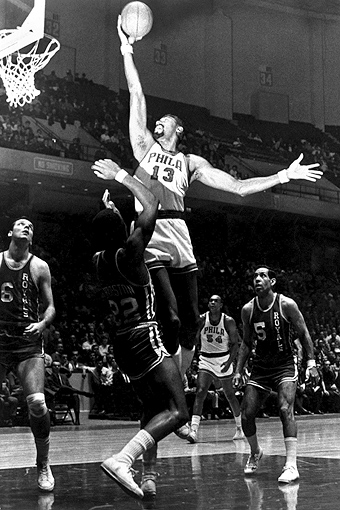
Top 100 NBA Players: #4 - Wilt Chamberlain


Wilt Chamberlain

Teams

Philadelphia/San Francisco Warriors - 1959-65

Philadelphia 76ers - 1965-68

Los Angeles Lakers - 1968-73


Playoffs

Appearances - 13 (1960,1961,1962,1964,1965,1966,1967,1968,1969,1970,1971,1972,1973)

Conference Finals - 12 (1960,1962,1964,1965,1966,1967,1968,1969,1970,1971,1972,1973)

NBA Finals - 6 (1964,1967,1969,1970,1972,1973)

Championships - 2 (1967, 1972)


Awards and Honors

Rookie of the Year - 1960

MVP - 4 (1960,1961,1962,1963,1964,1966,1967,1968)

Finals MVP - 1 (1967,1972)

All-NBA First Team - 7 (1960,1961,1962,1963,1964,1965,1966,1967,1968,1969)

All-NBA Second Team - 3 (1963,1965,1971,1972,1973)

Hall of Fame - 1979

*(actual in bold, deserved in italics)


All-Time Ranks

Total Rebounds - #1

Rebounds Per Game - #1

Points Per Game - #2

Total Points - #7

Field Goal Percentage - #36

Total Assists - #83


League Leads

Total Rebounds (#1-1960,1961,1962,1963,1966,1967,1968,1969,1971,1972,1973, #2-1964,1965)

Rebounds Per Game (#1-1960,1961,1962,1963,1966,1967,1968,1969,1971,1972,1973, #2-1964,1965)

Field Goal Percentage (#1-1961,1963,1965,1966,1967,1968,1969,1972,1973, #2-1962,1964, #3-1971)

Total Points (#1-1960,1961,1962,1963,1964,1965,1966, #3-1967,1968)

Points Per Game (#1-1960,1961,1962,1963,1964,1965,1966, #4-1968, #5-1967)

Total Assists (#1-1968, #3-1967, #3-1964)

Assists Per Game (#2-1968, #3-1967)


After 2 seasons at Kansas in which he averaged 29.9 points and 18.3, Wilt Chamberlain left college to become a pro, but since NBA rules at the time didn't allow him to play because he wasn't 4 years out of high school, he joined the Harlem Globetrotters for a year, then was drafted by the Philadelphia Warriors as a territorial pick because he was born and raised there.

In his rookie season, Wilt set new records for scoring and rebounding in a season, averaging 37.6 points and 27.0 rebounds per game. Due to his dominance, he was named the Rookie of the Year and the MVP, the first rookie ever to win that honor. In the playoffs, Wilt led the Warriors to the Conference Finals, where they met the Celtics. Chamberlain had 50 points and 35 rebounds in Game 5, but the team fell in Game 6 and their season was over.

Chamberlain broke both of his record averages again the next season, raising his league-leading averages to 38.4 points and 27.2 rebounds, and also led the league in shooting for the first time with an average of .509. He also set the single-game rebounding record that year, grabbing 55 in a game against the Celtics, breaking the record set by Bill Russell a couple of years earlier, but in the playoffs, his Warriors were swept by Syracuse in the first round.

The next year, Chamberlain had the single greatest statistical regular season of all time. He averaged 50.4 points and 25.7 rebounds per game, and set the all-time record by averaging 48.5 minutes per game, missing only 8 minutes in the entire season due to an ejection, but playing every overtime minute available to raise him above the 48 total minutes per game. He also scored his famous 100 points in a game, another record that nobody has ever approached. He led the Warriors to the NBA Finals for the first time, and tied the game with 16 seconds left in Game 7, but a basket by Sam Jones with 2 seconds left won the game and the series for the Celtics.

The team was sold after the season and moved to San Francisco, and many players either retired or requested trades rather than move to California. Chamberlain remained with the team, and had another amazing season with 44.8 points and 24.3 rebounds, both by far the best in the league again, but the team missed the playoffs after losing most of Wilt's supporting cast.

The next year saw Wilt average 36.9 points and 22.3 rebounds, and with solid rookie Nate Thurmond joining the team, the Warriors were much better, reaching the NBA Finals again, but losing to the Celtics again, this time in 5 games. At the next season's All-Star break, Wilt was traded back to his hometown of Philadelphia to play for the 76ers, who had recently moved from Syracuse.

He finished that season with the 76ers averaging 34.7 points and 22.9 rebounds, and led the 76ers to the Conference Finals, where he met up with Bill Russell and the Celtics again. The series went to 7 games, and Chamberlain had 30 points and 32 rebounds in the final game, but Boston still won the series and advanced to the Finals.

Chamberlain led the league in scoring for the 7th and final time in 1965-66, when he averaged 33.5 points and 24.6 rebounds per game, and led the 76ers to the best record in the league, winning his second MVP award. They met the Celtics in the Conference Finals again, but despite his 46 points and 34 rebounds in the final game, they lost to Boston once again in 5 games.

Philadelphia replaced their coach after that season, and new coach Alex Hannum convinced Wilt to be more of a team player, and the result was amazing. His scoring dipped to 24.1 per game, by far the lowest of his career to that point, but he led the league with 24.2 rebounds per game and had 7.8 assists per game as well. He also shot .683 from the field, which set a new record. The 76ers won 68 games, a record at the time, and finally beat the Celtics in the Conference Finals, with Wilt getting a triple-double of 29 points, 36 rebounds, and 13 assists in the deciding Game 5. They faced the Warriors in the Finals, and behind Wilt's 17.7 points and 28.7 rebounds per game, the 76ers won the title. The Finals MVP didn't exist yet, but Wilt would have been an easy choice to win the award.

He averaged 24.3 points and 23.8 rebounds the next year, and led the league with 702 assists, the only center ever to lead the league in assists. The 76ers had the league's best record for the 3rd straight year, and met the Celtics in the Conference Finals again, but after taking a 3-1 lead in the series, Boston fought back and became the first team to ever come back from down 3-1 to win a series, and Philly was unable to defend their title.

After the season, Wilt requested a trade away from Philadelphia, and was sent to the Los Angeles Lakers. At the time he was the 3-time defending MVP, and he was the first reigning MVP ever to be traded before the next season. He averaged over 20 and 20 again that season, and helped lead the Lakers to the Finals against Boston, but he injured his knee late in Game 7 and the team lost again.

Wilt got off to a great start the next season, averaging 32.2 points and 20.6 rebounds in the first 9 games before tearing his patellar tendon and missing almost the entire season as a result. He returned for the final 3 games of the season, then led LA back to the Finals, scoring 45 points and grabbing 27 rebounds in Game 6 to tie the series, but they lost to New York in Game 7 to finish another season in disappointment.

Wilt led the league in rebounding again the next year, averaging 18.2 per game for his 9th rebounding title, but the Lakers met Lew Alcindor (later Kareem Abdul-Jabbar) and Milwaukee in the Conference Finals, and they were unable to overcome the young superstar, losing the series in 5 games.

The next season, Los Angeles broke the league record by winning 69 games, breaking the record held by Wilt's 1967 76ers team, which included a record 33-game winning streak. The team easily advanced to the NBA Finals to face the Knicks again, and after Wilt broke his hand in Game 4, he played through it in Game 5, finishing with 24 points, 29 rebounds, and 8 assists to lead the team to a championship and win the Finals MVP award.

The next season, Wilt broke his own record by shooting an amazing .727 from the field for the season, and he led the league in rebounding for the 11th time, with 18.6 per game. He led the Lakers to the Finals again, where they faced the Knicks for the 3rd time in 4 years, but with several of his teammates out with injuries, Wilt wasn't able to beat New York, and the Lakers fell in 5 games.

After the season, Wilt signed with the San Diego Conquistadors of the ABA as a player-coach, but he still had an option year on his contract with the Lakers, who sued San Diego, preventing him from playing the season. He didn't enjoy coaching, and decided to retire after the season ended without ever playing in the ABA.

Wilt owns numerous NBA record, even nearly 50 years after his retirement, and was constantly leading the league in multiple categories. He led the league in scoring 7 times, rebounding 11 times, shooting percentage 9 times, and assists once, and was the only player to ever average 30 points and 20 rebounds in a season, which he did 7 times. He also finished his career averaging over 30 points and 20 rebounds per game, and he has the highest rebounding average of all time, and won 2 championships on 2 of the best teams of all time, and is obviously one of the greatest to ever play the game.


Monday, October 25, 2021

Top 100 NBA Players: #6 - Magic Johnson


Magic Johnson

Teams

Los Angeles Lakers - 1979-91, 1995-96


Playoffs

Appearances - 13 (1980,1981,1982,1983,1984,1985,1986,1987,1988,1989,1990,1991,1996)

Conference Finals - 10 (1980,1982,1983,1984,1985,1986,1987,1988,1989,1991)

NBA Finals - 9 (1980,1982,1983,1984,1985,1987,1988,1989,1991)

Championships - 5 (1980,1982,1985,1987,1988)


Awards and Honors

Rookie of the Year - 1980

MVP - 3 (1987,1989,1990)

Finals MVP - 3 (1980,1982,1985,1987,1988)

All-NBA First Team - 9 (1982,1983,1984,1985,1986,1987,1988,1989,1990,1991)

All-NBA Second Team - 1 (1980,1982)

Hall of Fame - 2002

*(actual in bold, deserved in italics)


All-Time Ranks

Assists Per Game - #1

Total Assists - #6

Steals Per Game - #23

Total Steals - #24

Free Throw Percentage - #71

Field Goal Percentage - #72

Points Per Game - #79

Total Points - #85


League Leads

Total Assists (#1-1983,1986,1987, #2-1982,1985,1990,1991, #3-1984,1988,1989)

Assists Per Game (#1-1983,1984,1986,1987, #2-1982,1985,1988,1989,1990,1991)

Steals Per Game (#1-1981,1982, #5-1980,1984)

Total Steals (#3-1982, #5-1980)

Free Throw Percentage (#1-1989, #5-1991)

Three-Pointers Made (#5-1990)


After leading Michigan State to the national championship and winning the Most Outstanding Player of the tournament award as a sophomore, Magic Johnson entered the NBA Draft, where he was the #1 overall pick by the Los Angeles Lakers.

Magic was an immediate success in the NBA. He averaged 18.0 points, 7.7 rebounds and 7.3 assists as a rookie, finishing as the runner-up to Rookie of the Year Larry Bird. He helped Kareem Abdul-Jabbar lead the Lakers all the way to the NBA Finals, where they faced Julius Erving and the 76ers. They took a 3-2 lead before Kareem was forced to miss Game 6 with a sprained ankle, so Johnson started at center instead of his usual point guard, recording 42 points, 15 rebounds, and 7 assists in the deciding game, which earned him the Final MVP. He is still the only rookie ever to win the Finals MVP, and joined Bill Russell as the only players ever to win an NBA title the year after being named MOP of the NCAA Tournament.

Magic suffered a knee injury early in his second season, causing him to miss 45 games, but he still led the league in steals that year with 3.4 per game. The Lakers lost to Houston in the first round of the playoffs that year, one of only 3 times in his career that he wouldn't reach at least the Conference Finals.

Fully healthy the next year, Johnson led the league in steals again, with 2.7 per game, and nearly averaged a triple-double for the season, recording 18.6 points, 9.6 rebounds, and 9.5 assists per game. He led them back to the NBA Finals, where they faced Philadelphia again, and after Magic recorded 13 points, 13 rebounds, and 13 assists in Game 6, the Lakers won another championship, and Magic earned another Finals MVP.

The next year, Johnson led the league in assists for the first time, averaging 10.5 per game to go with his 16.8 points, a career low at the time. The Lakers reached the Finals again, facing Philadelphia for the 3rd time in 4 years, but this time they fell to the dominant 76ers, who swept the Lakers in 4 games.

He averaged a career high 13.4 assists the next year, leading the league again, and led the Lakers to the Finals for the third year in a row, this time facing Larry Bird and the Celtics for the first time. After the ball was stolen from Magic in the final minute of Game 7, the Lakers lost the game and the series, giving Bird payback for losing to Magic's Spartans in the 1979 NCAA title game.

Magic continued his high level of play the next season, recording 12.6 assists per game, which was only good for second place that year. He led the Lakers to the Finals once again, where they had a rematch with Boston, and even though Magic set a Finals record by averaging 14.0 assists per game, Kareem was named the Finals MVP after leading the team with 25.7 points per game at age 38.

The following season Magic led the league in assists for the third time, again averaging 12.6 per game, but the season ended in disappointment when the Rockets knocked them off in the Conference Finals, ending their streak of consecutive Finals appearances at 4. It was the only time between 1982 and 1989 that Magic's season would not end in the Finals.

Magic averaged a career high 23.9 points per game the next season, and led the league with 12.2 assists per game, the fourth and final time in his career that he would win the assist title, and was named the league MVP for the first time. He led the Lakers back to the Finals, where they faced the Celtics for the 3rd time in 4 seasons, and Magic won his 3rd Finals MVP after averaging 26.2 points, 13.0 assists, and 8.0 rebounds in the 6-game series win.

At that point, no team had repeated as champions in 18 years, but the Lakers were able to end that trend. They were stretched to 7 games in the second round and the Conference Finals, then went the full 7 in the Finals as well. Magic averaged 21.1 points, 13.0 assists, and 5.7 rebounds in the Finals, but the Finals MVP went to James Worthy after he recorded a triple-double in the final game.

The next season, Magic averaged 22.5 points, 12.8 assists, and 7.9 rebounds, while leading the league by shooting .911 from the line, and was named the MVP for the second time. He led the Lakers back to the Finals yet again, but after injuring his hamstring in Game 2, the Lakers fell to the Pistons in 4 games to end their season.

Kareem retired after that season, and Magic won yet another MVP in his first season without his star teammate. Even though the regular season went well, the Lakers were upset in the second round of the playoffs by the Phoenix Suns, making it the first time since 1981 that the Lakers wouldn't reach the Conference Finals.

He had another strong season in 1990-91, averaging 19.4 points, 12.5 assists, and 7.0 rebounds per game, and he was able to lead the Lakers to the Finals for the 9th time in his career. They met up with Michael Jordan and the Bulls, and even though Magic played well, it wasn't enough to stop the Bulls, who beat the Lakers in 5 games to win their first-ever title.

Right before the start of the next season, Magic discovered that he had tested positive for HIV in a routine physical, and he announced his retirement from the game immediately. He was still voted to the All-Star team, so he unretired to play in the game, winning the All-Star MVP award, then played in that summer's Olympics before retiring again. After 3.5 seasons away from playing, Magic returned for the second half of the 1995-96 season, playing 32 games as a power forward, averaging 14.6 points, 5.7 rebounds, and 6.9 assists per game before retiring for good.

Magic finished in the top 2 in assist average in the NBA for 10 straight seasons from 1981-91, leading the league 4 times, and his 11.2 per game for his career is the highest average of all time. He won 3 Finals MVPs and should have had a 4th, and was also a 3-time regular season MVP. He led the league in triple-doubles 10 times in his 13 seasons, and is still #3 on the all-time list, behind only Oscar Robertson and Russell Westbrook. Even though he only played 13 years, he was always one of the best players in the league during his career, and is easily one of the greatest to ever play the game.


Wednesday, October 20, 2021

Top 100 NBA Players: #11 - Jerry West


Jerry West

Teams

Los Angeles Lakers - 1960-74


Playoffs

Appearances - 13 (1961,1962,1963,1964,1965,1966,1967,1968,1969,1970,1972,1973,1974)

Conference Finals - 10 (1961,1962,1963,1965,1966,1968,1969,1970,1972,1973)

NBA Finals - 9 (1962,1963,1965,1966,1968,1969,1970,1972,1973)

Championships - 1 (1972)


Awards and Honors

MVP - 0 (1970)

Finals MVP - 1 (1969,1972)

All-NBA First Team - 10 (1962,1963,1964,1965,1966,1967,1969,1970,1971,1972,1973)

All-NBA Second Team - 2 (1962,1963,1967,1968,1969)

Hall of Fame - 1980

*(actual in bold, deserved in italics)


All-Time Ranks

Points Per Game - #4

Total Points - #26

Total Assists - #32

Assists Per Game - #35


League Leads

Total Assists (#2-1972, #3-1971, #4-1964,1966,1973, #5-1967)

Total Points (#2-1965,1966,1970, #4-1967, #5-1962,1964)

Points Per Game (#1-1970, #2-1965,1966, #3-1964,1967, #4-1962)

Assists Per Game (#1-1972, #3-1964, #4-1967,1970, #5-1966)

Free Throw Percentage (#2-1964, #3-1967, #4-1966, #5-1965)

Field Goal Percentage (#4-1965,1968)


As a junior at West Virginia, Jerry West led the Mountaineers to the NCAA title game, and was named the Most Outstanding Player of the tournament even though they lost. As a senior, he averaged 29.3 points and 16.5 rebounds, playing as a small forward, and then was drafted by the Minneapolis Lakers with the #2 overall pick in the NBA Draft.

The Lakers moved to Los Angeles right after drafting West, and the team also signed West's college coach to take over, making him a bit more comfortable. Because he was small for an NBA forward, he was moved to guard in the NBA, and averaged 17.6 points, 7.7 rebounds, and 4.2 assists per game, not a bad season, but the worst he would have as a pro.

In his second season, Elgin Baylor was forced to miss about half of the season to serve in the Army National Guard, so West took on a much bigger role, exploding for 30.8 points per game, along with 7.9 rebounds and 5.4 assists, and being named to the All-NBA First Team. After losing in the Conference Finals the year before, West led the Lakers to the Finals, where they faced the Celtics and Bill Russell. West had a game-winning steal and layup in Game 3, but the team would end up losing Game 7 in overtime.

With Baylor back full-time the next year, West took a step back, averaging 27.1 points, 7.0 rebounds, and 5.6 assists per game, still good enough to make the All-NBA First Team. He missed 7 weeks near the end of the season with a hamstring injury, and wasn't fully healthy when he returned, but he and Baylor were still able to get the Lakers back to the Finals, but Boston beat them again, this time in 6 games.

The next year, West took over as the Lakers' star player, with Baylor struggling through knee issues, but the team lost in the first round of the playoffs, one of only 3 times in his career that the Lakers wouldn't reach the Conference Finals. In 1964-65, he averaged 31.0 points in the regular season, second only to Wilt Chamberlain, and averaged a record 46.3 points per game in the Conference Finals, getting the Lakers back to the Finals to lose to the Celtics again, this time in 5 games.

He averaged a career high 31.3 points the next year, with 7.1 rebounds and 6.1 assists as well, and got the Lakers to the Finals for the 4th time in his career, ending in a loss to the Celtics for the 4th time as well, this time with the series stretching to 7 games, with a 2-point loss in the deciding game.

West struggled with injuries the next year, and was only able to play one minute in the playoffs, and the Lakers lost in the first round for only the second time in his career. He missed quite a few games the next year as well, but was healthier by the playoffs, and led the Lakers to another Finals matchup with the Celtics, and another loss to their rivals, this one in 6 games.

The Lakers traded for Wilt Chamberlain before the next season, and although the team's play improved, their chemistry suffered, but they were still able to reach the Finals for the 6th time in 8 years, all against the Celtics. West gave everything he had in the series, recording a triple-double in Game 7 with 42 points, 13 rebounds, and 12 assists, but the Lakers still lost the series. He averaged 37.9 points for the series, and won the Finals MVP despite losing the series, still the only losing player to win the award.

Wilt Chamberlain suffered a major knee injury the next year, so West again took on a bigger load, and finished the season as the league scoring leader for the first time, with 31.2 per game. Chamberlain came back for the playoffs, but wasn't fully healthy yet. West led the Lakers to the Finals for the 7th time, where they faced the Knicks. West hit a 60-foot buzzer-beater in Game 3 to send the game to overtime, but they still ended up losing the game, and later the series.

The next year, Elgin Baylor tore his Achilles and missed almost the entire season, and West went down with a knee injury late in the season that caused him to miss the playoffs, and the team ended up reaching the Conference Finals, but failed to make the NBA Finals without their two stars.

West considered retiring before the next season, but decided to return for another try at a championship, and it's a good thing he did. The Lakers had a record 33-game winning streak early in the season, and finished with the league's best record, while West led the league in assists with a career high 9.7 per game. The team pushed their way back to the Finals, where they met the Knicks again, and even though West had a career-worst Finals, with only 19.8 points per game, the Lakers finally won, making West a champion at last.

West got the Lakers back to the Finals again the next year, the 9th time in his career that he would appear in the final round, and they faced the Knicks for the 3rd time, but after West injured both hamstrings, he was slowed down in the last couple of games, and the Lakers lost in 5 games.

West played one more season, but missed most of the year with a strained groin, though he did still manage to score 20.3 points per game, the 13th straight year he would average over 20 per game. With both Baylor and Chamberlain retired, West was unable to lead a deep playoff run, losing in the first round of the playoffs before retiring himself.

West is a perfect example of why you can't judge a player by just his Finals record. West won a championship only once in 9 Finals appearances, and it was the one where he played the worst that he won, but he took his team that far almost every single season, most of the time as the team's best player. His career scoring average is the 4th best of all time, behind only Jordan, Wilt, and Baylor, and just ahead of Durant and LeBron James. His silhouette has been the NBA logo for 52 years, and he will always be remembered as one of the greatest to ever play the game.


Tuesday, October 19, 2021

Top 100 NBA Players: #12 - John Stockton


John Stockton

Teams

Utah Jazz - 1984-03


Playoffs

Appearances - 19 (1985,1986,1987,1988,1989,1990,1991,1992,1993,1994,1995,1996,1997,1998,1999,2000,2001,2002,2003)

Conference Finals - 5 (1992,1994,1996,1997,1998)

NBA Finals - 2 (1997,1998)

Championships - 0


Awards and Honors

All-NBA First Team - 2 (1988,1989,1991,1992,1994,1995,1996,1997)

All-NBA Second Team - 6 (1988,1989,1990,1992,1993,1996)

All-NBA Third Team - 3 (1991,1997,1999,2000,2001,2002)

Hall of Fame - 2009

*(actual in bold, deserved in italics)


All-Time Ranks

Total Assists - #1

Total Steals - #1

Assists Per Game - #2

Steals Per Game - #8

Total Points - #53

Field Goal Percentage - #86


League Leads

Total Assists (#1-1988,1989,1990,1991,1992,1993,1994,1995,1996, #2-1997,2001, #4-2000, #5-2002,2003)

Assists Per Game (#1-1988,1989,1990,1991,1992,1993,1994,1995,1996, #2-1997,2001, #5-1998,2002,2003)

Total Steals (#1-1989,1992, #2-1991, #3-1988,1990,1993, #4-1994,1995)

Steals Per Game (#1-1989,1992, #2-1990,1991, #3-1988,1993, #4-1994,1995)

Field Goal Percentage (#4-1988, #5-2002)

Three-Point Percentage (#2-2001, #5-1995)


As a senior at Gonzaga, John Stockton averaged 20.9 points, 7.2 assists, and 3.9 steals per game, which led the Utah Jazz to select him with the #16 overall pick in the NBA Draft.

Stockton came off the bench in his first 3 seasons, raising all of his statistical averages each year, up to 7.9 points, 8.2 assists, and 2.2 steals per game in 1987. He was named the starting point guard the next season, and he immediately shot to the top of the league, leading all players in assists with 13.8 per game, the second-highest average of all time at that point, while scoring 14.7 points per game and recording 3.0 steals per game, #3 in the league. 

The Jazz made the playoffs in all 19 seasons with Stockton, and this year was no exception, with Utah making it to the second round, where they lost to the Lakers in 7 games, with Stockton averaging 19.3 points, 16.4 assists, and 4.0 steals per game in the series, but they couldn't beat the defending champs, and they wouldn't make a deep playoff run for several more years.

In his second year as a starter, he led the league in both assists and steals, with 13.6 and 3.2 per game respectively, along with 17.1 points per game. Despite that, he still wasn't named to the All-NBA First Team, instead being relegated to the Second Team for the second year in a row.

The next year, he set the all-time record for most assists per game in a season, dishing out 14.5 per game, along with a career high 17.2 points per game and 2.7 steals. He missed 4 games that season, the first time in his career that he sat out a single game.

The next year, he set the all-time record for most total assists in a season, getting 1164 for an average of 14.2 per game, giving him his 4th straight assist title. He also matched his career high with 17.2 points per game that season while taking 2.9 steals per game as well.

Stockton had his best overall season the next year. His averages were slightly down, to 15.8 points, 13.7 assists, and 3.0 steals per game, the latter two of which led the league. He also helped lead the Jazz to the Conference Finals for the first time in their history, but the Portland Trail Blazers stopped their run there, ending their season.

Stockton led the league in assists in each of the next 4 seasons as well, making it 9 years in a row by 1996, breaking Bob Cousy's record of 8 straight seasons leading the league. The team also made their 3rd Conference Final that year, but Seattle beat the Jazz this time, marking the 12th straight year that Stockton had failed to reach the Finals.

That ended the next year, when Stockton lost the assist title for the first time in a decade, averaging only 10.5 per game, but the Jazz finally broke through in the playoffs, beating the Rockets in the Conference Finals after Stockton hit a buzzer-beater over Charles Barkley to win the series. They met the Bulls in the Finals, but were unable to unseat the defending champs, losing in 6 games.

Stockton missed the first 18 games of the next season with a knee injury, only the second time in his career that he had missed any time, and when he came back, the team cut down his playing time a little in order to preserve him, keeping him around 30 minutes per game for the remainder of his career instead of the 35-36 he had usually played before. The Jazz returned to the Finals that year, but lost again in 6 games in a rematch with Chicago.

Stockton played 5 more years with the Jazz, averaging at least 10 points and 7 assists per game each season, and continued as their starting point guard past the age of 40. He finally retired in 2003, after playing 19 seasons, all with Utah, missing only 22 games in his career, and never missing the playoffs.

Stockton is the all-time leader in both steals and assists in NBA history, with Jason Kidd behind him in both categories. He has 581 more steals than Kidd, and is 933 ahead of Chris Paul, the active leader in the category, so he is in no danger of losing his lead. The same applies even more to the assist lead, where he is 3715 ahead of Kidd and 5531 ahead of Paul, who is the active leader.

In addition to those all-time leads, Stockton has the second-highest assist average in history, behind only Magic Johnson, and holds the records for most assists in a season, assist average in a season, and most seasons leading the league. He's also in the top 10 in steals per game for his career, so even though he was never able to win a championship, he's obviously one of the greatest to ever play the game.


Saturday, October 16, 2021

Top 100 NBA Players: #15 - Bob Cousy


Bob Cousy

Teams

Boston Celtics - 1950-63

Cincinnati Royals - 1969-70


Playoffs

Appearances - 13 (1951,1952,1953,1954,1955,1956,1957,1958,1959,1960,1961,1962,1963)

Conference Finals - 10 (1953,1954,1955,1957,1958,1959,1960,1961,1962,1963)

NBA Finals - 7 (1957,1958,1959,1960,1961,1962,1963)

Championships - 6 (1957,1959,1960,1961,1962,1963)


Awards and Honors

MVP - 1 (1953,1955,1957,1959)

Finals MVP - 0 (1957,1959)

All-NBA First Team - 10 (1952,1953,1954,1955,1956,1957,1958,1959,1960,1961)

All-NBA Second Team - 2 (1951,1961,1962,1963)

Hall of Fame - 1971

*(actual in bold, deserved in italics)


All-Time Ranks

Total Assists - #20

Assists Per Game - #21


League Leads

Total Assists (#1-1953,1954,1955,1956,1957,1958,1960, #2-1952, #3-1961,1962,1963, #4-1951)

Assists Per Game (#1-1953,1954,1955,1956,1957,1958,1959,1960, #2-1952, #3-1961,1962,1963, #4-1951)

Total Points (#2-1954, #3-1952,1953,1955)

Points Per Game (#2-1954,1955, #3-1952, #4-1953)

Free Throw Percentage (#3-1958, #4-1956,1959)


After averaging 19.4 points per game as a senior at Holy Cross in Worcester, Massachusetts, Bob Cousy was drafted by the Tri-Cities Blackhawks with the #3 overall pick in the NBA Draft. He did not to play for them, so they released his rights, which were then picked up by the Chicago Stags, who then folded before he was able to play for them. He was then awarded to the Boston Celtics in a dispersal draft.

As a rookie, Cousy was already a solid player, averaging 15.6 points, 6.9 rebounds, and 4.9 assists per game, and was able to lead the Celtics to the playoffs for just the second time in their history, but they lost in the first round to the Knicks. The next season he averaged 21.7 points per game and was named to the All-NBA First Team for the first of 10 straight seasons, but the Celtics lost to the Knicks in the first round again. 

In his third season, he led the league in assists with 7.7 per game, the first of 8 straight seasons winning that crown, and also averaged 19.8 points and 6.3 rebounds. The MVP award did not exist yet, but Cousy would have been my choice to win it that year, as the assist leader and #3 in scoring in the league. He also got them through the first round of the playoffs, scoring 50 points in a 4-overtime final game of the series, before losing to the Knicks in the Conference Finals.

His averages dipped slightly the next year to 19.2 points and 7.2 assists, but that was still good enough for the assist title, but Syracuse beat the Celtics in the Conference Finals. In 1955, he averaged 21.2 points, #2 in the league, 6.0 rebounds, and 7.8 assists per game, which would have earned him his second MVP if the award existed, but Syracuse stopped them in the Conference Finals again.

After a first-round playoff exit in 1956, the Celtics added Tom Heinsohn and Bill Russell in the offseason. This gave the Celtics the inside presence they needed, and Cousy won the MVP, which had been created the year before, with averages of 20.6 points and 7.5 assists. In the playoffs, the Celtics were finally able to reach their first-ever NBA Finals, where they beat the Hawks in 7 games, behind Cousy's averages of 20.7 points and 9.1 assists, which would have earned him a Finals MVP if it had existed.

Boston returned to the Finals the next year for a rematch with the Hawks, but after Russell went down with a foot injury in Game 3, the Celtics fell in 6 games, ending their bid for a repeat, but it would be the last time Cousy lost a playoff series.

Cousy had another great year in 1958-59, averaging 20.0 points, 5.5 rebounds, and 8.6 assists, but lost the MVP to Bob Pettit. During that season, Cousy set a record that would last for years when he recorded 28 assists in a game, and the 19 assists he had in a half in that game is still a record today. The Celtics advanced to the Finals for the third straight year, and Cousy averaged 16.8 points and 12.8 assists in a 4-game sweep of the Lakers, which would have been good enough for a second Finals MVP.

The next year he led the league in assists for the 8th and final time, with a career high 9.5 per game, and they faced the Hawks in the Finals for the 3rd time in 4 years, winning the series in 7 games. By this point, Russell had taken over as the team's superstar, though Cousy was still the team's second-best player and a big part of the reason they won.

Cousy played 3 more years with the Celtics, with his scoring and assist averages starting to slip a bit each year, finishing #3 in the league in assists each season. He played better in the playoffs than the regular season each year, and was able to earn 3 more championships, bringing his career total to 6, before retiring at the end of the 1963 Finals. He made a brief comeback 7 years later as a player-coach for Cincinnati, scoring 5 points in 7 total games.

Cousy is well-known for leading the league in assists, doing it in 8 straight seasons, a record that stood for decades before John Stockton did it for 9. He was the first flashy player in the league, well-known for dribbling behind the back and passing on the run, and he was nicknamed the "Houdini of the Hardwood" for his playing style. He won an MVP and should have won a couple more, and was the best player on the first 2 championships of the Celtics dynasty, and is one of the greatest to ever play the game.


Thursday, October 14, 2021

Top 100 NBA Players: #17 - Russell Westbrook


Russell Westbrook

Teams

Oklahoma City Thunder - 2008-19

Houston Rockets - 2019-20

Washington Wizards - 2020-21

Los Angeles Lakers - 2021-present


Playoffs

Appearances - 11 (2010,2011,2012,2013,2014,2016,2017,2018,2019,2020,2021)

Conference Finals - 4 (2011,2012,2014,2016)

NBA Finals - 1 (2012)

Championships - 0


Awards and Honors

MVP - 1 (2016,2017)

All-NBA First Team - 2 (2011,2012,2013,2015,2016,2017,2018,2019,2021)

All-NBA Second Team - 5 (2011,2012,2013,2014,2015,2018)

All-NBA Third Team - 2 (2019,2020)

*(actual in bold, deserved in italics)


All-Time Ranks

Assists Per Game - #9

Total Assists - #12

Points Per Game - #25

Total Steals - #30

Total Points - #39

Steals Per Game - #42


League Leads

Total Assists (#1-2018,2019,2021, #2-2016,2017, #4-2011,2013, #5-2010,2015)

Total Steals (#2-2016, #3-2011, #4-2018,2019, #5-#5-2012,2013)

Assists Per Game (#1-2018,2019,2021, #2-2016, #3-2017, #4-2015)

Steals Per Game (#2-2015, #4-2011,2019, #5-2016,2018)

Total Points (#1-2017, #3-2015, #4-2012,2018)

Points Per Game (#1-2015,2017, #5-2012)


As a sophomore at UCLA, Russell Westbrook averaged 12.7 points, 3.9 rebounds, and 4.3 assists, and helped the Bruins reach the Final Four for the second year in a row, then decided to leave school early to enter the NBA Draft, where he was selected by the Seattle SuperSonics with the #4 overall pick, just a week before the team moved to Oklahoma City and became the Thunder.

Westbrook averaged 15.3 points, 4.9 rebounds, and 5.3 assists as a rookie, good enough to make the All-Rookie First Team, but only half of what he would average across the board later in his career. The Thunder missed the playoffs that year, but they would only miss the postseason one more time with Westbrook on the squad.

The Thunder made the playoffs the next year, losing in the first round, and Westbrook had another good year, raising his assists to 8 per game, but it was the next year that he became a star. In 2010-11, he averaged 21.9 points, 4.6 rebounds, and 8.2 assists and was named to the All-NBA Second Team, and helped lead the Thunder to the Conference Finals, where they lost to the Dallas Mavericks.

He was again very good the next year, though his assist average dropped to 5.5 per game, but the Thunder were able to advance all the way to the NBA Finals, the only time the franchise has reached that point since moving. They faced LeBron James and the Heat in that series, with Westbrook averaging 27.0 points per game, but Miami won the series in 5 games.

The Thunder looked like they were headed back to the Finals the next year, finishing with the best record in the West, but Westbrook tore his meniscus in the second playoff game and the Thunder ended up losing in the second round. He had surgery during the playoffs, then another just before the next season started.

After missing just the first two games of the next season after his second offseason surgery, Westbrook looked like he was fully back, but he only played until Christmas before it was determined that he needed yet another knee surgery. He missed 2 more months, then was put on a minutes restriction for the rest of the season to try to keep him healthy, resulting in a down season by his standards. He was able to play a bigger role once the playoffs started, and he helped get the Thunder back to the Conference Finals for the third time in 4 years, but San Antonio kept them from reaching the Finals.

Westbrook broke his hand in the second game of the following season, and Kevin Durant was also injured at the time, causing the Thunder to have a terrible start to the season. Once the pair returned, they turned on the jets, with Westbrook finishing the season as the scoring leader at 28.1 per game, along with 7.3 rebounds and 8.6 assists, all 3 the best he had averaged to that point in his career. They ended up winning 45 games that season, but ended up falling just short of making the playoffs.

Westbrook's scoring dipped to 23.5 per game the next year, but he raised his rebounds to 7.8 per game and his assists to 10.4, #2 in the league. He and Durant led the Thunder back to the Conference Finals for the 4th time together, and took a 3-1 lead on the Warriors, but lost the final 3 games of that series to be eliminated again.

Durant left the team after that season, and Westbrook stepped up in a big way, posting one of the greatest seasons in history. He led the league with 31.6 points per game, and also averaged 10.7 rebounds and 10.4 assists, becoming just the second player in history to average a triple-double for a full season, joining Oscar Robertson. He also broke Robertson's record for triple-doubles in a season when he got his 42nd one just before the season ended, which was more than the 37 Westbrook had accumulated in his first 8 seasons combined. He won the MVP that year, but Oklahoma City lost in 5 games in the first round, despite 3 triple-doubles from Westbrook in that round.

Westbrook repeated the triple-double feat the next season, averaging 25.4 points, 10.1 rebounds, and a league-leading 10.3 assists per game, yet somehow was only named to the All-NBA Second Team. After a first-round playoff defeat, Westbrook had his third straight triple-double season in 2018-19, finishing with 22.9 points, 11.1 rebounds, and 10.7 assists, which led the league again. Despite the great individual season, the Thunder lost in the first round of the playoffs for the third straight year.

Westbrook was traded to Houston for Chris Paul before the next season, and while he had a very good season, averaging 27.2 points per game, he averaged only 7.9 rebounds and 7.0 assists per game for the season, very low for him. He missed 4 playoff games with a strained quad, and the Rockets were eliminated in the second round.

Westbrook was traded again last year, this time to the Washington Wizards for John Wall. He went back to his old level, averaging a triple-double for the 4th time in his career, with 22.2 points, 11.5 rebounds, and 11.7 assists, and helped the Wizards rally to reach the playoffs, but they weren't able to advance past the first round. Despite his amazing season, he was left off the All-NBA Teams completely. During the past summer, he was traded for the third straight summer, this time to the Los Angeles Lakers.

Westbrook is well-known as one of the best all-around players in history. He's not a very good 3-point shooter, and he commits a lot of turnovers, but he fills up the rest of the stat sheet like no other player ever. He hold the all-time record for triple-doubles in a career and in a season, and has averaged one for a full season 4 times, with Oscar Robertson the only other player to ever accomplish it once. He hasn't won a championship yet, but he has reached 4 Conference Finals and one NBA Finals, and he is still playing at a very high level and has a great chance to be a big contributor to a champion sometime in the near future, and he is easily one of the greatest players of all time.


Tuesday, October 12, 2021

Top 100 NBA Players: #19 - Oscar Robertson


Oscar Robertson

Teams

Cincinnati Royals - 1960-70

Milwaukee Bucks - 1970-74


Playoffs

Appearances - 10 (1962,1963,1964,1965,1966,1967,1971,1972,1973,1974)

Conference Finals - 5 (1963,1964,1971,1972,1974)

NBA Finals - 2 (1971,1974)

Championships - 1 (1971)


Awards and Honors

Rookie of the Year - 1961

MVP - 1 (1964,1965,1969)

All-NBA First Team - 9 (1961,1962,1963,1964,1965,1966,1967,1968,1969,1970,1971)

All-NBA Second Team - 2 (1970,1971)

Hall of Fame - 1980

*(actual in bold, deserved in italics)


All-Time Ranks

Assists Per Game - #3

Total Assists - #7

Points Per Game - #9

Total Points - #15

Total Rebounds - #87


League Leads

Assists Per Game (#1-1961,1962,1964,1965,1966,1968,1969, #2-1963,1967, #3-1971, #4-1973)

Total Assists (#1-1961,1962,1964,1965,1966,1969, #2-1963,1967,1971, #3-1968)

Points Per Game (#1-1968, #2-1964,1967, #3-1961,1965,1966, #4-1963, #5-1962,1969)

Total Points (#2-1964,1967, #3-1961,1962,1963,1965,1966, #5-1969)

Free Throw Percentage (#1-1964,1968, #2-1965,1971, #4-1967, #5-1969)

Field Goal Percentage (#3-1963, #4-1961,1962,1967)


In his three seasons at Cincinnati, Oscar Robertson won 3 College Player of the Year Awards and won 3 scoring titles, and was the all-time leading college scorer until Pete Maravich surpassed him a decade later. He was then selected by the Cincinnati Royals as a territorial pick, meaning that they gave up their first-round pick in order to secure his rights before the draft started.

Robertson ran away with the Rookie of the Year award, averaging 30.5 points, 10.1 rebounds, and 9.7 assists per game, the last of which led the league, and became the first guard ever to average double figures in rebounds for a season. His team, however, finished in last place in the West and missed the playoffs.

His second season was one for the record books. He averaged 30.8 points, 12.5 rebounds (a career high), and 11.4 assists, which led the league again, becoming the first player to ever average a triple-double for an entire season. He also had 41 triple-doubles during the season, which stood as the record for 55 years until it was broken by Russell Westbrook in the final game in 2017. He did lead the Royals to the playoffs that year, but they lost to Detroit in the first round.

He fell just short of a triple-double average the next year, but the Royals were improving. They had moved to the Eastern Conference after the Warriors moved to California, and Robertson led them to the Conference Finals, where they fell to Bill Russell and the Celtics after a tough 7-game series. 

Robertson had his best season the next year, averaging a career high with 31.4 points per game, while grabbing 9.9 rebounds per game, and leading the league with 11.0 assists and .853 shooting from the free throw line. He was named the league MVP that season and led the Royals back to the Conference Finals, but the Celtics knocked them off again, this time in 5 games.

Robertson was still the best player in the league the next year, though he didn't win the MVP, but he did lead the league in assists for the 4th time in just his 5th season in the league. He was never able to make another deep playoff run with the Royals, with this being the first of three straight seasons where they lost in the first round, followed by 3 seasons of missing the playoffs completely.

Robertson led the league in assists 3 more times with the Royals, in 1966, 1968, and 1969, making it 7 times overall, and won the scoring title and led the league in free throw shooting in 1968 as well. All of those efforts went to waste, however, with no playoff success coming, and the Royals finally traded away their star in 1970, sending him to the Milwaukee Bucks.

He joined a team there with a budding superstar named Lew Alcindor (later to change to Kareem Abdul-Jabbar), and he was the missing piece the Bucks needed. He never averaged 20 points per game in his time with the Bucks, while never averaging less than 24 with the Royals, but in his sidekick role he was able to help the Bucks to a championship in his first season with the team. They swept the Bullets in the Finals, with Robertson averaging 23.5 points and 9.5 assists for the series.

The team remained good over the next 3 years, making the Conference Finals again in 1972, then reaching the Finals again in 1974, with Robertson remaining Kareem's main sidekick. Milwaukee lost the 1974 Finals to the Celtics in 7 games, after which Robertson retired after averaging a career low 12.7 per game that year.

Robertson's triple-double season remains his biggest legacy to this day, but he spent a decade as one of the top players in the league, winning 7 assist titles and a scoring title during that time, but was never able to reach the NBA Finals during his superstar years. Once he took a reduced role, he reached 2 Finals in 4 years and finally won a championship, but there is no doubt that he was one of the greatest to ever play the game.


Monday, October 11, 2021

Top 100 NBA Players: #20 - Chris Paul


Chris Paul

Teams

New Orleans Hornets - 2005-11

Los Angeles Clippers - 2011-17

Houston Rockets - 2017-19

Oklahoma City Thunder - 2019-20

Phoenix Suns - 2020-current


Playoffs

Appearances - 13 (2008,2009,2011,2012,2013,2014,2015,2016,2017,2018,2019,2020,2021)

Conference Finals - 2 (2018,2021)

NBA Finals - 1 (2021)

Championships - 0


Awards and Honors

Rookie of the Year - 2006

MVP - 0 (2008)

All-NBA First Team - 4 (2008,2009,2012,2013,2014,2015)

All-NBA Second Team - 5 (2009,2011,2013,2015,2016,2020,2021)

All-NBA Third Team - 1 (2011,2017)

*(actual in bold, deserved in italics)


All-Time Ranks

Assists Per Game - #4

Total Assists - #5

Total Steals - #5

Steals Per Game - #10

Free Throw Percentage - #25

Three-Pointers Made - #40

Total Points - #51


League Leads

Assists Per Game (#1-2008,2009,2014,2015, #2-2010,2013, #3-2012,2019,2021, #4-2007,2011,2016,2017)

Steals Per Game (#1-2008,2009,2011,2012,2013,2014, #3-2006,2016,2017,2019, #5-2015)

Total Assists (#1-2008,2009,2015, #2-2011,2013,2021, #3-2012, #4-2014,2016, #5-2006)

Total Steals (#1-2006,2008,2009,2011,2012, #2-2013,2015, #3-2014, #4-2020)

Free Throw Percentage (#1-2021, #2-2018, #4-2016,2020, #5-2015)


After a sophomore season in which he averaged 15.3 points, 4.5 rebounds, 6.6 assists, and 2.4 steals per game and was named First Team All-American, Chris Paul was drafted by the New Orleans Hornets with the #4 overall pick in the 2005 NBA Draft.

Paul was already a star in his rookie season, averaging 16.1 points, 5.1 rebounds, 7.8 assists, and 2.2 steals. He was the second rookie in history to lead the league in total steals, and was one vote away from being the unanimous Rookie of the Year. 

He posted slightly better averages in his second year, then exploded in his third year, averaging 21.1 points and leading the league in assists with 11.6 per game and steals with 2.7 per game. He finished #2 in the MVP voting behind Kobe Bryant, but I believe his dominant league-leading averages should have trumped Kobe's 7-point scoring margin over Paul. He also made his playoff debut that year, and posted a triple double in the final game of the first round, but they fell to the Spurs in the second round.

Paul averaged a career high 22.8 points the next year, and again led the league with 11.0 assists and 2.8 steals per game, but the team fell in the first round of the playoffs. He missed more than a month during the next year with a knee injury that required surgery, and the Hornets missed the playoffs as a result of missing their star.

Paul was back at full strength the next year, leading the league in steals for the third time, and he averaged 22.0 points, 11.5 assists, and 6.7 rebounds in the playoffs, but it wasn't enough for the Hornets to beat the Lakers, who eliminated them in 6 games in the first round.

Paul was traded to the Clippers before the next season, as the Hornets feared that he would leave in free agency the next year. He had another great season, averaging 19.8 points, 9.1 assists, and 2.5 steals, which again led the league, and led the Clippers to the playoffs for the first time in 6 years, even getting them to the second round, but that's as far as he would get in Los Angeles.

After leading the league in steals for the fifth time in 2013, but again losing early in the playoffs, the Clippers switched coaches, and Paul had another great season, even after missing more than a month with a shoulder injury, averaging 19.1 points and leading the league in both assists and steals in the same season for the third time, with 10.7 assists and 2.5 steals per game. It was also the sixth time he had led the league in steals, which is the most of any player in history.

He led the league in assists for the 4th time in 2014-15 while again averaging 19.1 points per game, and in the playoffs he hit the series-winning shot in Game 7 in the first round, but they fell in the second round to Houston. The next year, he had the Clippers up 2-1 in the first round before breaking his hand in Game 4, and the team lost the series in 6 games. He played just one more year with the Clippers before they decided to trade him to Houston, again fearing that he would leave as a free agent the next year.

He missed 14 games at the beginning of his first season in Houston with a knee injury, but once he returned he was able to help Houston finish with the best record in the league while James Harden won the MVP. He closed out the Jazz in the second round of the playoffs with 41 points, 7 rebounds, and 10 assists to reach the Conference Finals for the first time in his career. In the Conference Finals, he led Houston to a Game 5 win that gave them a 3-2, but also injured his hamstring in the process, and was forced to miss the next 2 games while his team was eliminated by the Warriors in 7 games.

He suffered another hamstring injury the next year, which caused him to miss 17 games, and he ended up having the worst season of his career, averaging a career-low 15.6 points per game. He was traded after the season to Oklahoma City, where he dragged a rebuilding team to the playoffs, but the result was another first round exit.

Paul was traded last summer to the Phoenix Suns, and for the third time he took a team that had not made the playoffs in a while back to the postseason. He led the league in free throw percentage, shooting .934 from the line for the season, and was great in the playoffs, scoring 37 points with 7 assists to eliminate Denver in the second round, then 41 points with 8 assists to eliminate the Clippers in the Conference Finals, earning him his first-ever trip to the Finals. Unfortunately, they weren't able to close it out, losing to the Bucks in 6 games.

Chris Paul has led the league in steals more times than any other player in history, and also led the league in assists 4 times. He is already ranked #5 in league history in both categories, and is still playing at near-peak level despite being 36 years old. He is the leader among active players in both assists and steals, both total and per game, and has averaged at least 15 points in each of his 16 NBA seasons, in addition to averaging over 8 assists 15 times and over 2 steals 11 times. Judging on last year's performance, he could still move up several spots in this countdown before he hangs it up, but no matter what he is one of the greatest to ever play the game.


Sunday, October 10, 2021

Top 100 NBA Players: #21 - Jason Kidd


Jason Kidd

Teams

Dallas Mavericks - 1994-96, 2008-12

Phoenix Suns - 1996-01

New Jersey Nets - 2001-08

New York Knicks - 2012-13


Playoffs

Appearances - 17 (1997,1998,1999,2000,2001,2002,2003,2004,2005,2006,2007,2008,2009,2010,2011,2012,2013)

Conference Finals - 3 (2002,2003,2011)

NBA Finals - 3 (2002,2003,2011)

Championships - 1 (2011)


Awards and Honors

Rookie of the Year - 1995

All-NBA First Team - 5 (1999,2000,2001,2002,2004,2007)

All-NBA Second Team - 1 (1996,2003,2008,2010)

All-NBA Third Team - 0 (1998,2000,2001,2004,2006,2009,2011)

Hall of Fame - 2018


All-Time Ranks

Total Assists - #2

Total Steals - #2

Assists Per Game - #8

Three-Pointers Made - #11

Steals Per Game - #22

Total Rebounds - #65

Total Points - #89


League Leads

Assists Per Game (#1-1999,2000,2001,2003,2004, #2-1996,1998,2002, #3-2005,2007, #4-1997,2008, #5-2006,2009,2010)

Total Assists (#1-1999,2001,2003, #2-1998,2002, #3-1996,2004,2007, #4-2006,2008,2009,2010, #5-2000)

Total Steals (#1-2002, #3-1999,2009,2010, #4-1996,2001, #5-2003,2006)

Steals Per Game (#3-2002,2009, #4-1996,1999,2001, #5-2000,2003,2010)

Three-Pointers Made (#3-2010)


After leading the nation in assists as a junior at California with 9.1 per game to go along with his 16.7 points, 6.9 rebounds, and 3.1 steals, Jason Kidd was drafted #2 overall by the Dallas Mavericks in the 1994 NBA Draft.

As a rookie, he averaged 11.7 points, 5.4 rebounds, and 7.7 assists per game, and led the league in triple doubles, the first of 11 times he would do that, which helped him win the Rookie of the Year award, tied with Grant Hill. He helped Dallas improve by 23 games over the previous season, though they still fell short of making the playoffs.

Kidd blossomed into a star in his second season, averaging 16.6 points, 6.8 rebounds, 9.7 assists, and 2.2 steals per game. He was #2 in the league in assists, and it was the first of 15 consecutive seasons where he would finish in the top 5 in the league in that category. Even though he was playing well, there were issues between him and the team's other star players, and Kidd was traded to the Phoenix Suns during the early part of the following season.

Kidd was injured in his very first game with the Suns, causing him to miss 6 weeks, but he returned  to lead the Suns to the playoffs, a huge accomplishment after starting the season 0-13. It was Kidd's first playoff appearance, and he wouldn't miss the playoffs again in his career.

In his second full season in Phoenix, Kidd led the league in assists for the first time, averaging 10.8 per game, while also averaging 16.9 points, 6.8 rebounds, and 2.3 steals per game. He was named to the All-NBA First Team for the first time, but for the third time in a row, Phoenix was knocked out in the first round of the playoffs.

The next year, Kidd missed the final 15 games of the season after breaking his ankle, but he still led the league in assists again, and he returned during the playoffs, just in time to help the Suns advance past the first round for the first time in his career, though they wouldn't get any farther.

Kidd led the league in assists for the third straight season in 2000-01, but after the distraction caused by Kidd's arrest for domestic violence and the team losing in the first round of the playoffs yet again, Kidd was traded to New Jersey after the season.

Kidd made an immediate impact in New Jersey. He helped them double their win total from 26 to 52, made the All-NBA First Team, and led the Nets to the NBA Finals for the first time in their history after he averaged a triple double of 17.5 points, 11.2 rebounds, and 10.2 assists in beating the Celtics in the Conference Finals. The Nets ended up being swept in the Finals by the Lakers, ending their season without a title.

Kidd was even better the next year, averaging a career-high of 18.7 points per game and leading the league in assists for the 4th time with 8.9 per game. He led them all the way back to the NBA Finals, including sweeps of Boston and Detroit, but Tim Duncan and the Spurs knocked them off in 6 games.

Kidd led the league in assists for the 5th time in 6 seasons in 2003-04, and the Nets looked like they were headed for a third straight Finals before Kidd severely injured his knee in the second round of the playoffs. He continued to play, but was unable to score a single point in the team's Game 7 loss to Detroit.

After recovering from knee surgery, Kidd returned to join the Nets and his new teammate, Vince Carter, who had been traded to New Jersey while Kidd was out. The team had struggled in his absence, but they were able to rally enough to make the playoffs as the final seed, but they lost in the first round. 

After two more seasons with the Nets, in which the team was good in the regular season but disappointing in the playoffs, Kidd was ready to move on. In the 2007 playoffs he had become the second player ever to average a triple double for an entire playoff run, but he still couldn't get New Jersey past the second round, and midway through the 2007-08 season, he was traded back to his original team, the Dallas Mavericks.

After three more early playoff exits with Dallas, Kidd was finally able to reach the ultimate goal in 2011, when the Dallas Mavericks reached the NBA Finals and finally won a championship, with Kidd averaging 9.3 points and 7.3 assists during the postseason run, becoming the oldest starting point guard to ever win a championship.

Kidd played one more season with the Mavericks, averaging career lows across the board, before signing with the New York Knicks for one final season before retiring at age 40. Kidd had been well-known, especially early in his career, as a poor shooter, but at the time of his retirement, he was #3 in career three-pointers made, a major improvement considering where he started.

Kidd averaged at least 8 assists per game in 16 straight seasons, and finished in the top 5 in 15 straight seasons. By the time he retired, he was #2 on the all-time leaderboard in both assists and steals, trailing only John Stockton in each category. He led New Jersey to the Finals twice during his prime, then played an important role on a championship team when he was 38 years old, and he is one of the best to ever play the game.