Showing posts with label Triple Crown Winner. Show all posts

Monday, August 6, 2018

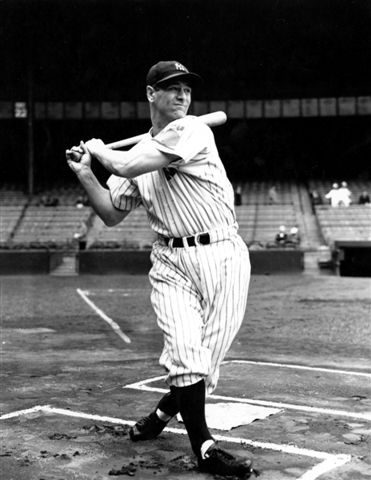
Top 106 Baseball Players: #2 - Lou Gehrig


Lou Gehrig

Lou Gehrig was a great all-around player who rarely missed a game before he was forced into an early retirement by the disease that was named for him and took his life soon afterward.

Gehrig first joined the Yankees in 1923, as a 19-year-old, and was used sparingly as a pinch hitter in his first two years, and wasn't included on the postseason roster when they won the 1923 World Series. Midway through the 1925 season, first baseman Wally Pipp sat out with a headache, allowing Gehrig to start the game, and he didn't sit out another game until 1939.

He had his breakout season in 1927, the year in which the Yankees' lineup was known as Murderer's Row. He batted directly behind Babe Ruth in the lineup for most of his career, but still managed to lead the league in RBI's 5 times, including that season. He broke Ruth's record by knocking in 175 RBI's that season, fell two short of Ruth's record for extra-base hits, and 10 short of his record for total bases. Though Ruth set the record with 60 home runs that year, Gehrig was awarded the league's MVP.

Gehrig had won his first World Series in 1927, but he had his best World Series in 1928, when he hit .545 with 4 home runs and 9 RBI in a 4-game sweep of the Cardinals. He would finish his career with 6 total championships, spread out from 1927 to 1938, his final full season.

From 1930 to 1932, Gehrig had a total of 509 RBI, which is a higher total than any other player had in their 3 best career seasons. That included 185 in 1931, which is the highest in AL history and the second-highest of all time. He also tied with Babe Ruth for the home run title for the first time in his career, and he was the MVP runner-up in both 1931 and 1932.

In 1932, he became the first player ever to hit 4 home runs in a game, and nearly had a fifth that was pulled back from over the fence by an outfielder. He and Ruth were able to lead the Yankees back to the World Series that year after a 3-year absence, and Gehrig was again the driving force behind a sweep, this time against the Cubs. He hit .529 with 3 home runs and 8 RBI in the series as he took home his third ring.

That was Ruth's last great season, and Gehrig took over as the team's biggest star for the next several years. In 1934 he won the Triple Crown with 49 home runs, 166 RBI, and an average of .363, and led the league in total bases. In each of the next 3 seasons, he led the league in walks, and won a second MVP in 1936 when he also led the league in home runs and runs scored.

Between 1926 and 1938, Gehrig did not miss a single game, and also surpassed both 100 runs scored and 100 RBI in each season. He started to feel tired midway through the 1938 season, and when he was unable to hit with any power or cover first base through the first few games of 1939, he voluntarily removed himself from the lineup after playing 2130 straight games, and he would never play again.

He was diagnosed with ALS in June, and a ceremony was held to honor him between games of a doubleheader on July 4th, during which he gave his famous farewell speech and was honored by being the first player ever to have his number retired by any team. After the season ended, a special election was held to induct him into the Hall of Fame before his death, and he was the youngest elected until Sandy Koufax.

In addition to the impressive RBI records listed above, he also holds the record for most times reaching 400 total bases in a season, and is one of only 2 players to hit 40 doubles and 40 homers in the same season 3 times, along with Albert Pujols. He holds the record by scoring the game-winning run in 8 different World Series games, and is definitely one of the all-time great men in baseball history, as well as one of the greatest players ever.


Wednesday, August 1, 2018

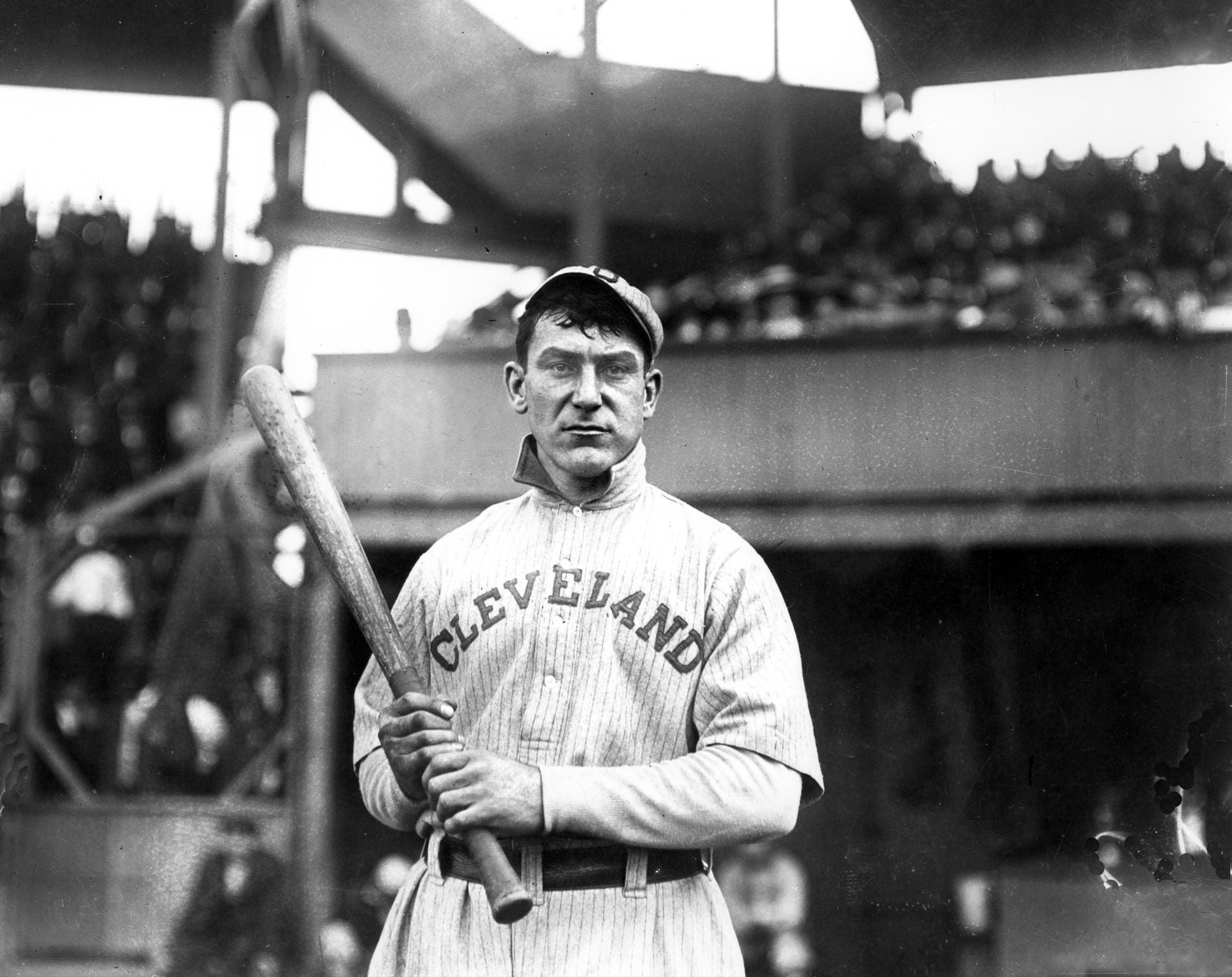
Top 106 Baseball Players: #7 - Ty Cobb


Ty Cobb

Ty Cobb was one of the greatest all-around players in the early days of the game, and held many record that stood for decades, and one big one that still stands.

Cobb played his first season with Detroit in 1905, when he was just 18 years old. He hit only .240 that season, but it would be the only time in a 24 year career that he would hit below .310. In his third season, he became the youngest player to win a batting title, with a .350 average, though that record would later be broken by Al Kaline, who was 12 days younger when he won his first. Cobb also led the league in hits, RBI's, and stolen bases that year.

That was also the first season Cobb would reach the World Series, but he hit only .200 against the Cubs and they lost the series in 5. He would lead them back to the final series in each of the next two seasons, but they lost each time, even though Cobb did play well in the 1908 series, and he never did end up winning a championship.

In 1908, he led the league in the same categories as the year before, but also added doubles and triples to his leading categories. The next year he won his only Triple Crown, when he led the league in home runs for the only time in his career. Interestingly, all 9 home runs he hit that year were inside the park, making him the only home run champ in history who didn't hit one over the fence.

Cobb had his best season in 1911, when he hit .420, which was the record for many years until it was eclipsed by Rogers Hornsby. He also led the league in runs, RBI's, hits, doubles, triples, stolen bases, total bases, and slugging, and fell just 3 homers short of the home run title, which would have given him every major statistical category.

He won 12 batting titles between 1907 and 1919, losing only in 1916, and his 12 batting titles are still an all-time record. His career batting average of .366 is still the highest of all time, and may stand forever. He hit over .350 in 16 of his 24 seasons, and reached .400 3 times, along with those 23 straight seasons over .300.

He was also the all-time hit leader for hits until Pete Rose passed him in 1985, and he was the first member of the 4000 hit club. He was the all-time runs leader until 2001, when Rickey Henderson surpassed him, and he is still #2 in each of those categories. He was the leader in stolen bases until 1977, when Lou Brock moved past him, and he has since fallen to #4 on that list. His record of 54 times stealing home is still the record, along with the 5 times that he stole 2nd, 3rd, and home in succession.

Cobb was also a member of the first group elected to the Baseball Hall of Fame, and was the leading votegetter of the group, which included Babe Ruth, Walter Johnson, Honus Wagner, and Christy Mathewson. His vote total was the highest by any player until Tom Seaver's election, and is still among the 5 highest in history. There is no doubt that Cobb is one of the greatest players ever to play the game.


Tuesday, July 24, 2018

Top 106 Baseball Players: #14 - Mickey Mantle


Mickey Mantle

Mickey Mantle was the greatest switch-hitter in history, and was a major part of the Yankees dynasty that dominated the 1950's.

Mantle joined the Yankees as a rookie in 1951, which was Joe DiMaggio's final season. In that year's World Series, Mantle and DiMaggio both went after a fly ball, with Mantle swerving at the last minute to avoid a collision and tripping over a drain pipe, which caused him to tear his ACL, an injury for which surgery was impossible at the time. He played the rest of his career on that injured knee.

He showed improvement the next season after being shifted to center field to replace DiMaggio, and had a great World Series, batting .345 with 2 home runs as the Yankees beat the Dodgers in 7 games. He took home his third World Series title in his third season, a pretty good way to start a career.

He became a superstar in 1956, when he became the only switch-hitter in history to win the Triple Crown, batting .353 with 52 home runs and 130 RBI, each of which led both leagues, making him the most recent player to lead both leagues in all 3 categories. He won the MVP that season, then hit 3 home runs in the World Series as he became a champion for the 4th time.

He won another MVP the next season, hitting a career-high .365, though he lost out to Ted Williams in the batting race, but he also led the league with 146 walks. In 1960 he led the league in home runs for the 4th time, then had a great World Series again, batting .400 with 3 home runs and 11 RBI, but the Yankees fell to the Pirates in 7 games that year.

The 1961 season was a big one for Mantle and the Yankees, as he and teammate Roger Maris were locked in a race to beat Babe Ruth's single-season home run record, but a late-season hip injury cause Mantle to fall behind and finish with 54 as he watched his teammate break the record.

He won his third MVP in 1962, after leading the league in walks, on-base percentage, and slugging percentage, even after missing nearly 40 games due to injuries. He had his last great season in 1964, when he finished as the MVP runner-up, then hit another 3 home runs in the World Series, though they lost to the Cardinals that season.

Mantle played in 12 World Series during his career, coming away with 7 championships, and holds several career World Series records, including home runs, walks, runs scored, RBI's, and total bases. When he retired, he was #3 in career home runs, though he has fallen to #18 over the past 50 years. He is still #8 all-time in walks, and one of the greatest players in the history of the sport.


Sunday, July 22, 2018

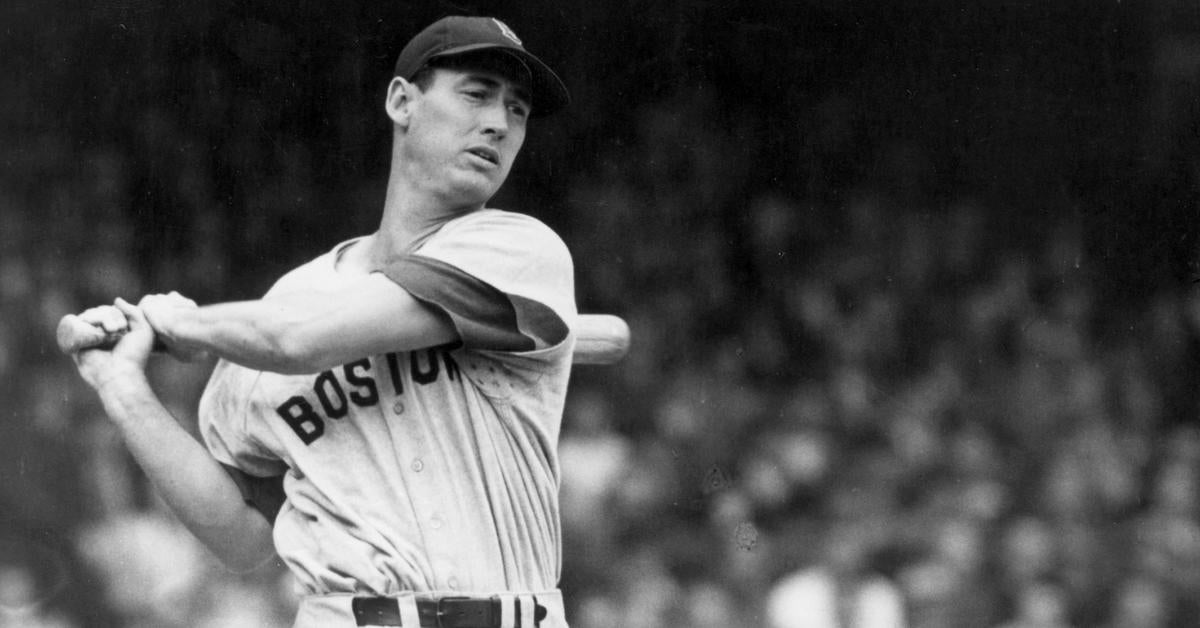
Top 106 Baseball Players: #16 - Ted Williams


Ted Williams

Ted Williams is known by many as the greatest hitter in the history of baseball, and he would have been one of the 5 greatest players ever if military service hadn't interrupted his career.

Williams was an immediate success when he arrived in Boston in 1939, leading the league in ERA as a rookie with 145, becoming the first rookie ever to lead the league in that category. The Rookie of the Year award did not exist yet, but he would have won it easily if it had.

In his third season, he had a memorable year. He hit .406, which is still the highest average by any player in the past 90 years, and the last time a player hit .400 for a full season. He also led the league in runs, home runs, walks, on-base percentage, and slugging percentage, but did not win the MVP because of Joe DiMaggio's record hitting streak.

The next season he led the league in all of the same categories, and added RBI's to the list as well, which earned him his first Triple Crown, but he was once again deprived of the MVP he earned, finishing as the runner-up for the second year in a row. It would be a few years before he got to compete for an MVP again, because he was drafted into the Army to fight in World War II.

When he returned to Boston in 1946, he had not lost a step. He led the league in runs, walks, on-base percentage, and slugging, and led the Red Sox to the pennant, which meant that he was able to play in his first and only World Series. Unfortunately, he was hit by a pitch in an exhibition game just prior to the series, and it prevented him from swinging freely, resulting in a series loss.

He was great again for the next couple years, including another Triple Crown in 1947, then had an amazing season in 1949, when he led the league in doubles, homers, runs scored, RBI's, walks, on-base percentage, and slugging. He fell just .0002 short of the batting title that year, depriving him of a 3rd Triple Crown, and also set a record by reaching base in 84 straight games, which is still the record today, and received his 2nd MVP, though it should have been his 6th.

He missed a good chunk of the next season with a broken arm, but came back strong in 1951 to lead the league in walks again, his 7th consecutive full season leading the league in that category. He hit over .400 in both 1952 and 1953, but only played a total of 43 combined in those seasons due to being called back into active military duty in Korea.

He led the league in walks and on-base percentage again in 1954, which made 9 straight full seasons leading the league in on-base percentage. He retired before the start of the 1955 season, but changed his mind a couple months in and came back to the lineup to finish the season. Over the next 3 seasons he led the league in on-base percentage again each time, along with 2 more batting titles, the final one coming when he was 40 years old.

Williams was known for his patience at the plate, and it was said that he never swung at the first pitch, feeling that it allowed him to get a feel for the pitcher's "stuff." This allowed him to get on base with greater regularity than any other player ever, with a .482 career on-base percentage that is the best of all time.

He also has the highest batting average of any player who began playing after 1920, and is #8 all time in that category. He is among the top 20 all time in runs, home runs, and RBI's, and is #4 in walks. He was considered by most to be a liability in the field, but there is no doubting that he was one of the greatest ever at the plate, would probably have been the second-greatest player of all time if he hadn't missed nearly 5 years to the military, and is definitely one of the greatest players of all time.


Sunday, July 8, 2018

Top 106 Baseball Players: #28 - Carl Yastrzemski


Carl Yastrzemski

Carl Yastrzemski was one of the greatest Red Sox players in history, playing 23 years with the team, and is also one of the best players in history who never won a championship.

Yaz joined the Red Sox in 1961, and he had some big shoes to fill, because his position in left field had previously been filled by Ted Williams, who had retired after the 1960 season. By his third season, he had become a pretty good player, leading the league in hits, doubles, walks, and batting average.

He had his best season in 1967, when he took home the Triple Crown with a .326 average, 44 homers, and 121 RBI, while also leading the league in runs, hits, total bases, on-base percentage, and slugging. Heading into the final weekend of the season, he was tied with Harmon Killebrew for the home run lead, and the Red Sox were one game behind Killebrew's Twins for the AL pennant. Yaz went 7-8 with 6 RBI and a home run over those 2 games, winning both the Triple Crown and the pennant, and it would be the last batting Triple Crown for 45 years.

Yaz played extremely well in that year's World Series, batting .400 with 3 home runs and 5 RBI, but they lost to the Cardinals in 7 games due to Bob Gibson's historic pitching performance, the best by any pitcher in history up to that point. Had the Red Sox won, Yaz would have been the easy MVP of the Series, which would have gone nicely next to his regular season MVP from that season.

1968 was known as the Year of the Pitcher due to their dominance that year, and it resulted in the mound being lowered the next year, but it didn't affect Yaz. He was the only player in the league to bat over .300 that season, and he also led the league with 119 walks, but was denied the repeat MVP he deserved.

He continued his strong play for well over a decade after that point, eventually playing in 15 consecutive All-Star games and 18 overall. The Red Sox returned to the World Series in 1975, and while Yaz again played well, batting .350 in the playoffs, they fell in 7 games to the Reds. In 1976, at 36 years old, he hit 5 home runs over 2 games, which tied the all-time record.

Yaz retired in 1983, following 23 seasons with the Red Sox, which is tied with Brooks Robinson for the most seasons played with one team. He was the first AL player ever to reach 3000 hits and 400 home runs. He is the Red Sox all-time leader in runs, hits, doubles, RBI's, total bases, and games played, and is third in home runs.

He is also near the top of many all-time Major League leaderboards. He is #2 in games played and plate appearances, #6 in walks, #8 in doubles, #9 in hits, and #10 in total bases. His career postseason batting average is .369, and he played extremely well in both World Series losses in his career. His Triple Crown was a rare feat, and he is easily one of the greatest baseball players of all time.


Thursday, July 5, 2018

Top 106 Baseball Players: #30 - Frank Robinson


Frank Robinson

Frank Robinson was a groundbreaking player and manager for multiple teams in a long and outstanding career.

Robinson joined the Cincinnati Reds in 1956 when he was 20 years old, and he led the league in runs scored as a rookie, while also tying the rookie home run record, which was 38 (broken by Aaron Judge last season). That solid debut season earned him the Rookie of the Year Award.

He maintained that level of play for several seasons, before exploding in 1961, when he led the league with a .611 slugging percentage to go along with 117 runs and 124 RBI's. That season he led the Reds to the pennant, which resulted in a World Series loss to the Yankees, but he was awarded his first MVP award for the stellar season.

The next season he improved in nearly every single category, and had arguably his best season, when he hit .342, led the league with 134 runs and 51 doubles, and set career highs with 208 hits and 136 RBI. He only finished 4th in the MVP voting that year, even though he was even more deserving than the year before.

After 3 more years with the Reds, the team decided to move on from Robinson, trading him to the Orioles, and in his first season in Baltimore he had a season for the ages. He won the Triple Crown with 49 home runs, 122 RBI, and a .316 average, while also leading the league in runs and total bases, earning another MVP, and becoming the only player ever to win an MVP in each league.

The Orioles advanced to the World Series that year, and Robinson was named the MVP after hitting 2 home runs in the 4-game sweep of the Dodgers, including a solo shot to score the only run in the decisive final game. In a series dominated by pitching, Robinson was the offensive constant that made the difference.

From 1969 to 1971, the Orioles made 3 more playoff appearances, reaching the World Series each time, and they won the title in 1970 against Robinson's old team, the Reds, earning him a second championship ring. After the 1971 season, he was traded to the Dodgers, then to the Angels the following season.

Around this time Robinson decided that he wanted to become a manager, and because of that desire, he was traded to the Indians, where he was installed as player/manager, making him the first black manager in league history. Several years later, when he was hired to manage the Giants, he became the first black manager in the NL as well.

At the time of his retirement as a player, Robinson was #4 in home runs, behind Ruth, Aaron, and Mays, and has since fallen back to #10. His number was retired by Cincinnati, Baltimore, and Cleveland, making him one of only 2 players (along with Nolan Ryan) to have his number retired by 3 teams. He is still the only player to win an MVP in each league, a rare batting Triple Crown winner, a World Series MVP, and one of the greatest baseball players of all time.


Monday, July 2, 2018

Top 106 Baseball Players: #33 - Jimmie Foxx


Jimmie Foxx

Jimmie Foxx was one of the greatest power hitters in history, second only to Babe Ruth during his time, and his numbers still stand up against the best among today's players.

Foxx dropped out of high school to play minor league baseball when he was 16, and was signed by the Philadelphia Athletics when he was 17, playing sparingly with the team throughout the rest of his teenage years.

He had his breakout year in 1929, at the age of 21, when he hit .354 with 123 runs, 118 RBI, and 103 walks, and he only got better from there. The A's made the World Series that year, and Foxx was the biggest reason for their victory, batting .350 with 2 home runs and 5 RBI as they took down the Cubs in 5 games.

The A's returned to the World Series in each of the next two seasons as well, winning in 1930 but falling to the Cardinals in 1931. Foxx hit well over .300 in each of those Series as well, leaving his career World Series average at .344.

1932 was a monster season for Foxx, as he led the league with 151 hits, 169 RBI, and 58 home runs, the first major challenge to Babe Ruth's record of 60. Foxx actually hit 60 home runs that season, but two didn't count because the games were later called because of rain. He also hit .364 that season, just 3 points short of winning the Triple Crown, though he did still win the MVP easily.

He did win the Triple Crown the next season, though his numbers were all slightly lower than the previous season's. He had 48 home runs, 163 RBI, and a .356 average, surpassed 200 hits for the second year in a row, and won his second straight MVP.

He continued to produce at a high level for Philadelphia for two more years, but financial problems forced the team to get rid of most of its best players in the early 1930's, and Foxx was eventually sold to the Boston Red Sox, where he didn't miss a beat, batting .338 with 143 RBI in his first season up north.

He had his very best season with Boston in 1938, when he hit 50 homers and led the league with 175 RBI, 119 walks, and a .349 average. He also led the league in slugging and on-base percentage that year, and took home his 3rd MVP, which was the record until Barry Bonds broke it in 2001.

He nearly won another MVP the next year, finishing as the runner-up after leading the league in homers for the 4th time and batting .360. In 1940, he became the second player to reach 500 home runs, and he remained the youngest to reach that milestone until Alex Rodriguez beat him in 2007. It was also his 12th straight season with at least 30 homers, which was the record until Barry Bonds broke it in 2004.

Foxx is still on the all-time leaderboard in many categories, including the top 25 for home runs, total bases, runs scored, and walks, and is #10 in RBI's. He was the first to truly threaten Babe Ruth's home run record, and the records he held have only been broken by players who used steroids, making Foxx one of the greatest baseball players of all time.


Wednesday, June 6, 2018

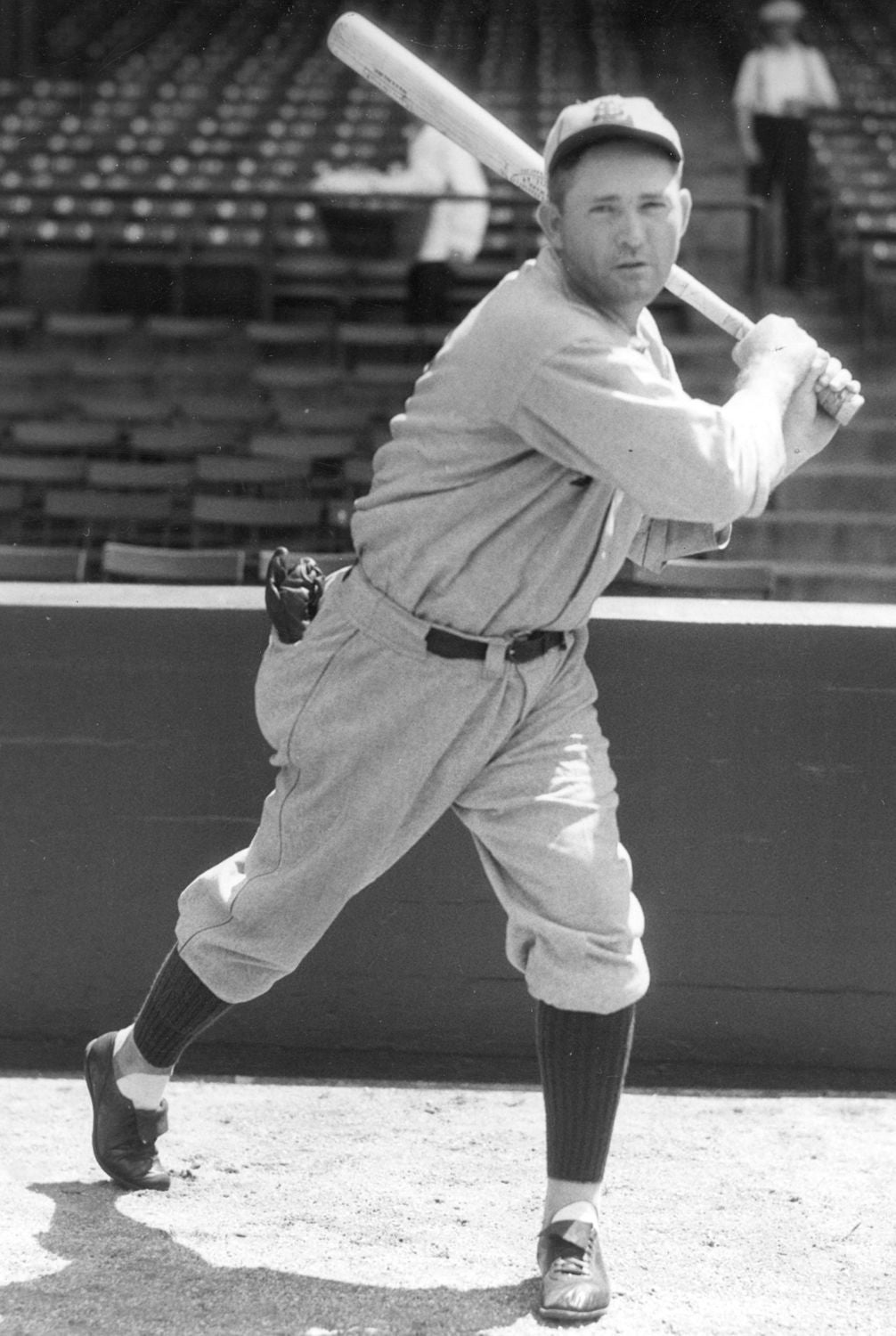
Top 106 Baseball Players: #57 - Rogers Hornsby


Rogers Hornsby

Rogers Hornsby was one of the greatest hitters in history, and a 2-time winner of the Triple Crown, but injuries and problems with managers and teammates shortened his career.

Hornsby's career started in 1915 with the Saint Louis Cardinals at 19 years old, and it took him a few years to work his way up to his peak. In 1917 he led the league in total bases and triples while batting .327, but those stats were tame compared to what was to come.

He burst onto the scene in 1920 with his first great season, and he was the best player in the NL for most of that decade. In 1920 he led the league with 218 hits, 44 doubles, 94 RBI, a .370 batting average, .559 slugging percentage, and 329 total bases. The MVP award did not exist at the time, but he most likely would have won it based on those numbers.

In 1921 he led the league in all of those same categories, but also added triples and runs scored to his collection while playing in every single game. In 1922 he fell behind in triples, but took the home run crown with a career-high 42, which earned him his first Triple Crown. His batting average was .401 that year, making him the only player in history to hit .400 with 40 home runs in a single season.

Hornsby missed a couple months in 1923 to a knee injury, so he led the league in batting and slugging, but none of the other categories due to the time missed. He returned with a vengeance in 1924, leading the league in runs, hits, doubles, walks, batting average, slugging, and total bases, and his batting average was .424, the highest of any player after 1900. The NL MVP award returned that year, but was given to Dazzy Vance, because one voter who did not like him left him off the ballot completely, though the Baseball Writers Association of America retroactively gave him the award in 1962, recognizing the obvious error in judgment.

In 1925 he won his second Triple Crown, with 29 homers, 143 RBI, and an average of .403, the third time he surpassed .400, becoming the first to do it twice, and one of only two to achieve the feat to this day (the other is Ted Williams).

He had his worst offensive year of the decade in 1926, but the Cardinals won the pennant and advanced to the World Series. He only hit .250 in the Series, but the Cardinals beat the Yankees in 7 games, with Hornsby recording the final out by tagging out Babe Ruth on a steal attempt.

A contract dispute after the championship led to him being traded to the Giants, and though he had a solid season, he didn't get along well with the team owner, who traded him again after the season to the Boston Braves. He led the league in batting for the 7th time during his season in Boston, but the Braves couldn't afford his contract and traded him to the Cubs after the season, his third time being traded in just over 2 years.

He led the league in hits in his first season in Chicago, and won the MVP for the second time after leading the Cubs to the pennant. He struggled again in the World Series, batting .238 and setting a record with 8 strikeouts in a 5-game loss to the Philadelphia Athletics. He broke his ankle early in the 1930 season, and for the rest of his career was used mainly as a pinch hitter.

Hornsby's domination of the 1920's was extremely rare. In fact, he led the NL in homers, RBI's, and batting average for the decade, making him one of only 4 players in history to win a decade Triple Crown, along with Honus Wagner, Ted Williams, and Albert Pujols.

Hornsby's career batting average of .358 is #2 all-time behind Ty Cobb, and is the best among right-handed hitters. Only Cobb, Wagner, and Tony Gwynn won more batting titles than Hornsby's 7, and he was the first NL player to reach 300 home runs. He only reached the postseason twice, and struggled both times, but he still ended up as a world champion, and is definitely deserving of recognition as one of the greatest baseball players of all time.


Sunday, June 3, 2018

Top 106 Baseball Players: #60 - Miguel Cabrera


Miguel Cabrera

Miguel Cabrera is the third active player to make this list, and has been one of the most complete all-around players for at least a decade.

Cabrera broke into the Majors in 2003 with the Florida Marlins, and was able to reach his first career World Series as a rookie, and he contributed to the upset victory over the Yankees with a home run off Roger Clemens in Game 4, and he ended up with the greatest team honor in his first season.

Cabrera played 4 more solid seasons for the Marlins, hitting at least 110 RBI in each, while also reaching 30 home runs and a .300 batting average 3 times. He was traded to the Tigers after the 2007 season, and signed the fourth-biggest contract in history at the time before even putting on a uniform.

In his first season with Detroit, he led the league in home runs and total bases, and within 2 years was the best player in the AL. In 2010 he led the league in RBI, in 2011 he led in batting average and doubles, and he finally put in all together in 2012, winning the first Triple Crown in 45 years with 44 homers, 139 RBI, and an average of .330.

In addition to the Triple Crown, he was also named the MVP, which seemed obvious when looking at his accomplishment. He was even better in 2013, matching the previous season's home run total, with just 2 fewer RBI and a league-leading .348 average, and he was again rewarded with the AL MVP award.

The Tigers reached the postseason in each of those 4 MVP-level seasons, but each time fell short of the championship. They reached the World Series in 2012, his first time reaching the final series in 9 years, but they fell to the Giants in 4 games. Cabrera had 3 more very good seasons after his back-to-back MVP's, but just a bit short of what had come to be expected of him.

Cabrera is among the active leaders in nearly every important category. He is #4 in hits and runs, #3 in doubles, RBI, slugging percentage, and total bases, and #2 in batting average, home runs, and walks. He is the closest active player to both the 3000-hit club and the 500-home run club, and could reach both within the next 2-3 years.

Cabrera is obviously one of the greatest players still on the field, and winning the Triple Crown in an era when it has become extremely rare is a huge achievement. At only 35 years of age, he still has a great opportunity to continue his climb, but for now it is pretty impressive to be ranked this high among the greatest players of all time.


Tuesday, May 29, 2018

Top 106 Baseball Players: #65 - Nap Lajoie


Nap Lajoie

Nap Lajoie was among the perennial batting leaders in the early part of the 20th century who had a career-long rivalry with Ty Cobb, and put together one of the best batting seasons ever seen.

Lajoie began his career in 1896 with the Philadelphia Phillies, and he had several solid seasons, even leading the league in doubles and RBI in 1898. After the 1900 season, the AL was formed, and the teams were offering larger contracts, so Lajoie jumped to the crosstown Athletics for a much larger payday, and the Phillies sued.

Lajoie had one of the greatest seasons in history in 1901 for the A's. He won the Triple Crown with 14 home runs, 125 RBI, and a .426 batting average, which is still the AL record. Not only did he win the Triple Crown, he also led the league with 145 runs scored, 232 hits, and 48 doubles, and would have been an easy choice for MVP if the award existed at the time.

Just as the following season started, the Pennsylvania Supreme Court ruled that his contract was void, and that the only team he could play for was the Phillies. It was determined that the ruling was only valid in Pennsylvania, so Lajoie was traded to the Cleveland Bronchos, who immediately changed their nickname to the Naps in his honor. For the next two years, Lajoie was forced to travel separately from the rest of his team to avoid entering Pennsylvania due to a subpoena related to the case, and he was unable to play any games within the state.

Lajoie led the league in batting average during his first 3 seasons in Cleveland, making it 4 in a row overall, and he again led the league in hits, doubles, and RBI in 1904. The streak came to an end in 1905, when he missed more than half the season due to blood poisoning from a spike injury and a broken ankle not long after his return.

Lajoie continued his stellar play for Cleveland for almost another decade, and even managed to win one more batting title in 1910 with a .384 average, the only break in Ty Cobb's dominance between 1907 and 1915. Lajoie hit over .300 in each of his first 12 seasons and 17 of his first 18 seasons, which is incredible for someone playing in the dead ball era.

When Lajoie retired, he was #2 all-time in hits, and is currently #14 on the list. His career batting average of .338 is #19 all time, and he is seventh among all players in doubles. He never played on a team that reached the postseason, which didn't even exist for 8 seasons early in his career, but that doesn't diminish his accomplishments on the field, especially his magical 1901 season, and he is definitely worthy of being remembered with the best players of all time.