Showing posts with label Scoring Leader. Show all posts

Saturday, October 30, 2021

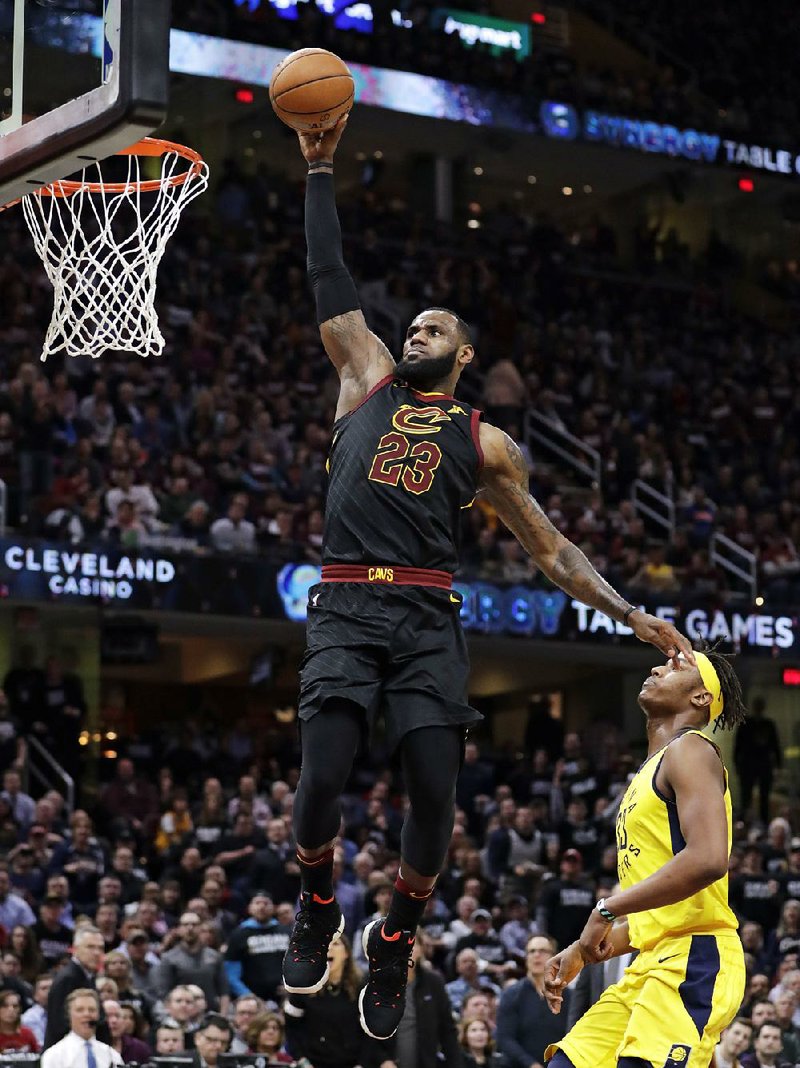
Top 100 NBA Players: #1 - LeBron James


LeBron James

Teams

Cleveland Cavaliers - 2003-10, 2014-18

Miami Heat - 2010-14

Los Angeles Lakers - 2018-present


Playoffs

Appearances - 15 (2006,2007,2008,2009,2010,2011,2012,2013,2014,2015,2016,2017,2018,2020,2021)

Conference Finals - 11 (2007,2009,2011,2012,2013,2014,2015,2016,2017,2018,2020)

NBA Finals - 10 (2007,2011,2012,2013,2014,2015,2016,2017,2018,2020)

Championships - 4 (2012,2013,2016,2020)


Awards and Honors

Rookie of the Year - 2004

MVP - 4 (2009,2010,2012,2013,2018,2020)

Finals MVP - 4 (2012,2013,2016,2020)

All-NBA First Team - 13 (2006,2007,2008,2009,2010,2011,2012,2013,2014,2015,2016,2017,2018,2020)

All-NBA Second Team - 3 (2005,2007,2021)

All-NBA Third Team - 1 (2019,2021)

*(actual in bold, deserved in italics)


All-Time Ranks

Total Points - #3

Points Per Game - #6

Total Assists - #8

Three-Pointers Made - #13

Total Steals - #14

Assists Per Game - #23

Total Rebounds - #46

Steals Per Game - #70


League Leads

Total Points (#1-2018, #2-2005,2006,2007,2008,2009,2010,2011,2012, #3-2013,2014, #4-2015,2016)

Points Per Game (#1-2008, #2-2009,2010,2011, #3-2005,2006,2012,2014,2015,2018, #4-2007,2013, #5-2016)

Total Assists (#1-2020, #2-2018, #5-2005,2017)

Total Steals (#2-2005, #4-2012)

Field Goal Percentage (#4-2014, #5-2013)

Assists Per Game (#1-2020, #2-2018)

Steals Per Game (#3-2005,2012)


After winning 3 state championships in 4 years of high school, LeBron James was drafted by his hometown Cleveland Cavaliers with the #1 overall pick in the NBA Draft.

James had a very strong rookie season, averaging 20.9 points, 5.5 rebounds, and 5.9 assists, and was the runaway winner of the Rookie of the Year award. He helped the Cavaliers double their win total from the previous year, but they still fell short of missing the playoffs.

In his second season, he averaged 27.2 points, 7.4 rebounds, and 7.2 assists, a clear improvement over the previous season, and was named to the All-NBA Second Team, the first of 17 straight seasons being named to one of the teams, a streak that is still active and the longest of any player in history. The team improved again, but still fell just short of making the playoffs.

In his third season, he averaged a career high 31.4 points per game, along with 7.0 rebounds, and 6.6 assists, and finished as the MVP runner-up. He led Cleveland to the playoffs for the first time in his career, and they advanced to the second round, where their playoff run ended.

In 2007, his regular season averages dropped off a bit, but in the playoffs, he led Cleveland all the way to the NBA Finals despite not having any other star players on the roster. They faced the experienced Spurs in that series, and LeBron was unable to overcome the star power of San Antonio, who swept the series.

The next year, LeBron led the league in scoring for the first time with 30.0 per game, along with 7.9 rebounds and 7.2 assists per game, but the team lost to Boston in the second round. The next year, he led Cleveland to 66 wins, best in the league, and won his first MVP award. He led the Cavaliers to the Conference Finals, but despite his 35.3 points per game in the playoffs, they weren't able to beat the Magic, losing one step short of the Finals for the only time in his career so far.

He led Cleveland to the best record in the league again the next season, and won a second straight MVP after averaging 29.7 points, 7.3 rebounds, and 8.6 assists. Despite this, they only reached the second round of the playoffs, losing to Boston in 6 games, even though LeBron had a triple-double in the final game.

After that season, LeBron decided to leave Cleveland as a free agent and sign with Miami, though he officially ended up being traded for 4 draft picks. He joined former Finals MVP Dwyane Wade on the Heat, and the pair was able to lead Miami to the NBA Finals, but LeBron struggled in that series, averaging only 17.8 points per game, and they lost to Dallas in 6 games.

He bounced back in a big way the next season, averaging 27.1 points, 7.9 rebounds, and 6.2 assists, and won his third MVP in 4 seasons. He led Miami back to the Finals, and averaged 28.6 points, 10.2 rebounds, and 7.4 assists against the Thunder, including a triple-double in the deciding 5th game, winning his first championship and Finals MVP as a result.

The next year he led the Heat to the best record in the league while his averages remained pretty much the same as the year before, which earned him his 4th MVP award, a number surpassed by only Michael Jordan and Kareem Abdul-Jabbar. He led Miami back to the Finals, where they beat the Spurs in 7 games, with LeBron scoring 37 in the final game to earn his second straight Finals MVP.

The Heat struggled with injuries the next year, with LeBron being one of the few players to remain healthy throughout the year, but he was still able to lead Miami to the Finals for the 4th year in a row. They had a rematch with the Spurs, his third time facing them in the Finals, and they ended up falling short, losing to San Antonio in 5 games.

After that season, LeBron decided to leave as a free agent and return to Cleveland, feeling that he still owed the city a championship. He had another strong season back with the Cavaliers, and led them to the Finals for the second time in team history, where they faced Golden State. James averaged 35.8 points, 13.3 rebounds, and 8.8 assists in the Finals, but it wasn't enough to beat the Warriors, who took the title in 6 games.

The next year, Cleveland coasted through the first 3 rounds of the playoffs, losing only 2 games on their way back to the Finals, where they met the record-setting 73-win Warriors. Cleveland fell behind 3-1 in the Finals, but LeBron had back-to-back 41-point games to even the series, then a triple-double in Game 7 to complete the comeback. He averaged 29.7 points, 11.3 rebounds, 8.9 assists, 2.6 steals, and 2.3 blocks in the Finals, becoming the first player ever to lead both teams in all 5 categories in a playoff round and earning his 3rd Finals MVP.

He led Cleveland back to the Finals again the next year, the 7th year in a row that he would play in the last round, and they were once again facing the Warriors, this time with Kevin Durant added to their rivals. James became the first player to ever average a triple-double in the Finals, with 33.6 points, 12.0 rebounds, and 10.0 assists, but it wasn't enough to prevent Cleveland from losing in 5 games.

In his 4th season back in Cleveland, he reached the NBA Finals yet again, the 8th straight time he had reached that point, something that has never been done by anyone who didn't play for the Celtics in the 1960s. He had another great individual series, but the team had traded away Kyrie Irving before the season, leaving him without a star teammate, and Cleveland's season ended in a sweep.

He decided to leave Cleveland again after that season, joining the Lakers as a free agent, hoping to resurrect another franchise that had missed the playoffs for several years in a row. He injured his groin on Christmas Day, the first major injury of his career, and he ended up missing 27 total games, and the Lakers were unable to reach the playoffs without their star on the court.

The Lakers traded for Anthony Davis before the next season, and LeBron shifted to playing more of a point guard role, even leading the league in assists with 10.2 per game. He was named to the All-NBA First Team for the 13th time, 2 more than any other player in history, and led the Lakers to the NBA Finals, where they beat the Heat in 6 games, with James earning his 4th Finals MVP, becoming the second-oldest player to ever win the award.

Last season, James suffered an ankle injury that caused him to miss the most games he has ever missed in his career, returning just in time to start the playoffs. He did finish the season with an average of 25.0 points per game, marking the 17th year in a row he had met that mark, but the Lakers lost in the first round of the playoffs after Davis suffered a groin injury, spoiling their chance at a repeat. 

LeBron James has played at a high level for longer than any other player in history. He has averaged at least 25 points per game for the past 17 seasons, 5 more than any other player ever, and has reached the NBA Finals 10 times, a number only Sam Jones and Bill Russell have surpassed, though James is the only one who was the best player on all 10 Finals teams. He has been named to the All-NBA First Team 13 times, all well-deserved, which is 2 times more than anyone else, and he is still playing at the same high level, which leaves room to extend all of those marks.

He is currently #3 on the all-time scoring list, behind only Kareem and Karl Malone, and is also #8 on the all-time assist leaderboard, the only player in the top 30 who was not a point guard. His career scoring average of 27.0 per game is #6 all time, despite the fact that he has only led the league in scoring once. There are many players with great longevity, many with great playoff success, many who are great in 2 or 3 different statistical categories, but LeBron James has excelled in all of these areas, and is the greatest to ever play the game of basketball.


Friday, October 29, 2021

Top 100 NBA Players: #2 - Kareem Abdul-Jabbar


Kareem Abdul-Jabbar

Teams

Milwaukee Bucks - 1969-75

Los Angeles Lakers - 1975-89


Playoffs

Appearances - 18 (1971,1972,1973,1974,1977,1978,1979,1980,1981,1982,1983,1984,1985,1986,1987,1988,1989)

Conference Finals - 14 (1970,1971,1972,1974,1977,1980,1982,1983,1984,1985,1986,1987,1988,1989)

NBA Finals - 10 (1971,1974,1980,1982,1983,1984,1985,1987,1988,1989)

Championships - 6 (1971,1980,1982,1985,1987,1988)


Awards and Honors

Rookie of the Year - 1970

MVP - 6 (1971,1972,1974,1976,1977,1979,1980)

Finals MVP - 2 (1971,1980,1985)

All-NBA First Team - 10 (1970,1971,1972,1973,1974,1975,1976,1977,1978,1979,1980,1981,1984,1986)

All-NBA Second Team - 5 (1970,1978,1979,1982,1983,1984,1985)

Hall of Fame - 1995

*(actual in bold, deserved in italics)


All-Time Ranks

Total Points - #1

Total Blocks - #3

Total Rebounds - #4

Blocks Per Game - #8

Points Per Game - #17

Field Goal Percentage - #21

Rebounds Per Game - #31

Total Assists - #45


League Leads

Field Goal Percentage (#1-1977, #2-1971,1972,1974,1979,1980, #3-1973, #4-1975,1978,1982,1983,1985, #5-1976,1981,1987)

Total Points (#1-1970,1971,1972, #2-1973,1974,1976,1977, #4-1975,1981, #5-1980)

Points Per Game (#1-1971,1972, #2-1970,1973,1976, #3-1974,1975,1977, #4-1978,1981)

Total Blocks (#1-1976,1977,1979,1980, #2-1974,1975,1981, #4-1978,1982)

Rebounds Per Game (#1-1976, #2-1977, #3-1970,1972,1979, #4-1971,1973,1974, #5-1975)

Blocks Per Game (#1-1975,1976,1979,1980, #2-1974,1977,1978, #3-1981,1982)

Total Rebounds (#1-1976,1977, #2-1972, #3-1970,1971,1974, #4-1979, #5-1973)


After being named the National Player of the Year 3 times, winning 3 straight national championships, and 3 straight Most Oustanding Player of the NCAA Tournament awards at UCLA, Kareem Abdul-Jabbar (then known as Lew Alcindor) was the #1 overall pick in the NBA Draft by the Milwaukee Bucks.

As a rookie, Alcindor finished #2 in the league in scoring, with 28.8 per game, and third in rebounding with 14.5, and was easily named the Rookie of the Year. He led the Bucks from the worst record in the East the year before to the #2 seed, and he had 46 points and 25 rebounds in the deciding game of the first round, before the team's season ended in the second round.

The team traded for Oscar Robertson before the next season, and finished the season with the league's best record, with Alcindor averaging a league-leading 31.7 points per game along with 16.0 rebounds and winning his first MVP award. They lost only 2 games on their way to the NBA Finals, where they swept the Bullets, winning the championship and earning Alcindor the Finals MVP as well.

After the championship season, he announced that he wanted to be known by his Muslim name, Kareem Abdul-Jabbar, which he had used privately for several years. He had another dominant season, averaging 34.8 points and 16.6 rebounds, his second straight year leading the league in scoring, but the Bucks lost to the record-setting Lakers team in the Conference Finals, ending their bid for a repeat title.

After a slightly down year in 1973 (30.2 points, 16.1 rebounds, and 5.0 assists per game) that ended in a first-round playoff loss, he won his 3rd MVP in 4 years in 1974, and led the Bucks back to the NBA Finals for the second time in their history. They played the Boston Celtics in that series, and Abdul-Jabbar averaged 32.6 points, but they lost in 7 games.

Abdul-Jabbar privately requested a trade after that season after the retirement of Oscar Robertson, but nothing came of it at the time. He played one more season with the Bucks, averaging 30.0 points, 14.0 rebounds, and leading the league in blocks with 3.3 per game in the second season the stat was recorded. Despite his individual success, the team missed the playoffs, the first time in his life that he did not reach the postseason.

He was traded to the Los Angeles Lakers during the offseason, and he had his best individual season, averaging 27.7 points, 5.0 assists, and league-leading 16.9 rebounds and 4.1 blocks, both career highs as well. He was named the MVP for the 4th time due to his great play, but despite his dominance, the Lakers missed the playoffs.

His individual numbers dropped a bit the next year, but he was able to lead the Lakers to the best record in the league, winning his 5th MVP along the way. They reached the Conference Finals, where they met Bill Walton and the Trail Blazers, and they ended up being swept by Portland.

He broke his hand punching an opponent in the first game of the next season, which caused him to miss 20 games, the only major injury of his career, and that was the only season in which he was not named an All-Star. The next year he led the league in blocks for the third time, but they lost in the second round, which was the second and last time in his career that he would have consecutive seasons without reaching the Conference Finals.

Magic Johnson was drafted by the team in 1979, and Kareem went on to win his record 6th MVP that year, with averages of 24.8 points, 10.8 rebounds, 4.5 assists, and 3.4 blocks, which led the league again. The Lakers went all the way to the Finals, winning the championship over Philadelphia in 6 games, with Kareem sitting out the final game due to injury.

Kareem was still the Lakers' best player for one more season, while Magic Johnson missed the majority of the season due to injury. He averaged 26.2 points and 10.3 rebounds, the 12th straight season that he averaged at least 23 points and 10 rebounds. He averaged at least 20 points per game for 5 more seasons, making it 17 in a row to start his career, a feat that has been surpassed by only LeBron James.

He went on to win 4 more championships with the Lakers, 3 as the sidekick to Magic Johnson, and even won another Finals MVP in 1985, 14 years after his first. By the time he won his 6th and final championship in 1988, he was no longer playing at a star level, but he returned for one final season, retiring in 1989 at the age of 42.

Kareem has been the NBA's all-time scoring leader since he passed Wilt Chamberlain's record in 1984, and he is also currently #4 in rebounds and #3 in blocks, despite the stat not being tracked during his first 4 seasons. He reached the Conference Finals 14 times in his career, more than any other player ever, and played in 10 NBA Finals more than anyone but Bill Russell and Sam Jones. He won 6 championships, and was either the best or second-best player on 5 of those teams, and won 6 MVPs, the most of any player ever. No matter how you look at his career, he was one of the greatest players of all time.


Thursday, October 28, 2021

Top 100 NBA Players: #3 - Michael Jordan


Michael Jordan

Teams

Chicago Bulls - 1984-93, 1995-98

Washington Wizards - 2001-03


Playoffs

Appearances - 13 (1985,1986,1987,1988,1989,1990,1991,1992,1993,1995,1996,1997,1998)

Conference Finals - 8 (1989,1990,1991,1992,1993,1996,1997,1998)

NBA Finals - 6 (1991,1992,1993,1996,1997,1998)

Championships - 6 (1991,1992,1993,1996,1997,1998)


Awards and Honors

Rookie of the Year - 1985

MVP - 5 (1988,1989,1990,1991,1992,1993,1996,1998)

Finals MVP - 6 (1991,1992,1993,1996,1997,1998)

Defensive Player of the Year - 1 (1988)

All-NBA First Team - 10 (1985,1987,1988,1989,1990,1991,1992,1993,1996,1997,1998)

All-NBA Second Team - 1 (1985)

Hall of Fame - 2009

*(actual in bold, deserved in italics)


All-Time Ranks

Points Per Game - #1

Total Steals - #3

Steals Per Game - #4

Total Points - #5

Total Assists - #47

Assists Per Game - #100


League Leads

Total Points (#1-1985,1987,1988,1989,1990,1991,1992,1993,1996,1997,1998)

Points Per Game (#1-1987,1988,1989,1990,1991,1992,1993,1996,1997,1998, #3-1985)

Total Steals (#1-1988,1990,1993, #2-1987,1989, #3-1991,1996, #4-1985,1992)

Steals Per Game (#1-1988,1990,1993, #2-1987, #3-1989,1991,1996, #4-1985)


After hitting the championship-winning shot as a freshman at North Carolina, then winning the College Player of the Year award as a junior, Michael Jordan entered the NBA Draft, where he was selected by the Chicago Bulls with the #3 overall pick.

As a rookie, Jordan finished with the third-highest scoring average in the league, pouring in 28.2 per game, along with 6.5 rebounds, 5.9 assists, and 2.4 steals, which earned him the Rookie of the Year award despite solid play from Hakeem Olajuwon that year as well. He was able to help the Bulls make the playoffs for the first time in 4 years, but they lost in the first round to Milwaukee.

Jordan broke his foot in the third game of his second season, and ended up missing 64 games while recovering, but returned for the end of the regular season and the playoffs. In Game 2 of the first round, he scored a playoff-record 63 points against the Boston Celtics, but they lost that game and were swept in the series.

He was fully healthy the next season, and led the league by scoring 37.1 points per game, becoming only the second player to score 3000 points in a season, but the playoffs brought more disappointment, as Jordan and the Bulls were swept by the Celtics in the first round, the third year in a row that they failed to win a playoff series.

Scottie Pippen joined the team the next year as a rookie, and Jordan had another great year, leading the league with 35.0 points per game and 3.2 steals, and won both the MVP and Defensive Player of the Year awards. He also won a playoff series for the first time, but the Bulls lost to Detroit in the second round in 5 games.

He led the league in scoring again the next year, but his averaged dropped to 32.5, but he averaged career highs in rebounds and assists, averaging 8.0 of each for the season. That year he was able to lead the Bulls one step farther in the playoffs, reaching the Conference Finals, but the Pistons ended their season again, knocking them off in 6 games.

He raised his scoring average back up to 33.6 the next year, and led the league in steals for the second time, with 2.8 per game, and set a career high by scoring 69 points in a March game against Cleveland. He took the Bulls back to the Conference Finals, where they met the Pistons again, and once again Detroit ended their season, this time in 7 games. 

Jordan won his second MVP the next year after averaging 31.5 points per game to lead the league for the 5th year in a row, and he led the Bulls to 61 wins. They reached the Conference Finals for the third year in a row and met the Pistons there again, but this time they swept their rivals to reach their first Finals. They faced Magic Johnson and the Lakers in that series, winning in 5 games with Jordan averaging 31.2 points per game to win his first Finals MVP.

His scoring dropped to 30.1 the next year, but was still good for the league lead, and the Bulls won 67 games, earning Jordan another MVP, the third of his career. The Bulls faced a tough path the to Finals, barely getting past the Knicks in the second round before beating Cleveland in 6 games in the Conference Finals, but Jordan averaged 35.8 in the Finals to knock off Portland in 6 games, winning his second Finals MVP.

Jordan played better the next year, finishing with 32.6 points, 6.7 rebounds, and 5.5 assists, but lost the MVP award to Charles Barkley of the Suns, who finished with the league's best record. He led the Bulls back to the Finals for the third year in a row, where they faced those Suns, and Jordan set a Finals record by averaging 41.0 points per game in the Finals as they beat Phoenix in 6 games.

Shortly before the start of the next season, Jordan surprised everyone by announcing his retirement after only 9 seasons in the NBA. He played minor league baseball during his time away, and the Bulls fell short of the Finals for the first time in 4 years. Near the end of the next season, with the Bulls struggling to make the playoffs, Jordan decided to return to the Bulls.

It took a few games to shake off the rust, but by the end of the regular season he was pretty much back to his former self, and the Bulls went 13-4 after his return to make the playoffs comfortably. They reached the second round of the playoffs, where they faced Shaq and the Magic, but despite Jordan's 31.0 points per game in the series, the Bulls lost a series with Jordan on the court for the first time since 1990.

Following that playoff loss, Jordan and the Bulls came back with a vengeance, setting a new record by winning 72 games that next season, with Jordan scoring 30.4 points per game to win his record 8th scoring title. The Bulls lost only one game on their way to the NBA Finals, where they beat the SuperSonics in 6 games to earn Jordan his 4th Finals MVP.

The Bulls won "only" 69 games the next year, and Jordan averaged "only" 29.6 points, but it was enough for the scoring title and the league's best record again. Karl Malone won that season's MVP, and just like in 1993, Jordan met the man who had beaten him for MVP in the Finals, and led the Bulls to a 6-game defeat of the Jazz for a 5th championship.

The next year, Chicago won only 62 games, and Jordan only scored 28.7 per game, but he won his 10th scoring title anyway. He led the Bulls to the Finals yet again, surviving a tough 7-game series against Indiana in the Conference Finals before knocking off Utah in 6 games for the second straight year, earning Jordan his record 6th Finals MVP (though Bill Russell did not have the chance to win any during his career).

He retired again before the start of the next season, and a year later joined the Washington Wizards as President of Basketball Operations. After a couple of years in the role, Jordan decided that he still wanted to play, and unretired once again to join the Wizards.

Jordan injured his knee in his first season with the Wizards, missing 22 games as a result, only the second time he had suffered a major injury in his career. He averaged 22.9 points per game, but wasn't able to lead the team to the playoffs, missing out on the postseason for the first time in his career. He played one more season with the team, averaging a career-low 20 points per game, and once again fell short of the playoffs. Following that season, he retired for the final time.

Jordan has the highest scoring average of any player in history, ahead of Wilt Chamberlain by a fraction of a point, and won more scoring titles than any other player ever. He also led the league in steals 3 times and is #3 on the all-time list for total steals. He won 6 championships and was the best player on each of those teams, an accomplishment eclipsed by only Bill Russell, and won 5 MVP awards, second to only Kareem Abdul-Jabbar's 6, though he probably deserved to have 7. He is definitely one of the greatest to ever play the game.


Wednesday, October 27, 2021

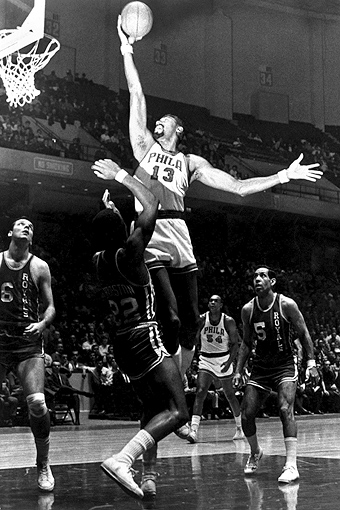
Top 100 NBA Players: #4 - Wilt Chamberlain


Wilt Chamberlain

Teams

Philadelphia/San Francisco Warriors - 1959-65

Philadelphia 76ers - 1965-68

Los Angeles Lakers - 1968-73


Playoffs

Appearances - 13 (1960,1961,1962,1964,1965,1966,1967,1968,1969,1970,1971,1972,1973)

Conference Finals - 12 (1960,1962,1964,1965,1966,1967,1968,1969,1970,1971,1972,1973)

NBA Finals - 6 (1964,1967,1969,1970,1972,1973)

Championships - 2 (1967, 1972)


Awards and Honors

Rookie of the Year - 1960

MVP - 4 (1960,1961,1962,1963,1964,1966,1967,1968)

Finals MVP - 1 (1967,1972)

All-NBA First Team - 7 (1960,1961,1962,1963,1964,1965,1966,1967,1968,1969)

All-NBA Second Team - 3 (1963,1965,1971,1972,1973)

Hall of Fame - 1979

*(actual in bold, deserved in italics)


All-Time Ranks

Total Rebounds - #1

Rebounds Per Game - #1

Points Per Game - #2

Total Points - #7

Field Goal Percentage - #36

Total Assists - #83


League Leads

Total Rebounds (#1-1960,1961,1962,1963,1966,1967,1968,1969,1971,1972,1973, #2-1964,1965)

Rebounds Per Game (#1-1960,1961,1962,1963,1966,1967,1968,1969,1971,1972,1973, #2-1964,1965)

Field Goal Percentage (#1-1961,1963,1965,1966,1967,1968,1969,1972,1973, #2-1962,1964, #3-1971)

Total Points (#1-1960,1961,1962,1963,1964,1965,1966, #3-1967,1968)

Points Per Game (#1-1960,1961,1962,1963,1964,1965,1966, #4-1968, #5-1967)

Total Assists (#1-1968, #3-1967, #3-1964)

Assists Per Game (#2-1968, #3-1967)


After 2 seasons at Kansas in which he averaged 29.9 points and 18.3, Wilt Chamberlain left college to become a pro, but since NBA rules at the time didn't allow him to play because he wasn't 4 years out of high school, he joined the Harlem Globetrotters for a year, then was drafted by the Philadelphia Warriors as a territorial pick because he was born and raised there.

In his rookie season, Wilt set new records for scoring and rebounding in a season, averaging 37.6 points and 27.0 rebounds per game. Due to his dominance, he was named the Rookie of the Year and the MVP, the first rookie ever to win that honor. In the playoffs, Wilt led the Warriors to the Conference Finals, where they met the Celtics. Chamberlain had 50 points and 35 rebounds in Game 5, but the team fell in Game 6 and their season was over.

Chamberlain broke both of his record averages again the next season, raising his league-leading averages to 38.4 points and 27.2 rebounds, and also led the league in shooting for the first time with an average of .509. He also set the single-game rebounding record that year, grabbing 55 in a game against the Celtics, breaking the record set by Bill Russell a couple of years earlier, but in the playoffs, his Warriors were swept by Syracuse in the first round.

The next year, Chamberlain had the single greatest statistical regular season of all time. He averaged 50.4 points and 25.7 rebounds per game, and set the all-time record by averaging 48.5 minutes per game, missing only 8 minutes in the entire season due to an ejection, but playing every overtime minute available to raise him above the 48 total minutes per game. He also scored his famous 100 points in a game, another record that nobody has ever approached. He led the Warriors to the NBA Finals for the first time, and tied the game with 16 seconds left in Game 7, but a basket by Sam Jones with 2 seconds left won the game and the series for the Celtics.

The team was sold after the season and moved to San Francisco, and many players either retired or requested trades rather than move to California. Chamberlain remained with the team, and had another amazing season with 44.8 points and 24.3 rebounds, both by far the best in the league again, but the team missed the playoffs after losing most of Wilt's supporting cast.

The next year saw Wilt average 36.9 points and 22.3 rebounds, and with solid rookie Nate Thurmond joining the team, the Warriors were much better, reaching the NBA Finals again, but losing to the Celtics again, this time in 5 games. At the next season's All-Star break, Wilt was traded back to his hometown of Philadelphia to play for the 76ers, who had recently moved from Syracuse.

He finished that season with the 76ers averaging 34.7 points and 22.9 rebounds, and led the 76ers to the Conference Finals, where he met up with Bill Russell and the Celtics again. The series went to 7 games, and Chamberlain had 30 points and 32 rebounds in the final game, but Boston still won the series and advanced to the Finals.

Chamberlain led the league in scoring for the 7th and final time in 1965-66, when he averaged 33.5 points and 24.6 rebounds per game, and led the 76ers to the best record in the league, winning his second MVP award. They met the Celtics in the Conference Finals again, but despite his 46 points and 34 rebounds in the final game, they lost to Boston once again in 5 games.

Philadelphia replaced their coach after that season, and new coach Alex Hannum convinced Wilt to be more of a team player, and the result was amazing. His scoring dipped to 24.1 per game, by far the lowest of his career to that point, but he led the league with 24.2 rebounds per game and had 7.8 assists per game as well. He also shot .683 from the field, which set a new record. The 76ers won 68 games, a record at the time, and finally beat the Celtics in the Conference Finals, with Wilt getting a triple-double of 29 points, 36 rebounds, and 13 assists in the deciding Game 5. They faced the Warriors in the Finals, and behind Wilt's 17.7 points and 28.7 rebounds per game, the 76ers won the title. The Finals MVP didn't exist yet, but Wilt would have been an easy choice to win the award.

He averaged 24.3 points and 23.8 rebounds the next year, and led the league with 702 assists, the only center ever to lead the league in assists. The 76ers had the league's best record for the 3rd straight year, and met the Celtics in the Conference Finals again, but after taking a 3-1 lead in the series, Boston fought back and became the first team to ever come back from down 3-1 to win a series, and Philly was unable to defend their title.

After the season, Wilt requested a trade away from Philadelphia, and was sent to the Los Angeles Lakers. At the time he was the 3-time defending MVP, and he was the first reigning MVP ever to be traded before the next season. He averaged over 20 and 20 again that season, and helped lead the Lakers to the Finals against Boston, but he injured his knee late in Game 7 and the team lost again.

Wilt got off to a great start the next season, averaging 32.2 points and 20.6 rebounds in the first 9 games before tearing his patellar tendon and missing almost the entire season as a result. He returned for the final 3 games of the season, then led LA back to the Finals, scoring 45 points and grabbing 27 rebounds in Game 6 to tie the series, but they lost to New York in Game 7 to finish another season in disappointment.

Wilt led the league in rebounding again the next year, averaging 18.2 per game for his 9th rebounding title, but the Lakers met Lew Alcindor (later Kareem Abdul-Jabbar) and Milwaukee in the Conference Finals, and they were unable to overcome the young superstar, losing the series in 5 games.

The next season, Los Angeles broke the league record by winning 69 games, breaking the record held by Wilt's 1967 76ers team, which included a record 33-game winning streak. The team easily advanced to the NBA Finals to face the Knicks again, and after Wilt broke his hand in Game 4, he played through it in Game 5, finishing with 24 points, 29 rebounds, and 8 assists to lead the team to a championship and win the Finals MVP award.

The next season, Wilt broke his own record by shooting an amazing .727 from the field for the season, and he led the league in rebounding for the 11th time, with 18.6 per game. He led the Lakers to the Finals again, where they faced the Knicks for the 3rd time in 4 years, but with several of his teammates out with injuries, Wilt wasn't able to beat New York, and the Lakers fell in 5 games.

After the season, Wilt signed with the San Diego Conquistadors of the ABA as a player-coach, but he still had an option year on his contract with the Lakers, who sued San Diego, preventing him from playing the season. He didn't enjoy coaching, and decided to retire after the season ended without ever playing in the ABA.

Wilt owns numerous NBA record, even nearly 50 years after his retirement, and was constantly leading the league in multiple categories. He led the league in scoring 7 times, rebounding 11 times, shooting percentage 9 times, and assists once, and was the only player to ever average 30 points and 20 rebounds in a season, which he did 7 times. He also finished his career averaging over 30 points and 20 rebounds per game, and he has the highest rebounding average of all time, and won 2 championships on 2 of the best teams of all time, and is obviously one of the greatest to ever play the game.


Tuesday, October 26, 2021

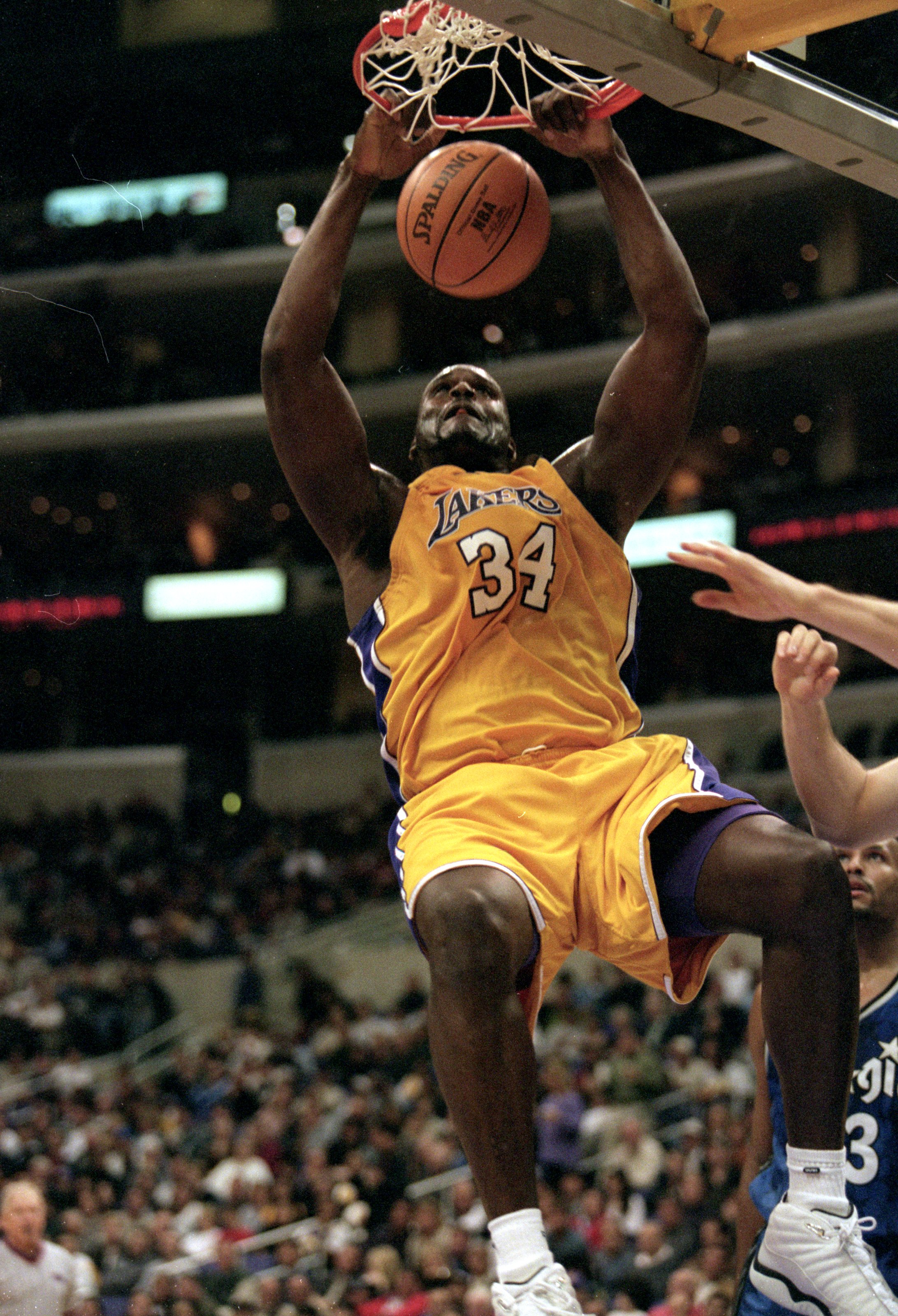
Top 100 NBA Players: #5 - Shaquille O'Neal


Shaquille O'Neal

Teams

Orlando Magic - 1992-96

Los Angeles Lakers - 1996-04

Miami Heat - 2004-08

Phoenix Suns - 2008-09

Cleveland Cavaliers - 2009-10

Boston Celtics - 2010-11


Playoffs

Appearances - 17 (1994,1995,1996,1997,1998,1999,2000,2001,2002,2003,2004,2005,2006,2007,2008,2010,2011)

Conference Finals - 9 (1995,1996,1998,2000,2001,2002,2004,2005,2006)

NBA Finals - 6 (1995,2000,2001,2002,2004,2006)

Championships - 4 (2000,2001,2002,2006)


Awards and Honors

Rookie of the Year - 1993

MVP - 1 (1995,1999,2000,2001)

Finals MVP - 3 (2000,2001,2002)

All-NBA First Team - 8 (1993,1994,1995,1998,1999,2000,2001,2002,2003,2004,2005,2006)

All-NBA Second Team - 2 (1995,1996,1999,2005)

All-NBA Third Team - 4 (1994,1996,1997,2006,2009)

Hall of Fame - 2016

*(actual in bold, deserved in italics)


All-Time Ranks

Field Goal Percentage - #8

Total Blocks - #9

Total Points - #10

Total Rebounds - #16

Blocks Per Game - #17

Points Per Game - #24

Rebounds Per Game - #40


League Leads

Field Goal Percentage (#1-1994,1998,1999,2000,2001,2002,2004,2005,2006,2009, #2-1995,2003, #3-1996, #4-1993,1997,2008)

Points Per Game (#1-1995,2000, #2-1994,1998,1999,2002, #3-1996,2001, #4-2003)

Total Rebounds (#2-1993,1994,1995,2000, #4-2001)

Total Blocks (#3-1993,2000, #4-1994,2001,2005)

Total Points (#1-1995,1999,2000, #2-1994, #3-2001)

Rebounds Per Game (#2-1993,1994,2000, #3-1995,2001)

 Blocks Per Game (#2-1993, #3-1997,2000, #4-2001)


After winning the college Player of the Year award as a sophomore and averaging 24.1 points, 14.0 rebounds, and 5.2 blocks as a junior, Shaquille O'Neal entered the NBA Draft, where he was taken by the Orlando Magic with the #1 overall pick.

Shaq was already a dominant force as a rookie, averaging 23.4 points, 13.9 rebounds, and 3.5 blocks per game, nearly matching his college averages. He easily won the Rookie of the Year, and nearly took the Magic from last place to the playoffs, missing out on the postseason due to a tiebreaker.

His scoring average jumped to 29.3 the next season, #2 in the league to David Robinson, and he led the league in field goal percentage by shooting .599 on the season, while also grabbing 13.2 rebounds per game. He had his first triple-double that year, getting 24 points, 28 rebounds, and 15 blocks in a game, and led the Magic to the playoffs, but they were swept in the first round.

In his third season, he led the league in scoring for the first time, pouring in 29.3 points per game again, and finished as the runner-up in the MVP voting. In the playoffs, the Magic defeated Michael Jordan and the Bulls in the second round, then Reggie Miller's Pacers in the Conference Finals to reach their first NBA Finals. Shaq averaged 28.0 points and 12.5 rebounds in that series, but they were swept by Hakeem Olajuwon and the Houston Rockets.

Shaq missed 28 games the next season due to injury, something that would become commonplace throughout his career, but the team still finished with 60 wins. They breezed through the first 2 rounds of the playoffs, meeting the 72-win Bulls in the Conference Finals, where their season ended in a sweep.

Shaq decided to leave Orlando as a free agent after that season, signing with the Los Angeles Lakers. He missed over 30 games that season due to injuries, and the Lakers were only able to reach the second round. He was healthier the next year, only missing 22 games, and he raised his scoring average back up to 28.3, but lost in the Conference Finals to the Jazz in another sweep.

He missed only 1 game the next season and led the league in field goal percentage for the second season in a row and the 3rd overall, but the team was in a constant state of flux that year, with numerous trades and a coaching change, and the instability contributed to the team falling in the second round of the playoffs to the Spurs.

Phil Jackson was hired as the coach after that season, and he brought out the best in O'Neal. He had his best season, leading the league with a career high 29.7 points per game, along with 13.6 rebounds and 3.0 blocks, both his highest since his rookie year. He was named the MVP that season, then dominated in the postseason, averaging 38.0 points and 16.7 rebounds per game in the Finals to win his first Finals MVP award.

He was nearly as dominant the next year, averaging 28.7 points and 12.7 rebounds, but lost the MVP vote to Allen Iverson. The Lakers took it out on everyone in the playoffs, losing only one game in the entire postseason on their way to a repeat title for the team and a repeat Finals MVP for Shaq.

His production decreased slightly the next year, as well as his games played, but when the playoffs came around, he was the same old Shaq, averaging 36.3 points and 12.3 rebounds in the Finals as the Lakers beat the Nets in a sweep, winning their 3rd straight title and Shaq's third straight Finals MVP.

He had toe surgery before the next season to deal with a long time issue, missing the first month of the season as a result. He still averaged 27.5 points and 11.1 rebounds once he returned, but his streak of 5 straight seasons leading the league in field goal percentage came to an end, as well as the Lakers' championship streak, which ended with a second-round playoff loss.

The team added Karl Malone and Gary Payton in hopes of making another title run, and Shaq's scoring average dropped to 21.5 per game, the lowest of his career up to that point. He did lead the league in shooting percentage again, and led the Lakers back to the Finals, but they were not able to beat the Pistons, losing in a huge upset in 5 games.

Problems between Shaq and Kobe led to O'Neal asking for a trade after the season, and he was sent to Miami during the offseason. He averaged 22.9 points per game on the season, led the league with .601 shooting from the field, finished as the MVP runner-up, and led Miami to the best record in the East and reached the Conference Finals before the Pistons ended his season again, this time in 7 games.

Shaq averaged 20.0 points per game the next season for the final time in his career, and it was the 14th straight season reaching that mark starting at the beginning of his career. Dwyane Wade blossomed into a star that year, and led the Heat to the Finals, where they beat the Dallas Mavericks in 6 games, while Shaq averaged only 13.7 points in the series.

Shaq missed half of the next season after having knee surgery at the beginning of the season, then the team lost Wade to an injury right after Shaq returned. The result was that Miami barely made the playoffs, and ended up being swept in the first round, the first time Shaq hadn't made it past that round since his second season in the league.

Shaq's production dropped significantly after that season, averaging only 13.6 points the next year, and he was traded at midseason to the Phoenix Suns. In his first full season with Phoenix, he had a bit of a resurgence, averaging 17.8 points per game and shooting a league-leading .609 from the field, which was the record 10th time he led the league in that category. Unfortunately, the team wasn't good, and he missed out on the playoffs for the first time since his rookie year.

He was traded to Cleveland after that season, hoping to chase a championship with LeBron James, but he broke his thumb and required surgery, causing him to miss over a month late in the season. He returned in the playoffs, but the team lost to the Celtics in the second round.

He signed with Boston as a free agent after his year with the Cavs, but spent most of the year injured. He returned in the second round of the playoffs, but was only able to manage 12 minutes on the court, and announced his retirement at the end of the season.

At his peak, Shaq was one of the most dominant players of all time. He led the league in field goal percentage 10 times, breaking Wilt Chamberlain's record of 9, and led the league in scoring twice while finishing as the runner-up 4 different times. During his best years, he won an MVP and probably should have won a couple more, and won 3 straight Finals MVPs, and is easily one of the greatest players to ever play the game.


Friday, October 22, 2021

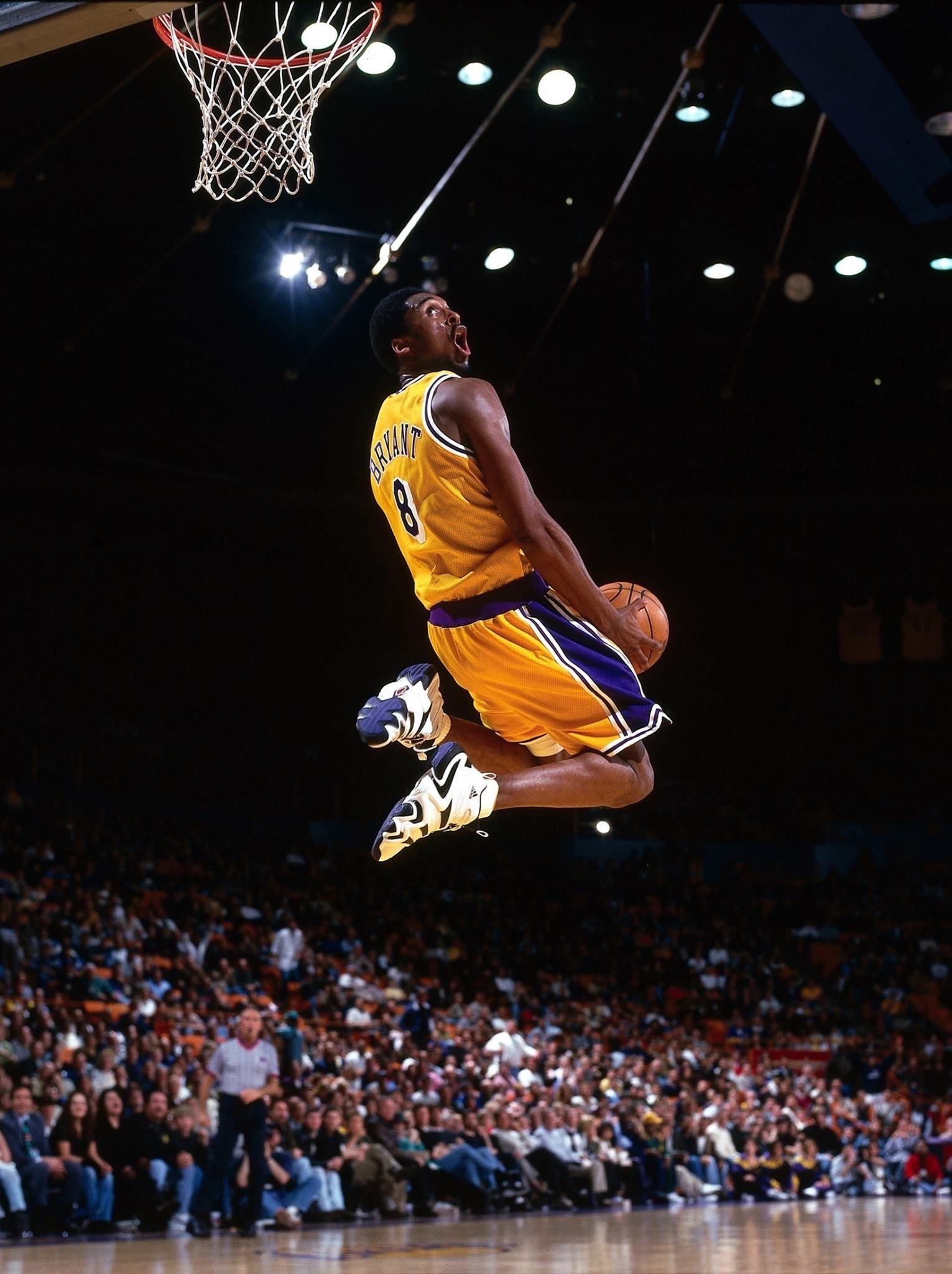
Top 100 NBA Players: #9 - Kobe Bryant


Kobe Bryant

Teams

Los Angeles Lakers - 1996-16


Playoffs

Appearances - 15 (1997,1998,1999,2000,2001,2002,2003,2004,2006,2007,2008,2009,2010,2011,2012)

Conference Finals - 8 (1998,2000,2001,2002,2004,2008,2009,2010)

NBA Finals - 7 (2000,2001,2002,2004,2008,2009,2010)

Championships - 5 (2000,2001,2002,2009,2010)


Awards and Honors

MVP - 1 (2008)

Finals MVP - 2 (2009,2010)

All-NBA First Team - 11 (2001,2002,2003,2004,2006,2007,2008,2009,2010,2011,2012,2013)

All-NBA Second Team - 2 (2000,2001,2004,2010,2011,2012,2013)

All-NBA Third Team - 2 (1999,2005)

Hall of Fame - 2020

*(actual in bold, deserved in italics)


All-Time Ranks

Total Points - #4

Points Per Game - #13

Total Steals - #17

Three-Pointers Made - #18

Total Assists - #31

Steals Per Game - #99


League Leads

Points Per Game (#1-2006,2007, #2-2003,2005,2008,2012, #3-2009,2013, #4-2001,2004,2010, #5-2011)

Total Points (#1-2003,2006,2007,2008, #2-2013, #3-2002,2009,2011,2012, #5-2010)

Total Steals (#3-2003, #5-2008)


After averaging over 30 points per game in each of his final two high school seasons, Kobe Bryant decided to skip college and enter the NBA Draft, where he was selected by the Charlotte Hornets with the #13 overall pick, who immediately traded him to the Lakers for Vlade Divac.

Kobe did not play much in his first season, and scored only 7.6 points per game, but he doubled that average to 15.4 in his second season, then raised it again in his third season to 19.9 per game in his first season as a starter. The Lakers had reached the Conference Finals in his second season, losing to Utah, while losing to the Spurs in the second round in 1999.

With the hiring of Phil Jackson to coach the Lakers after that season, the Lakers fortunes turned around overnight. Shaq became completely dominant while Kobe continued to grow into a star, averaging 22.5 points that season as the Lakers won 67 games. The Lakers reached the Finals, where they faced Indiana, winning the title in 6 games, though Kobe averaged only 15.6 per game in the series.

Kobe was named to the All-NBA Second Team for the second year in a row in 2001 after he raised his scoring average to 28.5 per game, along with 5.9 rebounds and 5.0 assists, and the Lakers completely dominated in the playoffs, sweeping through the first 3 rounds before losing a single game in the Finals, finishing the postseason with a 15-1 record and another championship. Bryant averaged 25.4 points in those Finals, much better than the season before, but Shaq was still the star of the team and the Finals MVP.

His scoring dropped to 25.2 the next season, but he was named to the All-NBA First Team for the first time in his career, an achievement that would become commonplace by the end of his career. The Lakers had a tougher path to the Finals that year, needing 7 games to beat the Kings in the Conference Finals, before sweeping the Nets in the Finals to win another title, the third straight for the Lakers.

The next year, Kobe finished second in the league in scoring with 30.0 per game, his first time beating Shaq for the team scoring lead, but the team lost to San Antonio in the second round of the playoffs. After adding Gary Payton and Karl Malone before the next year, they were favorites to win another championship, but it was a down year for Bryant, who scored only 24.0 per game, which dropped to 22.6 in the Finals as the Lakers lost to Detroit in 5 games.

Shaq was traded away after that season, largely due to problems with Kobe, and the Lakers missed the playoffs completely in Kobe's first season as the team's undisputed leader. When Phil Jackson agreed to return to coach the team the next year, Kobe had his best season, leading the league in scoring with 35.4 per game, including his famous 81-point game, the second-highest single game in history, but the Lakers lost to Phoenix in the second round of the playoffs.

He led the league in scoring again the next year, this time with 31.6 per game, but the Lakers lost to the Suns in the first round of the playoffs, ending his season earlier than he wanted yet again. After the season he demanded a trade, but nothing ever materialized, and he ended up returning to the team for his 12th season.

The Lakers traded for Pau Gasol before the season, and the addition of another star was huge for the Lakers. Bryant won the MVP after averaging 28.3 points per game, much lower than the previous 2 years, but the Lakers had the best record in the West, and they played that way in the playoffs, beating the Spurs in the Conference Finals to reach the Finals for the first time without Shaq. They faced the Celtics in that series, but fell to their longtime rivals in 6 games.

Kobe led the Lakers back to the Finals the next year, this time going through Denver to reach the final round, where they faced Dwight Howard and the Magic. Kobe averaged 32.4 points in the Finals, 5.6 higher than his regular season average, and finally won a championship as the star of the team, taking home his first Finals MVP in the process.

He averaged 27.0 per game in the regular season the next year, finishing in the top 5 in scoring again, and took the Lakers to their 3rd straight Finals, where they met up with the Celtics again. This time, they were able to get revenge for their loss 2 years earlier, and Kobe won his second straight Finals MVP after knocking off the Celtics in 7 games.

Bryant climbed into the all-time top 10 for scoring during the next season while averaging 25.3 per game, but the Lakers lost to Dallas in the second round of the playoffs. He came back with a 27.9 average the next year, but the result was another second round playoff loss. He was averaging 27.3 the next year when he tore his Achilles near the end of the season, and without their star, the Lakers fell in the first round.

After recovering from the Achilles injury, Kobe made his season debut in late December, playing in 6 games and averaging only 13.8 points per game before suffering a knee injury that ended his season. In his absence, the Lakers missed the playoffs for the first time in 9 years.

He came back healthy the next year, and averaged 22.3 points per game for the first few months of the season before suffering a shoulder injury that would once again end his season early, the third year in a row that he would not finish the season, and the second in a row that the Lakers would end up far from the playoffs.

He worked hard to come back for one final season, his 20th in the league, and though he wasn't his old self, he still averaged 17.6 points per game, and scored 60 points in his final game, becoming the oldest to ever reach that mark. The Lakers won only 17 games that season, the worst in team history, so his career ended with that final regular season game.

It took a few years for Kobe to become a star in the NBA, and his last few seasons were marred by injuries, but he was very good for those 14 years in the middle. He wasn't great when he won his first title, but was a big part of the next 2 championships in the sidekick role, before winning 2 titles late in his career as the big star. He won 2 scoring titles and is #4 on the all-time scoring list, and has the #13 scoring average in history, and he is definitely one of the best to ever play the game.


Wednesday, October 20, 2021

Top 100 NBA Players: #11 - Jerry West


Jerry West

Teams

Los Angeles Lakers - 1960-74


Playoffs

Appearances - 13 (1961,1962,1963,1964,1965,1966,1967,1968,1969,1970,1972,1973,1974)

Conference Finals - 10 (1961,1962,1963,1965,1966,1968,1969,1970,1972,1973)

NBA Finals - 9 (1962,1963,1965,1966,1968,1969,1970,1972,1973)

Championships - 1 (1972)


Awards and Honors

MVP - 0 (1970)

Finals MVP - 1 (1969,1972)

All-NBA First Team - 10 (1962,1963,1964,1965,1966,1967,1969,1970,1971,1972,1973)

All-NBA Second Team - 2 (1962,1963,1967,1968,1969)

Hall of Fame - 1980

*(actual in bold, deserved in italics)


All-Time Ranks

Points Per Game - #4

Total Points - #26

Total Assists - #32

Assists Per Game - #35


League Leads

Total Assists (#2-1972, #3-1971, #4-1964,1966,1973, #5-1967)

Total Points (#2-1965,1966,1970, #4-1967, #5-1962,1964)

Points Per Game (#1-1970, #2-1965,1966, #3-1964,1967, #4-1962)

Assists Per Game (#1-1972, #3-1964, #4-1967,1970, #5-1966)

Free Throw Percentage (#2-1964, #3-1967, #4-1966, #5-1965)

Field Goal Percentage (#4-1965,1968)


As a junior at West Virginia, Jerry West led the Mountaineers to the NCAA title game, and was named the Most Outstanding Player of the tournament even though they lost. As a senior, he averaged 29.3 points and 16.5 rebounds, playing as a small forward, and then was drafted by the Minneapolis Lakers with the #2 overall pick in the NBA Draft.

The Lakers moved to Los Angeles right after drafting West, and the team also signed West's college coach to take over, making him a bit more comfortable. Because he was small for an NBA forward, he was moved to guard in the NBA, and averaged 17.6 points, 7.7 rebounds, and 4.2 assists per game, not a bad season, but the worst he would have as a pro.

In his second season, Elgin Baylor was forced to miss about half of the season to serve in the Army National Guard, so West took on a much bigger role, exploding for 30.8 points per game, along with 7.9 rebounds and 5.4 assists, and being named to the All-NBA First Team. After losing in the Conference Finals the year before, West led the Lakers to the Finals, where they faced the Celtics and Bill Russell. West had a game-winning steal and layup in Game 3, but the team would end up losing Game 7 in overtime.

With Baylor back full-time the next year, West took a step back, averaging 27.1 points, 7.0 rebounds, and 5.6 assists per game, still good enough to make the All-NBA First Team. He missed 7 weeks near the end of the season with a hamstring injury, and wasn't fully healthy when he returned, but he and Baylor were still able to get the Lakers back to the Finals, but Boston beat them again, this time in 6 games.

The next year, West took over as the Lakers' star player, with Baylor struggling through knee issues, but the team lost in the first round of the playoffs, one of only 3 times in his career that the Lakers wouldn't reach the Conference Finals. In 1964-65, he averaged 31.0 points in the regular season, second only to Wilt Chamberlain, and averaged a record 46.3 points per game in the Conference Finals, getting the Lakers back to the Finals to lose to the Celtics again, this time in 5 games.

He averaged a career high 31.3 points the next year, with 7.1 rebounds and 6.1 assists as well, and got the Lakers to the Finals for the 4th time in his career, ending in a loss to the Celtics for the 4th time as well, this time with the series stretching to 7 games, with a 2-point loss in the deciding game.

West struggled with injuries the next year, and was only able to play one minute in the playoffs, and the Lakers lost in the first round for only the second time in his career. He missed quite a few games the next year as well, but was healthier by the playoffs, and led the Lakers to another Finals matchup with the Celtics, and another loss to their rivals, this one in 6 games.

The Lakers traded for Wilt Chamberlain before the next season, and although the team's play improved, their chemistry suffered, but they were still able to reach the Finals for the 6th time in 8 years, all against the Celtics. West gave everything he had in the series, recording a triple-double in Game 7 with 42 points, 13 rebounds, and 12 assists, but the Lakers still lost the series. He averaged 37.9 points for the series, and won the Finals MVP despite losing the series, still the only losing player to win the award.

Wilt Chamberlain suffered a major knee injury the next year, so West again took on a bigger load, and finished the season as the league scoring leader for the first time, with 31.2 per game. Chamberlain came back for the playoffs, but wasn't fully healthy yet. West led the Lakers to the Finals for the 7th time, where they faced the Knicks. West hit a 60-foot buzzer-beater in Game 3 to send the game to overtime, but they still ended up losing the game, and later the series.

The next year, Elgin Baylor tore his Achilles and missed almost the entire season, and West went down with a knee injury late in the season that caused him to miss the playoffs, and the team ended up reaching the Conference Finals, but failed to make the NBA Finals without their two stars.

West considered retiring before the next season, but decided to return for another try at a championship, and it's a good thing he did. The Lakers had a record 33-game winning streak early in the season, and finished with the league's best record, while West led the league in assists with a career high 9.7 per game. The team pushed their way back to the Finals, where they met the Knicks again, and even though West had a career-worst Finals, with only 19.8 points per game, the Lakers finally won, making West a champion at last.

West got the Lakers back to the Finals again the next year, the 9th time in his career that he would appear in the final round, and they faced the Knicks for the 3rd time, but after West injured both hamstrings, he was slowed down in the last couple of games, and the Lakers lost in 5 games.

West played one more season, but missed most of the year with a strained groin, though he did still manage to score 20.3 points per game, the 13th straight year he would average over 20 per game. With both Baylor and Chamberlain retired, West was unable to lead a deep playoff run, losing in the first round of the playoffs before retiring himself.

West is a perfect example of why you can't judge a player by just his Finals record. West won a championship only once in 9 Finals appearances, and it was the one where he played the worst that he won, but he took his team that far almost every single season, most of the time as the team's best player. His career scoring average is the 4th best of all time, behind only Jordan, Wilt, and Baylor, and just ahead of Durant and LeBron James. His silhouette has been the NBA logo for 52 years, and he will always be remembered as one of the greatest to ever play the game.


Sunday, October 17, 2021

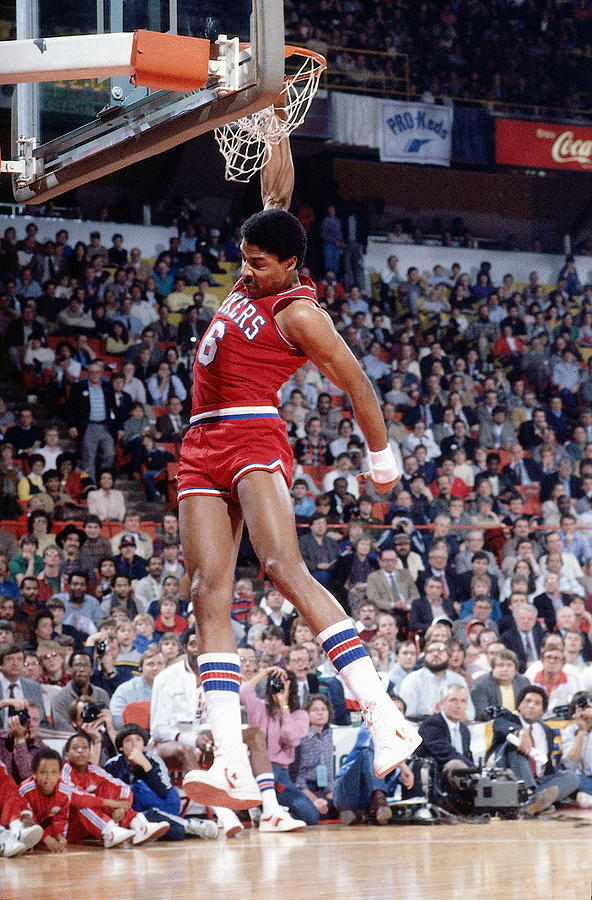
Top 100 NBA Players: #14 - Julius Erving


Julius Erving

Teams

Virginia Squires (ABA) - 1971-73

New York Nets (ABA) - 1973-76

Philadelphia 76ers - 1976-87


Playoffs

Appearances - 16 (1972,1973,1974,1975,1976,1977,1978,1979,1980,1981,1982,1983,1984,1985,1986,1987)

Conference Finals - 10 (1972,1974,1976,1977,1978,1980,1981,1982,1983,1985)

ABA/NBA Finals - 6 (1974,1976,1977,1980,1982,1983)

Championships - 3 (1974,1976,1983)


Awards and Honors

Rookie of the Year - 1972

MVP - 4 (1972,1974,1975,1976,1981)

Finals MVP - 2 (1974,1976)

All-ABA/NBA First Team - 9 (1972,1973,1974,1975,1976,1978,1980,1981,1982,1983)

All-ABA/NBA Second Team - 3 (1972,1977,1984)

Hall of Fame - 1993

*(actual in bold, deserved in italics)


All-Time Ranks

Total Points - #8

Total Steals - #8

Steals Per Game - #17

Points Per Game - #22

Total Blocks - #23

Total Rebounds - #35

Blocks Per Game - #43

Total Assists - #62


League Leads

Total Points (#1-1974,1976, #2-1973,1975, #3-1980, #5-1972,1981,1982)

Points Per Game (#1-1973,1974,1976, #2-1975, #4-1980, #5-1972,1982)

Total Steals (#2-1976, #3-1973,1974,1975)

Total Assists (#4-1974,1975, #5-1976)

Rebounds Per Game (#3-1972, #5-1973,1976)

Steals Per Game (#3-1974,1976, #4-1975)

Total Rebounds (#2-1972, #3-1976)

Total Blocks (#3-1974, #4-1975)

Blocks Per Game (#3-1974, #4-1975)

Field Goal Percentage (#4-1973)

Three-Pointers Made (#5-1976)


After playing 2 seasons of college basketball at Massachusetts and averaging 26.3 points and 20.2 rebounds per game, Julius Erving applied to be allowed to join the ABA as a hardship case, then signed as a free agent with the Virginia Squires.

Erving was the best player in the entire ABA as a rookie. He averaged 27.3 points, 15.7 rebounds, and 4.0 assists per game, but lost the Rookie of the Year and MVP awards to Artis Gilmore. He led the Squires to the Conference Finals, where they lost to Rick Barry and the Nets in 7 games, despite Erving averaging 33.3 points and 20.4 rebounds in the playoffs.

After the season, Erving discovered that his agent was a team employee who tricked him into signing for the team for less than he was worth, so he left the team to sign with the Atlanta Hawks of the NBA. At around the same time, he was drafted by the Milwaukee Bucks with the #12 pick in the NBA Draft, so both Milwaukee and Virginia disputed the validity of his contract with Atlanta, and a judge finally ruled that he would not be allowed to play for anyone but the Squires, so he returned to Virginia.

Erving averaged a career-high 31.9 points that season to lead the ABA, while also grabbing 12.2 rebounds per game. Even though he was teamed with George Gervin that year, the Squires lost in the first round of the playoffs, and Virginia sold him to the New York Nets after the season to save money.

In his first season with the Nets, Erving was named the MVP after he led the league in scoring for the second straight year with 27.4 per game while also averaging 10.7 rebounds, 5.2 assists, 2.3 steals, and 2.4 blocks. He also led the Nets all the way to the ABA Finals, where they beat the Utah Stars to win the championship, with Erving's 28.2 points and 11.4 rebounds earning him the Finals MVP.

He won the MVP in each of the next 2 seasons as well, closing out the final season of the ABA with another scoring title, his 3rd, and another championship and Finals MVP, his second of each. When the two leagues merged, the Nets appeared to be ready to contend immediately with the 3-time defending MVP on the roster, but they were forced to pay a double fee to enter the NBA because they played in the same city as the Knicks, and they couldn't afford to keep Erving, so they sold him to the 76ers in exchange for the money to pay the additional fee.

He made the All-NBA Second Team in his first season with the 76ers, averaging 21.6 points and 8.5 rebounds per game, and he led the Sixers all the way to the NBA Finals in the first year after the merger, knocking off the defending champion Celtics in the Conference Finals before falling to Bill Walton and Portland in the NBA Finals in 6 games.

He was able to take Philadelphia all the way back to the Conference Finals the next year, but without any other star teammates, he was unable to get the team any farther. As Maurice Cheeks started to grow into a star, the team started ascending again, reaching the NBA Finals in 1980 after beating Larry Bird and the Celtics in the Conference Finals, but losing to Magic, Kareem, and the Lakers in the Finals.

In 1981, Erving was named the MVP of the NBA, becoming the first and only player to win MVP in both leagues, and he did it with averages of 24.6 points and 8.0 rebounds per game. He led the 76ers back to the Conference Finals, but this time the Celtics beat them after overcoming a 3-1 deficit by winning the last 3 games by 2 points or fewer each.

In 1982 they turned the tables on the Celtics again, winning the Conference Finals in 7 games, but they met up with the Lakers in the Finals again, losing again in 6 games. After that season, the team added Moses Malone, and the pair of superstars led the 76ers to one of the most dominant seasons in history, and after sweeping the Lakers in the Finals, Erving finally had an NBA championship as well.

Erving was still a very good scorer at that point, but age was starting to catch up to him. He was able to help the Sixers to the Conference Finals once more, in 1985, and averaged over 20 points that season as well, but averaged only 18.1 and 16.8 in his final 2 seasons after exceeding 20 per game in each of his first 14 seasons. He retired at the conclusion of the 1987 season.

Erving was probably the best player in ABA history, winning 3 MVPs, 3 scoring titles, and 2 Finals MVPs in only 5 years as part of the league. His production dipped slightly in the NBA, but he still won an MVP and led his team to 3 NBA Finals before finally winning an NBA title as Moses Malone's sidekick. Erving is #8 on the all-time leaderboards for both points and steals, and is one of only 3 players in the top 100 all time in all 5 major stat categories, along with Karl Malone and Kevin Garnett, and he is definitely one of the greatest to ever play the game.


Friday, October 15, 2021

Top 100 NBA Players: #16 - Kevin Durant


Kevin Durant

Teams

Seattle SuperSonics/Oklahoma City Thunder - 2007-16

Golden State Warriors - 2016-19

Brooklyn Nets - 2019-present


Playoffs

Appearances - 10 (2010,2011,2012,2013,2014,2016,2017,2018,2019,2021)

Conference Finals - 6 (2011,2012,2014,2016,2017,2018)

NBA Finals - 4 (2012,2017,2018,2019)

Championships - 2 (2017,2018)


Awards and Honors

Rookie of the Year - 2008

MVP - 1 (2014)

Finals MVP - 2 (2017,2018)

All-NBA First Team - 6 (2010,2011,2012,2013,2014,2016,2018)

All-NBA Second Team - 3 (2010,2011,2016,2017,2019)

All-NBA Third Team - 0 (2021)

*(actual in bold, deserved in italics)


All-Time Ranks

Points Per Game - #5

Free Throw Percentage - #15

Three-Pointers Made - #27

Total Points - #31


League Leads

Total Points (#1-2010,2011,2012,2013,2014, #3-2016, #5-2009)

Points Per Game (#1-2010,2011,2012,2014, #2-2013, #3-2016)

Free Throw Percentage (#1-2013, #3-2016)

Blocks Per Game (#5-2018)

Three-Pointers Made (#3-2012)


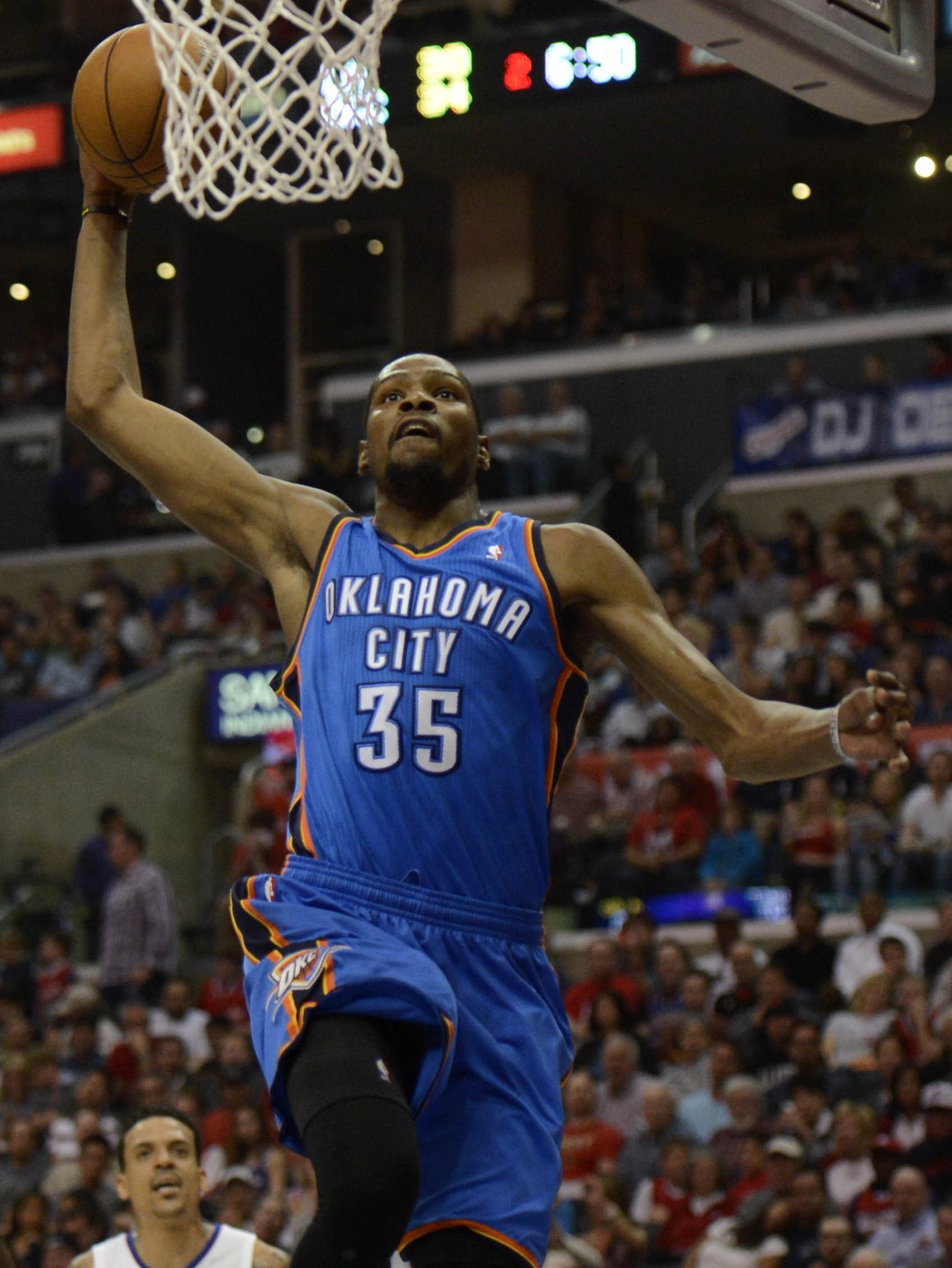
As a freshman at Texas, Kevin Durant was named the College Player of the Year, the first freshman ever to win the award, and he won it unanimously, with averages of 25.8 points and 11.1 rebounds per game, and he was selected by the Seattle SuperSonics with the #2 overall pick in the NBA Draft.

Durant was named the Rookie of the Year the following season, averaging 20.3 points per game, but the Sonics missed the playoffs in their final year before moving to Oklahoma City. Durant averaged 25.3 points and 6.5 rebounds in his first season in Oklahoma City, a nice improvement over a strong rookie year.

In his third season, Durant became the youngest scoring champ ever, at 21 years old, scoring 30.1 points per game on the season. He also added 7.6 rebounds per game and was named to the All-NBA First Team, and led the Thunder to the playoffs, though that ended in a first-round defeat.

He repeated as scoring champ the next year, and led the Thunder all the way to the Conference Finals, where they fell to the Dallas Mavericks, then followed that up with a 3rd straight scoring title and a trip to the NBA Finals. He was the leading scorer in the Finals that year, with 30.6 points per game, but the Thunder lost to Miami and LeBron James.

He came up just short of a scoring title the next year, coming in second to Carmelo Anthony, but he became the youngest player to ever join the 50-40-90 club, averaging .510 from the field, .416 from three, and a league-leading .905 from the free throw line. He led the Thunder to the top seed in the West, but after Russell Westbrook went down in the first round, Durant was unable to get the Thunder through the second round of the playoffs.

The next year he won the scoring title for the 4th time, with a career high of 32.0 per game, and also averaged 7.4 rebounds and 5.5 assists per game, leading the Thunder to 59 wins and earning himself the MVP award. In the playoffs he was able to lead the Thunder to the Conference Finals for the third time in 4 years, but San Antonio ended their run there.

Durant missed the first 17 games of the next season with an injured foot, then played for 2 weeks before injuring his ankle, missing another 2 weeks, then injured his toe after a month back, before finally being shut down for the season in February to have foot surgery. He averaged 25.4 points per game when he was on the court, but he only appeared in 27 games on the season.

At full health the next season, he bounced back with averages of 28.2 points, 8.2 rebounds, and 5.0 assists, and was able to lead the Thunder to the Conference Finals for the 4th time. The Thunder took a 3-1 lead on the 73-win Warriors in that series before dropping 3 in a row and losing just short of the Finals again.

After that season, Durant decided to join the Warriors as a free agent, and he and the team both thrived, with Durant averaging 25.1 points, a career-high 8.3 rebounds, and 4.8 assists, before Durant was forced to miss the final 19 games of the season with a bone bruise. He returned for the playoffs, and he and Stephen Curry led the Warriors to the Finals for the third year in a row, and Durant won the Finals MVP after averaging 35.2 points in the 5-game series.

The next season was more of the same. Durant put up great numbers in the regular season before missing the end of the season with a fractured rib, but he returned for the playoffs, and was dominant in leading the Warriors to the Finals again, winning his second straight Finals MVP after averaging 28.8 points, 10.8 rebounds, and 7.5 assists in a sweep of Cleveland.

Durant was healthy through the next season and put up nearly identical numbers to the year before, but in the second round of the playoffs, he strained his calf, causing him to miss the last game of the series and the entire Conference Finals. He also missed the first 4 games of the NBA Finals, returning in Game 5, where he had a solid start before tearing his Achilles early in the second quarter, ending his season and leading to Golden State losing the Finals to Toronto in 6 games.

Durant left to join the Nets in free agency that summer, and missed his entire first season with Brooklyn while recovering from his injury. He finally appeared on the court for Brooklyn last season, but missed half of the season with various injuries, though he did average 26.9 points, 7.1 rebounds, and 5.6 assists when he played. With the team's other stars injured in the playoffs, Durant was able to get the Nets to the second round before falling to the Bucks in 7 games.

Durant has lost all or most of 3 different season to injury in his career, but when he is playing, he is always one of the best players in the game. He owns 4 scoring titles and 2 Finals MVP awards, along with a regular season MVP, and he has the fifth-highest career scoring average of any player in history. He just turned 33 last month, so he should have several good years left to continue climbing up this list of the greatest players of all time.